Rip! Tear! Collage as Critique: DC CAH Exhibition
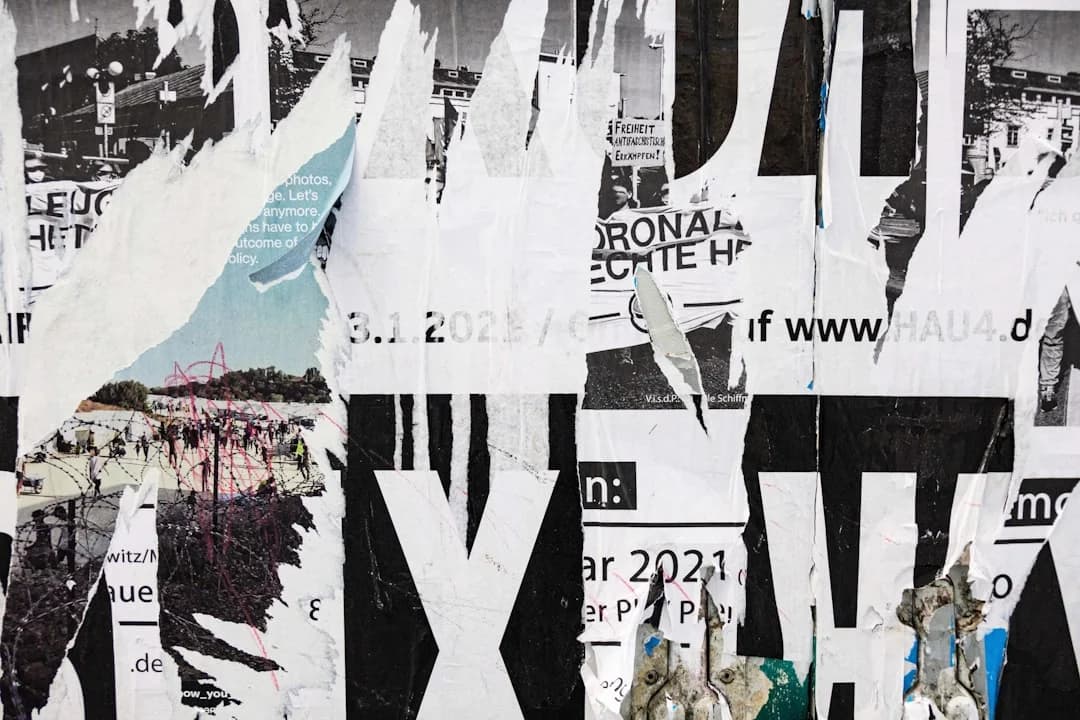
Photo by Bekky Bekks on Unsplash
The District of Columbia is hosting a timely arts exhibition that uses collage as a lens on history, memory, and public life. Rip! Tear! Collage as Critique, organized with support from the DC Commission on the Arts and Humanities (CAH), brings together 23 DC-based artists to explore how tearing, layering, and reconfiguring paper and other media can illuminate the friction points of American history and contemporary experience. The show opened to the public at Eye Street Gallery in Southeast Washington, with CAH notes highlighting the project as part of its FY 2026 Juried Exhibition Grant program. The presentation is intended to be accessible to a broad audience, with the gallery operating during standard workweek hours and a curated set of related events designed to deepen public engagement with the works on view.
This exhibition arrives at a moment when institutions across the city are emphasizing accessible, data-informed arts programming that ties creative expression to civic dialogue. Rip! Tear! Collage as Critique is not only a showcase of artistic practice but also a platform for community conversation, with events that invite participation from residents, students, and visitors who might not normally engage with contemporary collage as a serious critical method. The project’s structure—curated by Michelle May-Curry, Ph.D., and juried by Helina Metaferia, Zoe Charlton, and Teri Henderson—signals a deliberate blend of local voices and scholarly perspective designed to foster informed discussion about how art can interrogate the narratives that shape collective memory. The significance of this work is underscored by its placement within Eye Street Gallery’s CAH program, which has a track record of advancing contemporary arts in the District through curated exhibitions and public programming. As early as its opening week, the exhibition is positioned to influence how audiences think about collage as a critique and what it can reveal about the dynamic, evolving story of a city and its people.
"23 DC-based artists who use collage as a conceptual approach to reconciling the fractured stories and symbols of American history." (dcarts.dc.gov)
Section 1: What Happened
Announcement details and scope
Rip! Tear! Collage as Critique is listed as a FY 2026 Juried Exhibition Grant Exhibition, with a defined run from June 11 to August 7, 2026. The venue is Eye Street Gallery, located at 200 I St. SE, Washington, DC 20003. The CAH notice frames the exhibition as a response to current social and political divisions, positioning collage as a democratic and inclusive medium for storytelling and reconsideration of public memory. The CAH page emphasizes that the works deviate from traditional paper collage by incorporating assemblage, quilting, bricolage, video, and photomontage that challenge conventional boundaries of the genre. This broader media approach allows artists to experiment with texture, form, and narrative in ways that can be accessible to a diverse audience. Exhibition dates and venue details are published as part of the agency’s public art programming, confirming the initiative’s significance within the District’s cultural infrastructure. The catalog for Rip! Tear! Collage as Critique is also made available to the public, providing an indexed overview of the works and artists. These elements together establish a clear, data-backed timeline for the exhibition and a transparent platform for viewer engagement. The following data points are taken directly from CAH’s official release: dates, venue, scope, and the catalog link. (dcarts.dc.gov)
Artist roster and the jury process
The exhibition features 23 DC-based artists whose practices span media, technique, and conceptual approach, reflecting a city-wide network of collage-oriented practice. The participating artists include Alanna Fields, Amber Janay Cooper, Amber Robles-Gordon, Andrew Kastner, Anne Bouie, Aziza Claudia Gibson-Hunter, Connor Czora, Darlene R. Taylor, Guayarmina Fernandez, Helen Zughaib, Jarvis Grant, Joana Stillwell, Joanathan Bessaci, Leniqueca Welcome, Lex Marie, Marc Choi, Mark Kelner, Matthew Mann, Michael Janis, Paula Mans, Rebecca Perez, Tim Tate, and Zsudayka Nzinga. The roster highlights a broad spectrum of perspectives and approaches, from mixed-media assemblages to traditionally inspired collage practices, enabling a multi-faceted examination of the exhibition’s central themes. The jurors for Rip! Tear! Collage as Critique are Helina Metaferia, Zoe Charlton, and Teri Henderson, with Michelle May-Curry serving as curator. The combination of local artists and nationally engaged jurors underscores the project’s aim to balance neighborhood relevance with scholarly and curatorial depth. The artist list and the jury details are central to understanding the exhibition’s credibility and the scope of the critique being offered. (dcarts.dc.gov)
Venue, access, and public programming
Eye Street Gallery serves as the primary physical venue for the exhibition. The CAH page notes that the gallery is open to the public Monday through Friday, 9 a.m. to 5:30 p.m., providing a reliable schedule for visitors who want to experience the works in a calm, accessible setting. In addition to the core exhibition, the CAH program includes a series of related events designed to enhance public engagement with the works: an opening (or at least initial public presentation) in mid-June, a mid-July program featuring King Britt on “Layers: Multidimensional Sound as Collage,” and a closing reception on August 6. The catalog, included as a public resource, gives readers and researchers an additional anchor for scholarly engagement with the works. The event schedule demonstrates the District’s commitment to ongoing, data-informed programming around the exhibition, ensuring that audiences have multiple entry points to engage with the material. (dcarts.dc.gov)
What happened in the opening week and initial public response
Media coverage and institutional press materials indicate that Rip! Tear! Collage as Critique drew attention for its timely framing of collage as a vehicle for social commentary. Coverage highlighted that the show uses collage as a method to interrogate the layers of American history and contemporary life, including the rhetorical and visual ways those histories are produced, contested, and revised. The opening events, notably the June 11 viewing, positioned the gallery as a site of community conversation and critical reflection, aligning with CAH’s mission to support public art that informs civic life. The show’s extended run through August 7 provides ample opportunity for the public to engage with the artworks, attend related programming, and access the accompanying catalog. The presence of a catalog and public events helps readers gauge the broader impact of the show beyond a simple display of works. (bmoreart.com)
Section 2: Why It Matters
Cultural impact and democratic storytelling
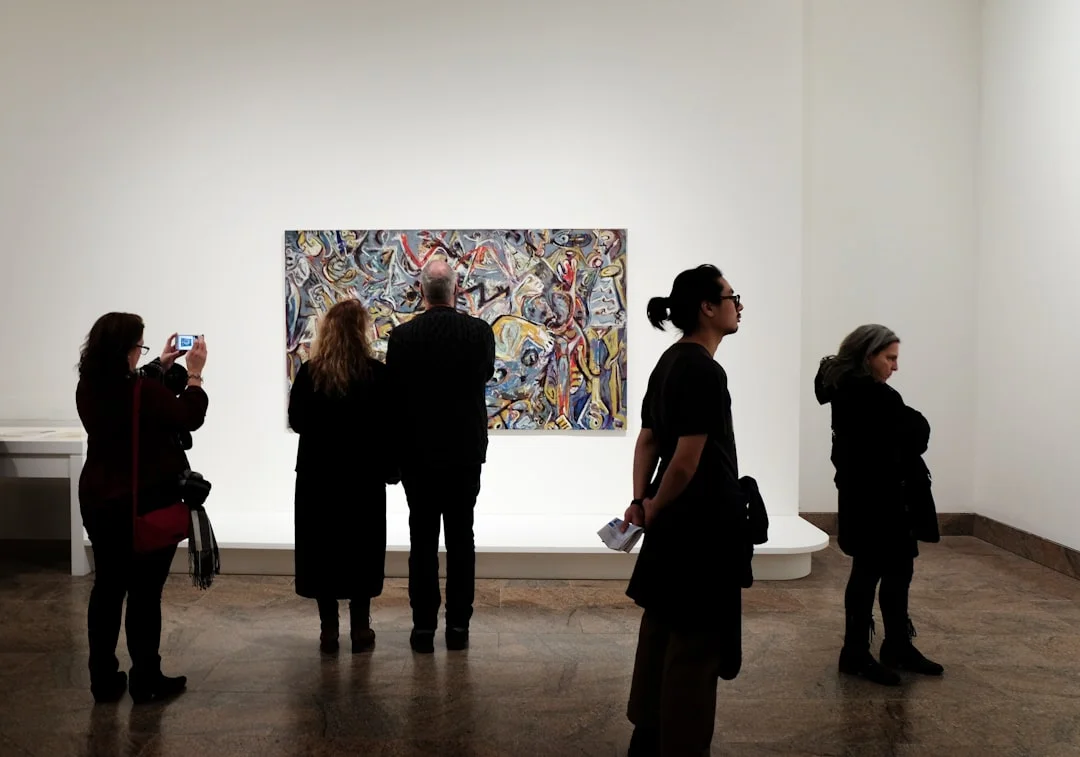
Rip! Tear! Collage as Critique foregrounds collage as a democratic practice—a medium historically accessible to many artists and audiences. By inviting 23 DC-based artists to contribute, the exhibition activates a local network of creators who navigate memory, representation, and social rupture through material reassembly. The show’s curatorial choice to center collage in this contemporary moment mirrors a broader trend in which artists use repurposed materials to critique dominant narratives and to foreground marginalized perspectives. This approach aligns with the DC arts ecosystem’s emphasis on public-facing, data-informed programming that fosters dialogue, critical reflection, and civic engagement. The inclusion of a public catalog and related events further democratizes access to scholarship and creative practice, enabling teachers, students, and community organizers to integrate the show’s themes into educational or outreach initiatives. The CAH release and related press coverage frame the exhibition as a targeted intervention in the city’s cultural conversation, with measurable metrics such as attendance, engagement at related programs, and catalog access used to assess impact. (dcarts.dc.gov)
Funding, policy, and the role of CAH
The exhibition’s designation as a FY 2026 Juried Exhibition Grant Exhibition underscores the role of CAH’s grant program in sustaining high-profile, publicly accessible contemporary art. This funding mechanism supports artists and curators who program exhibitions that encourage broad community participation and critical discourse about current issues. The explicit connection to a juried process suggests a recognition of quality and scholarly rigor, which can influence how residents and visitors interpret the works. For readers analyzing the market and policy landscape, Rip! Tear! Collage as Critique illustrates how public funding can align with artistic experimentation to produce outcomes that extend beyond galleries into schools, libraries, and community centers. The presence of a public catalog and the layered programming—such as the July 18 event with King Britt addressing the history of DJ culture as collage—demonstrates a multi-channel approach to audience development, a topic of increasing interest in arts administration and market analysis. (dcarts.dc.gov)
Artist practice, audience reach, and critical reception
The roster’s breadth—covering a wide range of media, geographies within the DC area, and generations of artists—offers a snapshot of how contemporary collage intersects with local cultural production. Several artists featured are known for works that interrogate history, race, and community identity, while others bring contemporary practices from quilting, video, or digital montage into a collage framework. This diversity points to a broader trend in which collage serves as a flexible medium for critical inquiry, open to experimentation while maintaining a link to accessible material culture. Critics and curators will likely assess the show not only on technical execution but also on the strength of ideas and the clarity with which works engage with questions of rupture, repair, and reassembly. Early reception suggests a positive trajectory for the show’s ability to spark discussion among visitors, educators, and local artists, an outcome that aligns with CAH’s public-facing goals. (dcarts.dc.gov)
Broader context: collage as a lens on history and memory
In the broader art-historical landscape, collage has long served as a tool for reinterpreting the past and interrogating the present. Rip! Tear! Collage as Critique joins a lineage of exhibitions that explore how tearing, reconfiguring, and reassembling images can reveal tensions between memory, representation, and power. The District of Columbia’s emphasis on this approach resonates with national conversations about representation, community memory, and the role of artists in shaping historical narratives. The show’s emphasis on assembling disparate sources—news images, public symbols, personal materials—reflects a methodological turn in which artists treat collage as a conceptual practice, not merely a decorative technique. For readers seeking a data-driven frame, the exhibition’s public programming, catalog accessibility, and documented roster provide concrete measures of reach, engagement, and scholarly value, helping to situate the project within both local arts economies and broader curatorial conversations about how imagery constructs public memory. (dcarts.dc.gov)
What’s Next
Upcoming events and next steps
Rip! Tear! Collage as Critique is accompanied by a schedule of events designed to deepen visitor engagement and extend the exhibition’s critical reach. A notable program is Layers: Multidimensional Sound as Collage with King Britt, a live DJ and lecture exploring how sampling and turntablism function as forms of sonic collage. This event, scheduled for July 18, 2026, from 5:00 to 6:30 p.m., will be held in the CAH Community Room at 200 I (Eye) Street SE. The event promises to connect audio culture with visual collage practices, illustrating how disparate media can be braided into a cohesive narrative about memory, identity, and cultural production. The program is part of a broader strategy to engage audiences beyond traditional gallery viewing, encouraging interdisciplinary exploration of collage as a critical method. The CAH page notes the event details and emphasizes free admission, inviting broad community participation. (dcarts.dc.gov)
Closing reception and final milestones
The exhibition culminates with a closing reception and community collage workshop on August 6, 2026, from 6:00 to 8:00 p.m. The event showcases the artists’ methods and invites participants to contribute to a collective collage experience, reinforcing the show’s democratic, participatory ethos. Exhibiting artists Helen Zughaib, Rebecca Perez, and Zsudayka Nzinga will guide hands-on activities inspired by their distinctive practices, including paper and fabric collage. This closing activity ties together the public programming arc of Rip! Tear! Collage as Critique, giving the community a formal opportunity to reflect on the works and discuss the themes raised during the run. The August 6 closing event is presented in CAH’s event calendar and is referenced in related press coverage as part of the show’s public program lineup. (dcarts.dc.gov)
Catalog and digital access
In addition to the physical exhibition, CAH has made an exhibition catalog available for download, providing a structured, searchable resource for researchers, students, and critics. Catalog access supports ongoing engagement with the works and offers a durable reference point for future scholarship and market analysis. The catalog’s presence also facilitates remote viewing and education programs, allowing classrooms, libraries, and community organizations to integrate the show’s themes into curricula and discussion forums. The availability of a catalog aligns with best practices in arts administration, enabling data-driven assessment of reach, audience demographics, and educational impact. (dcarts.dc.gov)
What’s next for DC’s collage-focused programming
As Rip! Tear! Collage as Critique unfolds through August, observers will be watching not only for visitor numbers but also for how the show contributes to ongoing conversations about public memory, historical interpretation, and the political dimensions of imagery. The collaboration between CAH, Eye Street Gallery, and the exhibiting artists demonstrates a model for how public funding can enable locally grounded, thematically rich exhibitions that also speak to national and international discussions about collage as critique. For readers interested in trends, the show serves as a case study in how a city-level arts agency can structure a program that combines a curated roster, a juried process, and a calendar of educational events to maximize cultural impact while maintaining accessibility for diverse audiences. The exhibition catalog and related programming will likely become reference points for future discussions about the role of collage in civic discourse and the market dynamics surrounding locally produced contemporary art. (dcarts.dc.gov)
Closing
Rip! Tear! Collage as Critique has positioned itself as a significant entry in DC’s summer arts calendar, combining rigorous curatorial work with community access and multidisciplinary programming. As the District continues to invest in arts and culture as a public good, this exhibition provides a concrete example of how institutions can support artists who push the boundaries of traditional media while ensuring that the public can participate in meaningful, data-informed dialogue about history, identity, and representation. For residents and visitors seeking to understand how collage can function as critique, the Eye Street Gallery show offers a robust, accessible entry point, anchored by a clear timeline, public programming, and a well-documented roster of participants. The exhibition’s emphasis on collaboration, education, and community engagement makes it a valuable reference point for discussions about how art can illuminate complex social narratives in a crowded, diverse city.
Exhibiting through August 7, 2026, Rip! Tear! Collage as Critique invites audiences to view the city through a lens that both deconstructs and reconstructs its stories. As the District’s public art program continues to evolve, this show will likely influence future curatorial decisions and public conversations about how memory, power, and community intersect in contemporary practice. For updates, readers can monitor CAH’s public calendar, the Eye Street Gallery’s schedule, and accompanying press coverage, which provide ongoing details about exhibitions, events, and scholarly resources related to Rip! Tear! Collage as Critique. The collaboration between CAH and the artists demonstrates a shared commitment to making contemporary art accessible, timely, and relevant to a broad audience in the nation’s capital. (dcarts.dc.gov)