RFK Stadium redevelopment case study DC
The RFK Stadium redevelopment case study DC unfolds on a canvas the District has long imagined as a catalyst for transformative urban renewal. After years of stalled plans and shifting political sands, the 180-acre RFK campus stands at the intersection of sports history, technological modernization, and neighborhood rebuilding. The narrative is not merely about a domed stadium or a new housing district; it is a test case for how large-scale public-private partnerships can unlock long-dormant assets, align incentives across government, the private sector, and local workers, and push a city toward a more resilient, data-driven growth model. The latest framework centers on a public-private-led redevelopment anchored by a new Commanders stadium, mixed-use housing, retail, recreation, and parks that would re-knit communities along the Anacostia River. This opening overview draws on official progress, planning documents, and independent analyses to set the stage for a rigorous, data-led investigation into what has changed, what remains uncertain, and what the RFK redevelopment case study DC means for other cities pursuing similar transformations. The core question remains: can a megadevelopment of this scale deliver durable economic return, apply rigorous governance, and ensure inclusive opportunity for local contracting—without sacrificing environmental integrity or neighborhood continuity? The numbers emerging from 2024–2026 suggest the District’s approach is moving beyond rhetoric toward measurable outcomes, even as some delays and environmental considerations remind policymakers that “big bets” require steady attention to detail. (dc.gov)
Section 1: The Challenge
Legacy constraints and the pace of change
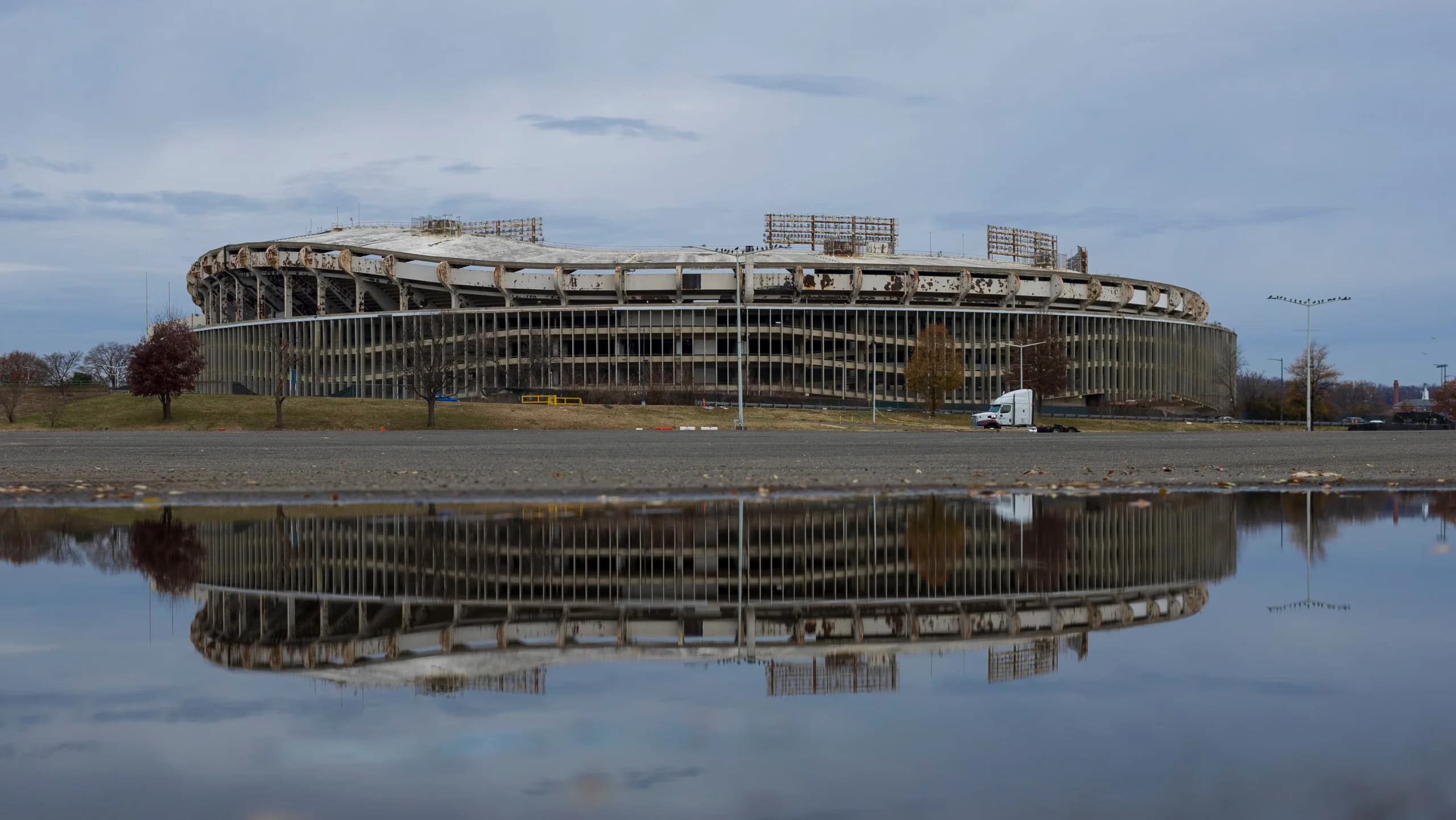
RFK’s storied past as a multi-use venue sits in tension with the realities of 21st-century urban redevelopment. The stadium itself closed in 2019, with the broader campus long underutilized, creating both opportunity and risk: opportunity to reimagine a once-bustling site as a dense, transit-accessible mixed-use district, and risk that the project’s scale would overwhelm surrounding neighborhoods or fail to deliver on promised community benefits. The redevelopment framework required reconciling historic expectations with contemporary urban design, environmental safeguards, and a financing model capable of sustaining a decades-long transformation. The master plan, now moving through formal District processes, emphasizes a cohesive vision for land uses, housing, parks, open space, and improved waterfront access along the Anacostia. The transfer of administrative jurisdiction from Congress to the District in early 2025—via Public Law 118-274 (the D.C. Robert F. Kennedy Memorial Stadium Campus Revitalization Act)—was the pivotal catalyst that unlocked the ability to pursue zoning changes, capital investments, and long-range planning that previously faced statutory obstacles. This shift is widely cited as the enabling step for the current redevelopment trajectory. (planning.dc.gov)
Financial constraints, risk, and the need for a sustainable model
A central challenge has been building a financing stack that can absorb a stadium renovation or replacement while delivering housing, retail, and public amenities without crowding out essential city services. The publicly financed portion—composed of a mix of district funds and bond-backed financing for certain infrastructure and parking facilities—must be designed to minimize long-term tax impact while maximizing job creation and tax revenue. The Washington Post summarized the cost structure in early 2025, noting a multi-billion-dollar package with substantial private participation from the Commanders organization and public contributions from the District and associated authorities. The article highlighted that taxpayers would be balancing a sizable share of infrastructure and parking costs, even as private capital underwrites the core stadium development. This framing emphasizes a classic public-private partnership dynamic: the need to attract private capital to deliver a complex, multi-use campus while ensuring accountability, transparency, and benefits for District residents. The publicly stated figures around the time of final legislative action indicate a total package in the vicinity of several billions, with the private component forming the dominant share. (washingtonpost.com)
Environmental, community, and equity considerations
Environmental safeguards and community impact have been in focus throughout the RFK redevelopment conversation. The plant-heavy nature of stadium construction, coupled with large-scale demolition activities for the old RFK footprint, raises questions about air quality management, noise, and dust suppression. Reports and local coverage note careful demolition practices and the preference for controlled dismantling over explosive implosion, underscoring environmental stewardship as a non-negotiable element of the project. Equally important is determining how benefits—including job opportunities, affordable housing components, and access to parks and recreation—will be distributed across wards, with a particular emphasis on ensuring that local minority-owned and small businesses gain meaningful access to procurement opportunities. An ongoing set of public discussions around heritage trees also illustrates the tension between preservation and redevelopment, highlighting the District’s attempt to balance environmental assets with the scale of the planned project. (washingtonpost.com)
Section 2: The Solution
Public-private partnership framework and legislative enablement
The RFK Redevelopment Master Plan process rests on a deliberate blend of public vision and private execution. The 2025 legislative act that transferred control of the RFK campus to the District is widely cited as the hinge that unlocked redevelopment readiness, enabling zoning adjustments, land-use planning, and developer engagement at scale. The Commanders’ involvement—announced in 2024–2025 as part of a multi-year governance and investment package—establishes a core private partner responsible for a domed stadium and associated funding. In parallel, the District and related authorities are responsible for aligning public infrastructure investments, utility upgrades, road improvements, and parking facilities to support the new campus. This alliance illustrates a sophisticated, pro-growth governance model that seeks to align incentives, streamline permitting, and accelerate project timelines. Public communications from city leadership throughout 2025 and 2026 emphasize the intent to maximize local economic opportunities, including contracting, workforce development, and small business participation. For example, a February 2026 city release explicitly urged local firms to become Certified Business Enterprises (CBEs) to access RFK-related contracting, signaling a structured, ongoing approach to inclusive procurement. (planning.dc.gov)
Master planning, zoning, and design guidelines
The RFK Redevelopment Master Plan outlines a path for land use, zoning, and district-level development guidelines that will govern the stadium, housing, retail, and open space components. Planning documents emphasize a waterfront-anchored, walkable, transit-oriented district with a mix of housing types, parks, and recreation facilities that integrate with surrounding neighborhoods. Importantly, the Master Plan signals an iterative, community-engaged process that will adapt over time based on implementation milestones, market conditions, and regulatory approvals. This planning stage is critical; it ensures that development logic remains coherent across districts within the 180-acre campus and that the stadium’s footprint and adjacent uses are harmonized with neighborhood scales and street networks. The plan’s emphasis on parks, open space, and enhanced riverfront access aims to deliver both climate resilience and quality-of-life improvements for residents and visitors alike. (planning.dc.gov)
Stadium design and schedule alignment
A core element of the solution is a new stadium that can operate year-round, enabling events-driven activity beyond football season and catalyzing non-sport uses across the campus. The public-private deal framework envisions a domed structure that can host sports, concerts, exhibitions, and other events, maximizing utilization and generating ancillary economic activity. The schedule, however, must contend with permitting, environmental review, and community engagement processes, alongside the demolition of the old RFK facilities. The Washington Post report and subsequent updates indicate a targeted opening year around 2030 for the new stadium, with construction and related work designed to proceed in a manner that minimizes disruption to surrounding neighborhoods while still achieving scale. This timeline is not guaranteed; it continues to be refined as zoning, infrastructure, and design decisions mature. The public-private financing arrangement is designed to align risk and return across the lifecycle of the campus, with private capital underwriting the stadium and core facilities, and public funds supporting essential infrastructure and community amenities. (washingtonpost.com)
Local contracting and opportunity via CBEs
A central component of the solution is a concrete plan to channel RFK-related opportunities to District-based businesses, particularly CBEs. The February 2026 announcement from the Mayor’s office and partner agencies underscores a proactive effort to certify local businesses for Enterprise status, positioning them to compete for a broad spectrum of RFK-related contracts—from construction to professional services, hospitality, and operations. The rationale is straightforward: to ensure that the redevelopment benefits are not merely macroeconomic gains but tangible, well-paying jobs and business growth for District residents and firms. The emphasis on CBEs aligns with a broader municipal strategy to diversify procurement, provide workforce development, and promote inclusive growth across eight wards. This component of the plan is ongoing and will be visible in subsequent procurement rounds, bid opportunities, and contract awards over the coming years. It also acts as a check against concentration of benefit among a few large firms, a concern often raised in large-scale urban redevelopment projects. The CBE program has a long history in the Bowser administration and continues to be marketed as a core mechanism for local accountability and community impact. (mayor.dc.gov)
Section 3: The Results
Investment scale and funding breakdown
The RFK redevelopment package is widely described as a multi-billion-dollar endeavor, with a sizable private contribution from the Washington Commanders and a substantial but smaller public portion supported by the District and related authorities. The District’s commitment includes up to $500 million for stadium-related horizontal and non-vertical costs, complemented by financing tools such as a $175 million revenue bond to support parking infrastructure and up to $181 million from Events DC toward ancillary facilities. A comprehensive accounting of these public commitments shows a total public contribution in the range of roughly $676–856 million, depending on the treatment of the parking financing and debt assumptions cited in different sources. The full package, including the private stadium investment and associated development, has been reported as approximately $2.7 billion from the Commanders and far larger when the surrounding mixed-use components are included. A final tally widely referenced in 2025–2026 coverage places the private component at approximately $2.7 billion, with the public portion accounting for the remainder of the near-$4–4.5 billion scope that many observers described in legislative briefings and media summaries. This mix is central to the project’s ability to deliver a stadium, housing, and other amenities while maintaining fiscal accountability. (dc.gov)
Job creation, economic impact, and tax revenue
The District’s official projections framed the redevelopment as a major jobs engine: an estimated 14,000 construction-related jobs during the stadium build, plus approximately 2,000 permanent positions tied to stadium operations and the surrounding mixed-use ecosystem. In addition to employment, the plan anticipates substantial tax revenue generation—on the order of several billions over the life of the project—and direct spending on the order of tens of billions over a multi-decade horizon. The District’s numbers are echoed in independent coverage that highlights the expected economic ripple, including workforce development programs, local procurement, and opportunities for minority-owned and small businesses through the CBE framework. While later reporting has noted delays and renegotiations around neighborhood-scale components, the core expectation of a robust jobs and tax revenue impact remains a central public narrative around RFK redevelopment. The 180-acre campus, once a symbol of underutilization, is positioned to become a long-term engine of local economic activity, even as the precise mix and timing of projects continue to evolve. (dc.gov)
Construction milestones, demolition, and project sequencing
Demolition of the derelict RFK footprint began in mid-2025 and is proceeding with a controlled, non-explosive approach designed to minimize dust and environmental disruption. The demolition is expected to continue through fall 2026, in parallel with planning and design work for the new stadium and the broader campus. This sequencing—deconstruction of the old site, followed by accelerated construction of the new stadium and surrounding development—reflects a meticulous approach to risk management and environmental stewardship that the District has emphasized in public communications. The demolition milestone marks a concrete, visible shift from the old RFK landscape to a new, multi-use urban district, signaling to stakeholders that the redevelopment is transitioning from planning to execution. As the project progresses, the timing of the surrounding housing, parks, and retail components will be calibrated to market realities, permitting timelines, and the pace of private investment. (washingtonpost.com)
Timeline alignment and regulatory progress
A critical regulatory milestone occurred in January 2025 when Congress enacted the RFK Campus Revitalization Act (Public Law 118-274), transferring administrative jurisdiction to the District. This act is repeatedly cited as the enabling framework for the District to plan and implement a comprehensive redevelopment that includes a new stadium, housing, and mixed-use facilities. Subsequent approvals by the D.C. Council in 2025 and early 2026 confirmed political support and clarified the path forward, though some elements—most notably the timelines for neighborhood-scale components—have faced delays due to zoning and design considerations. Axios reported a notable delay in the surrounding neighborhood development beyond 2030, a reminder that large-scale urban projects depend on an intricate alignment of zoning, infrastructure, and market conditions. The project’s sequencing thus remains dynamic, with core stadium-related work prioritized while peripheral components mature in parallel. (planning.dc.gov)
Demographics, equity, and local contractor procurement outcomes
As the RFK redevelopment unfolds, the District’s push to maximize local economic benefits—especially through the Certified Business Enterprise program—is a measurable output of the governance framework. The 2026 contracting push aims to connect more District-based firms with RFK-related opportunities, a move designed to ensure that the magnitude of the redevelopment translates into tangible gains for local workers and small businesses. While the full procurement outcomes will only be measurable over time, the early signals—public statements, bid notices, and pre-qualification opportunities—indicate a deliberate emphasis on inclusivity and local capacity-building. The broader implication is that the redevelopment is being designed not only to deliver a stadium and new buildings but also to catalyze a sustained, locally rooted supply chain. (mayor.dc.gov)
Section 4: Key Learnings
What worked well
-
Clear, high-visibility leadership and legislative enablement: The shifting of RFK campus control to the District in early 2025 created a coherent governance framework capable of guiding financing, zoning, and development at scale. The public-private partnership model, anchored by the Commanders’ private investment, demonstrates how political alignment paired with private capital can unlock complex urban redevelopment. The approach signals to other cities how targeted legislative actions can remove long-standing barriers to large-scale projects that can deliver multiple uses on a single site. The District’s willingness to embed a local contracting framework from the outset is a core strength, providing a pathway for local businesses to participate meaningfully in the project. (planning.dc.gov)
-
Planning that integrates parks, water access, and transit: The Master Plan’s emphasis on waterfront improvements, open space, and transit-oriented design aligns with modern urban planning best practices. By explicitly linking stadium activity to surrounding parks and recreation facilities, the project increases the likelihood of a broad-based appeal that extends beyond sports fans to families, commuters, and visitors seeking a holistic urban experience. These features are essential for long-run neighborhood vitality and environmental resilience, which are vital for community acceptance and sustainable growth. (planning.dc.gov)
What didn’t go as smoothly
-
Neighborhood-scale timetables and zoning: The Axios report on delays past 2030 for the Plaza District and other neighborhood components highlights the risk that even well-conceived plans can be slowed by zoning and regulatory sequencing. This reality underscores the importance of agile permitting processes, robust stakeholder engagement, and a staged, transparent communication plan to manage expectations. Delays in non-stadium elements can affect the overall capital stack, financing sufficiency, and local job opportunities, necessitating contingency planning and adaptive project management. (axios.com)
-
Environmental and heritage considerations: The heritage trees debate illustrates the tension between ambitious redevelopment and environmental stewardship. The potential removal of protected trees requires careful mitigation planning and community dialogue to balance long-term ecological value with development objectives. This dynamic confirms that even high-profile projects must treat environmental governance as a core, non-negotiable discipline rather than a side concern. (wtop.com)
Recommendations for practitioners and policymakers
-
Structure incentives around measurable local benefits: The RFK redevelopment case study DC demonstrates how tying private investment to local contracting commitments (CBEs) and workforce development can yield a more inclusive economic footprint. Governments seeking to replicate this model should embed explicit, auditable metrics for local procurement, job creation, and training, with regular public reporting to preserve accountability. (mayor.dc.gov)
-
Align planning milestones with finance contingencies: The sequencing observed at RFK—demolition, stadium construction, and phasing of surrounding components—highlights the need for financing arrangements that can weather schedule shifts. Public-private agreements should include fallback scenarios and staged financing that remains robust under regulatory delays or market fluctuations. (washingtonpost.com)
-
Maintain transparent, proactive community engagement: Large-scale redevelopment requires sustained community dialogue to maintain legitimacy, align expectations, and secure broad-based support. As RFK moves through design refinements and permit reviews, ongoing engagement with neighbors, business associations, and environmental groups remains essential to minimize conflicts and accelerate approvals. (planning.dc.gov)
Closing
The RFK Stadium redevelopment case study DC is more than a plan for a new stadium and mixed-use district; it is a testbed for how modern cities can translate public ambition into measurable, inclusive outcomes. The 2025 transfer of control to the District, the Commanders’ substantial private investment, and the ambitious 180-acre redevelopment vision collectively signal a pivot from rhetoric to execution. While the timeline for the neighborhood components has faced status shifts and zoning challenges, the core stadium project—the linchpin of this transformation—appears to remain on track for a future-proofed, year-round venue that could redefine regional sports and entertainment economics. The District’s emphasis on local contracting and workforce development positions RFK not just as a stadium project, but as a catalyst for local business growth, municipal capability, and urban resilience. If executed with rigorous governance, sustained community engagement, and disciplined project management, RFK can deliver the sorts of public-private synergies that more cities only aspire to—while teaching valuable lessons in transparency, accountability, and the mechanics of large-scale urban redevelopment. The coming years will reveal how well these plans translate into tangible improvements for residents and long-term economic vitality for the District.
As demolition proceeds and design details mature, the RFK redevelopment case study DC offers a rare, data-guided lens on what it takes to convert a storied site into a living, thriving district. The city’s progress—grounded in numbers, timelines, and explicit commitments to local businesses—will be watched closely by policymakers, economists, urban planners, and communities across the country who are charting their own paths toward inclusive, high-impact redevelopment. The journey from RFK’s last game to a reimagined campus is far from over, but the directions now charted suggest a disciplined, outcomes-focused approach that could yield lessons well beyond Washington, DC.