Restaurant & Retail Stabilization Grant 2026

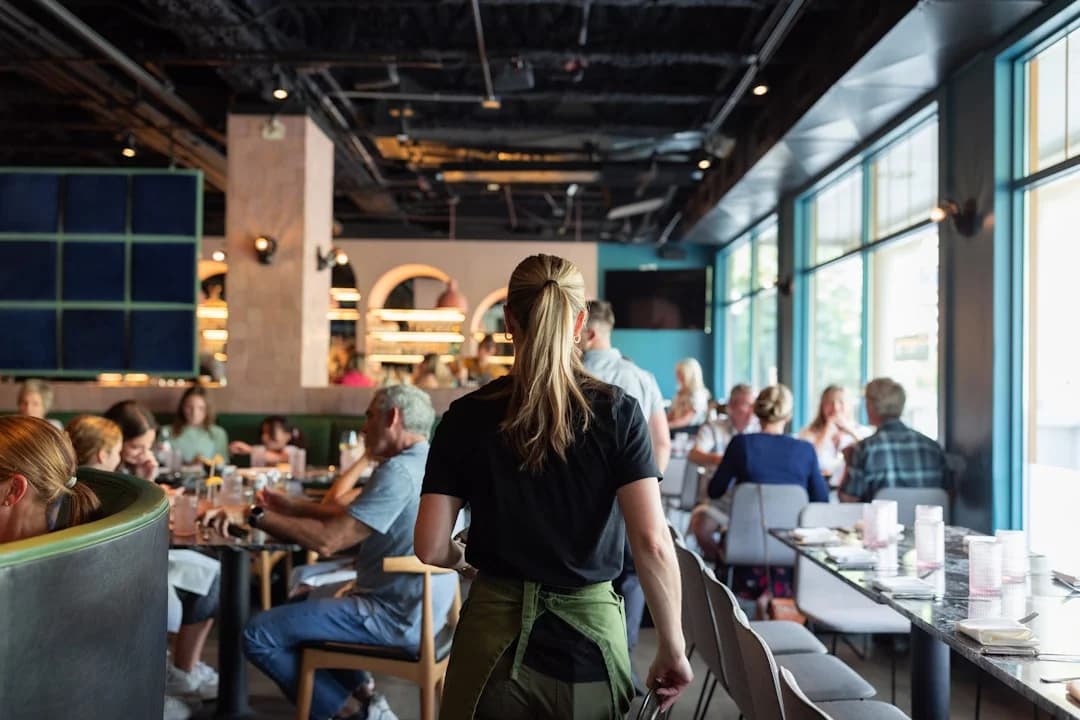
Photo by Negley Stockman on Unsplash
Washington, DC, is moving quickly to shore up its brick-and-mortar restaurants and retailers with a new funding program designed to stabilize operations after a challenging 2025. On May 5, 2026, Mayor Muriel Bowser announced the launch of the Restaurant & Retail Stabilization Grant 2026, a $3.875 million initiative aimed at helping local establishments weather revenue declines and maintain a foothold in their communities. The grant is funded by the District’s Office of the Deputy Mayor for Planning and Economic Development (DMPED) and administered by Capital Impact Partners (CIP), a local nonprofit community development financial institution. The announcement underscores the city’s focus on preserving neighborhood business ecosystems that support jobs, local procurement, and vibrant commercial corridors. “DC’s restaurants and retailers create jobs, build community, and keep our neighborhoods vibrant,” Bowser said, highlighting the grant’s role in sustaining the city’s economic backbone. (dmped.dc.gov)
The Restaurant & Retail Stabilization Grant 2026 provides targeted relief to brick-and-mortar businesses that experienced revenue declines in 2025, with a preference for those hit hardest. The program allocates grants of up to $50,000 per eligible business, with the total fund amount set at up to $3,875,000. Grants are earmarked for occupancies costs—such as mortgage, rent, utilities, insurance, CAM—as well as payroll costs incurred between January 1, 2026 and December 31, 2026. Applications opened on May 5, 2026, and the window closes at 11:59 PM EDT on June 5, 2026, with funding anticipated in the third quarter of 2026 and a grant period of six months after funds are received. The program’s design emphasizes not only financial support but also accompanying technical assistance to bolster long-term resilience. “Grant funds can be used to support occupancy costs (mortgage, rent, utilities, insurance, maintenance) and payroll costs incurred between January 1, 2026 and December 31, 2026,” the program materials note, clarifying how dollars can be used to stabilize daily operations. (dmped.dc.gov)
As part of its outreach, the Bowser administration has scheduled informational webinars and in-person office hours to help applicants navigate the process. The one-pager and official portal outline informational sessions on May 13, May 20, and May 28, with in-person sessions at the Martin Luther King Jr. Memorial Library and virtual options for remote participation. Applicants can learn more and apply through CIP’s Nourish DC portal, with a structured scoring rubric that weighs decline in revenue (30%), completeness (20%), local economic impact (5%), and other factors. The program’s transparency and structured process align with the District’s broader economic development efforts, which include parallel initiatives such as the Robust Retail Grant program administered by the Department of Small and Local Business Development (DSLBD). (mayor.dc.gov)
What follows is a detailed newsroom-style briefing on the Restaurant & Retail Stabilization Grant 2026, focused on what happened, why it matters, and what’s next for DC businesses and the broader local economy.
What Happened
Program Overview and Funding
The Restaurant & Retail Stabilization Grant 2026 represents a deliberate, data-informed response to a difficult year for DC’s independent, brick-and-mortar eateries and retail shops. The program pools up to $3,875,000 to support eligible businesses with individual grants of up to $50,000. The fund is specifically designed to address occupancy costs and payroll expenses incurred during the first and last months of 2026, spanning January 1, 2026, through December 31, 2026. The plan calls for grant funds to be disbursed in the third quarter of 2026, with the grant period running six months after funding is received. This structure aims to stabilize cash flow quickly while giving recipients time to implement operational improvements. The fund’s total size and per-business cap were confirmed in the official Mayor Bowser materials and the CIP-administered application guidelines. (dmped.dc.gov)
In practice, the program’s design places a premium on purchases from the local economy, ownership by independent operators, and the elimination of conflicts with larger chain funding patterns. The Governor’s and Mayor’s communications emphasize that these are neighborhood-focused grants intended to prevent closures and support jobs in corridors that have struggled since 2025. The Mayor’s press materials also note that the grant is paired with technical assistance to help businesses strengthen resilience beyond a single funding cycle. The official PDF and the Submittable guidelines lay out the precise eligibility criteria, including revenue ranges, establishment dates, and the District-based location requirement. (mayor.dc.gov)
Launch Timeline and Key Dates
The timing of the Restaurant & Retail Stabilization Grant 2026 is anchored by a clearly defined schedule. The formal launch occurred on May 5, 2026, a day when DC’s leadership publicly unveiled the program, with subsequent information sessions and application windows following in the weeks that ensued. The application window remains open only for a finite period—May 5, 2026 to June 5, 2026 at 11:59 PM EDT—after which applicants are assessed under a scoring rubric. The CIP Submittable page details the sequential milestones: application opening, closing, applicant notification by August 31, 2026, and grant funding by the third quarter of 2026. The schedule reflects a disciplined approach to rapid deployment of aid while allowing for careful screening of eligible businesses. The District’s publicly accessible materials also highlight that grant funds are expected to arrive in the third quarter of 2026, with the grant period spanning six months after funding. (dmped.dc.gov)
The official one-pager adds precision to the timeline: it confirms application opens on May 5, 2026, closes on June 5, 2026 at 11:59 PM, and notes that grant funds will be received in the third quarter of 2026, with the six-month grant period commencing thereafter. It also specifies the maximum grant per business and the precise eligible uses, reinforcing the program’s targeted approach. The page further communicates the emphasis on supporting brick-and-mortar operations and the availability of informational webinars to help applicants navigate the process. (mayor.dc.gov)
Administrative Partners and Eligibility
Administration of the Restaurant & Retail Stabilization Grant 2026 rests with CIP, a longtime partner in DC’s local development ecosystem. CIP’s involvement signals a rigorous, performance-based approach to grant administration, with a structured intake, scoring, and reporting framework. The CIP submission portal outlines both the eligibility criteria and the procedural steps, including documentation requirements and final reporting expectations. The key eligibility filters include being a for-profit restaurant or retail business with a brick-and-mortar presence, establishment before June 1, 2024, a DC location, and an annual gross revenue between $100,000 and $5,000,000 in the 2023–2025 window. The business must demonstrate revenue decline in 2025, and there are additional conditions on ownership and franchise status to ensure the funds reach independently operated local enterprises. The portal also highlights required documents for the grant application and for finalists, along with the community-facing webinars designed to boost access. (mayor.dc.gov)
In parallel, the District’s broader ecosystem includes related programs like the Robust Retail Grant, administered by the DSLBD, which targets DC-based retailers with smaller awards (up to $10,000 per business, totaling around $500,000). While distinct from the Restaurant & Retail Stabilization Grant 2026, the Robust Retail program provides additional context for DC’s multi-pronged approach to stabilizing local commerce in 2026. The DSLBD pages outline the FY26 funding and eligibility criteria for robust retail initiatives, illustrating how the city is layering supports across different sectors and scales. (dslbd.dc.gov)
Why It Matters
Economic Impact on Neighborhoods and Local Jobs
The Restaurant & Retail Stabilization Grant 2026 is framed as a catalyst for preserving neighborhood vitality. By supporting occupancy costs and payroll during the 2026 calendar year, the program aims to reduce the risk of closures in districts where small, independently owned restaurants and storefronts anchor pedestrian traffic and local employment. The mayor’s office emphasizes the social and economic benefits of sustaining these businesses—jobs for residents, sustained customer footfall along commercial corridors, and continued critical linkages to local suppliers and the broader ecosystem. In the District’s view, the grant is not merely a subsidy; it is a strategic investment in the stability of neighborhood commerce and the resilience of the local economy in the wake of declines experienced in 2025. The official release highlights the importance of keeping “neighborhood shops and restaurants open, resilient, and ready for the future” as a core objective. (dmped.dc.gov)
The program design also acknowledges the dual goals of immediate relief and longer-term resilience. With grants ranging up to $50,000 per location, the allocation is intended to stabilize cash flow sufficiently to weather ongoing operating challenges while allowing for capacity-building and potential investments in efficiency, training, and supplier diversification. The inclusion of technical assistance paired with financial support reflects a data-driven approach to ensure that funding translates into durable improvements rather than short-term liquidity only. The publicly available materials frame this as a comprehensive strategy to protect jobs, maintain storefronts, and support the city’s strategic corridors. (mayor.dc.gov)
Impacts on Small Businesses and Economic Resilience
For small business owners, the Restaurant & Retail Stabilization Grant 2026 represents a formal, city-backed mechanism to offset core operating costs during a period of economic adjustment. The program’s eligibility criteria—revenue thresholds, brick-and-mortar status, and a demonstrated revenue decline in 2025—are intentionally calibrated to prioritize establishments that were most impacted by the prior year’s downturn. This targeting helps ensure that the funds reach the businesses most at risk of closure or significant disruption, thereby preserving local employment and community access to goods and services. The grant’s focus on occupancy costs and payroll aligns with the most immediate expenses that determine whether a restaurant or retail shop can continue to operate while navigating rising costs, labor market tightness, and shifting consumer patterns. (mayor.dc.gov)
The program’s emphasis on local purchasing and independent ownership is particularly salient in the District’s ongoing economic development strategy. By privileging businesses that buy locally and operate independently, the city aims to reinforce local supply chains and distribute economic gains within DC’s neighborhoods. The program’s outreach plan—including webinars and on-site office hours—helps ensure that smaller operators, which may lack substantial geographic or industry networks, have access to information and support needed to complete applications. This approach is consistent with the District’s larger mission to expand opportunity for small businesses and underrepresented entrepreneurs while building capacity for long-term success. (mayor.dc.gov)
Policy Context and Related Initiatives
The Restaurant & Retail Stabilization Grant 2026 sits within a broader constellation of DC policy and funding programs designed to stabilize and grow local commerce. The District has historically used targeted grants to support main street corridors, anticipate employment impacts, and stimulate local procurement. The presence of parallel programs like the Robust Retail Grant—while distinct in scope and funding—illustrates a multi-tool approach to economic stabilization in 2026. Taken together, these initiatives demonstrate a consistent policy objective: sustain independent, locally owned businesses that contribute to job creation, municipal tax revenue, and community vitality. The DSLBD’s FY26 robust retail NOFA and final RFA offer a complementary lens on how DC funds a range of retail-related activities, from storefront improvement to operational support, which enhances the resilience of local economies across wards. (dslbd.dc.gov)
The grant also aligns with District data and planning commitments to support small businesses as part of a broader economic recovery and growth trajectory. The DMPED portfolio includes a suite of initiatives to catalyze neighborhood development, create jobs, and promote equitable access to opportunity. The Restaurant & Retail Stabilization Grant’s focus on revenue decline in 2025 references a year that was clearly challenging for many local operators, and the program’s design seeks to mitigate the long-tail effects of that downturn while supporting a sustainable recovery path. This context reinforces the relevance of the grant not only for individual businesses but for the cohesion of DC’s commercial districts and the neighborhoods that rely on them. (dmped.dc.gov)
What’s Next
Application Window and Selection Process
With applications open from May 5, 2026, to June 5, 2026, 11:59 PM EDT, DC-based restaurants and retail businesses have a defined window to submit documentation and demonstrate revenue decline in 2025. The Submittable portal includes a scoring rubric that weighs several criteria, including demonstrated loss (30%), completeness (20%), local economic impact (5%), and other factors such as prior DMPED funding and community benefits. Applicants are advised to prepare a robust package that includes W-9 forms, licenses, lease or deed, corporate documents, profit and loss statements for 2023–2025, and relevant tax returns. The scoring framework and document requirements are designed to balance speed with due diligence, ensuring that the funds reach credible and compliant businesses. The program’s official materials also indicate the intention to notify applicants by August 31, 2026, with awards distributed by the third quarter of 2026. (capitalimpact.submittable.com)
In addition to the formal application, the district is offering multiple informational channels, including three webinars and in-person office hours, to help applicants prepare. The combination of online and in-person support is intended to reduce barriers for smaller operators who may lack robust administrative capacity. The informational materials emphasize practical guidance on documentation, eligibility, and best practices for structuring grant requests to maximize the likelihood of approval. This collaborative approach—public information sessions paired with accessible submission platforms—reflects a broader commitment to equitable access and transparent processes in DC’s grant-making landscape. (mayor.dc.gov)
Monitoring, Reporting, and Accountability
Once awarded, grantees are required to use funds for eligible costs within a defined period and to participate in monitoring and reporting to track impact and compliance. CIP’s grant administration framework includes interim and final reporting, with detailed requirements on expenditures, payroll, and supporting documentation. The reporting structure is designed to capture tangible outcomes such as employment levels, supplier relationships, product development, and revenue changes attributable to grant-supported activities. This accountability framework ensures that the Restaurant & Retail Stabilization Grant 2026 not only stabilizes cash flow but also yields measurable improvements in business resilience and local economic performance. The program’s reporting timelines and metrics are documented in CIP’s Submittable guidelines, aligning with the District’s emphasis on accountable, data-driven investment. (capitalimpact.submittable.com)
What to Watch For
As the third quarter of 2026 unfolds, observers should monitor several indicators that will help gauge the program’s effectiveness. First, the number of applicants and the distribution of grants across wards can reveal whether the program is reaching a broad set of neighborhoods and mitigating critical vulnerability in high-traffic commercial corridors. Second, the 2026 grant period’s six-month window will test whether the funding accelerates operational stabilization and prepares businesses for a post-grant phase, including potential expansions, new hires, or diversification of suppliers. Third, post-grant reporting will shed light on whether the funds contributed to revenue stabilization, job retention, and the broader local economy, offering a data-backed view of how narrowly targeted subsidies translate into real-world gains for DC’s small businesses. The District’s ongoing ensemble of programs—RRSG, Robust Retail, and Great Streets initiatives—will offer a broader view of whether these combined efforts lead to durable employment and growth in DC’s commercial districts. (dmped.dc.gov)
Real-World Implications for DC Businesses
For a district that relies on neighborhood anchors to drive foot traffic and sustain a diverse retail ecosystem, the Restaurant & Retail Stabilization Grant 2026 can be a turning point for many operators facing a fragile business climate. A typical recipient might be a mid-sized restaurant that owns a brick-and-mortar property, has experienced a revenue dip in 2025, and is balancing high occupancy costs with labor pressure. An award of up to $50,000 could cover several months of rent and utilities while retaining key kitchen or front-of-house staff, enabling the business to keep its doors open and maintain customer relationships. In the retail segment, a boutique or specialty shop might deploy the funds to cover CAM charges or payroll during a critical season, ensuring inventory replenishment and customer service levels that preserve market position. By combining grants with technical assistance—such as financial planning, marketing optimization, and supplier diversification—DC is aiming to create a multiplier effect: stabilizing individual businesses and reinforcing the health of entire commercial corridors. (mayor.dc.gov)
The long-term outlook depends on multiple factors, including consumer confidence, macroeconomic conditions, and the pace at which businesses can translate stabilized operations into sustained growth. The Restaurant & Retail Stabilization Grant 2026 is one piece of a larger policy framework designed to support small businesses as a linchpin of local economies. As DC continues to monitor the outcomes of the grant cycle, policymakers and business owners alike will be looking for signs of durable impact—employee retention, renewed customer engagement, and improved supplier networks—that extend beyond the grant period. The city’s emphasis on transparency, data-driven decision-making, and targeted assistance will be tested by 2027 outcomes, but initial signals suggest a structured, highly focused approach to stabilizing critical services and preserving neighborhood character. (dmped.dc.gov)
Closing
The Restaurant & Retail Stabilization Grant 2026 marks a deliberate, data-informed effort by Washington, DC, to protect small, independent businesses that form the beating heart of local neighborhoods. By providing grants of up to $50,000, with clear eligibility criteria and a defined application window, the program aims to deliver timely relief while embedding supportive technical assistance to strengthen long-term resilience. As DC monitors application outcomes and the subsequent performance of grant recipients, the city’s experience will likely inform future policy design, including how to optimize funding amounts, timing, and support services to maximize impact in subsequent years. For business owners, the message is practical and urgent: review eligibility, prepare the required documentation, and leverage the informational sessions to navigate the process and position your business for stability in 2026 and beyond. Applicants and interested observers can continue to follow official updates from DMPED and CIP for the latest guidance, deadlines, and opportunities related to the Restaurant & Retail Stabilization Grant 2026. (dmped.dc.gov)
As DC’s economic landscape evolves through 2026, the Restaurant & Retail Stabilization Grant 2026 stands as a clear signal that the District intends to protect and advance its small-business fabric. With a well-defined funding path, a transparent eligibility framework, and a robust outreach plan, the program is positioned to deliver timely relief and catalyze longer-term improvements in operational resilience. Readers who want to stay informed should watch for the August 31, 2026 notification timeline and the third-quarter funding release, as well as the ongoing rollout of related programs across the DSLBD and CIP portfolios. In the weeks ahead, the District’s commitment to data-driven policymaking, measured by outcomes, will become increasingly visible as grant recipients report results and DC’s neighborhoods respond to renewed momentum in 2026. (capitalimpact.submittable.com)
If you’re a DC business owner seeking to understand the Restaurant & Retail Stabilization Grant 2026 in plain terms, remember: you must meet basic eligibility, demonstrate a revenue decline in 2025, and prepare documentation that documents prior years’ performance. The process includes a 30% weight on demonstrated loss, a 20% weight on completeness, and a 5% weight on local economic impact, with additional considerations for prior funding and community benefits. The informational webinars and office hours are valuable resources that can help you assemble a compelling application package. For the latest updates and to access the application portal, visit the Nourish DC page hosted by Capital Impact Partners and attended informational sessions as scheduled in May 2026. (capitalimpact.submittable.com)
In short, the Restaurant & Retail Stabilization Grant 2026 is the District’s focused, data-backed effort to preserve and empower DC’s small business core in a year marked by economic headwinds. As each grant decision unfolds and outcomes begin to materialize, District leaders and business owners alike will be watching closely to understand how this program reshapes local commerce and what it means for DC’s neighborhoods over the coming years. The city’s approach—clear objectives, transparent criteria, and a strong emphasis on accountability—sets a high bar for similar initiatives in other urban economies, and it will be worth watching how the Restaurant & Retail Stabilization Grant 2026 informs future rounds of support for small businesses across the nation. (dmped.dc.gov)