Potomac Sewage Spill 2026 Recreation Guidance

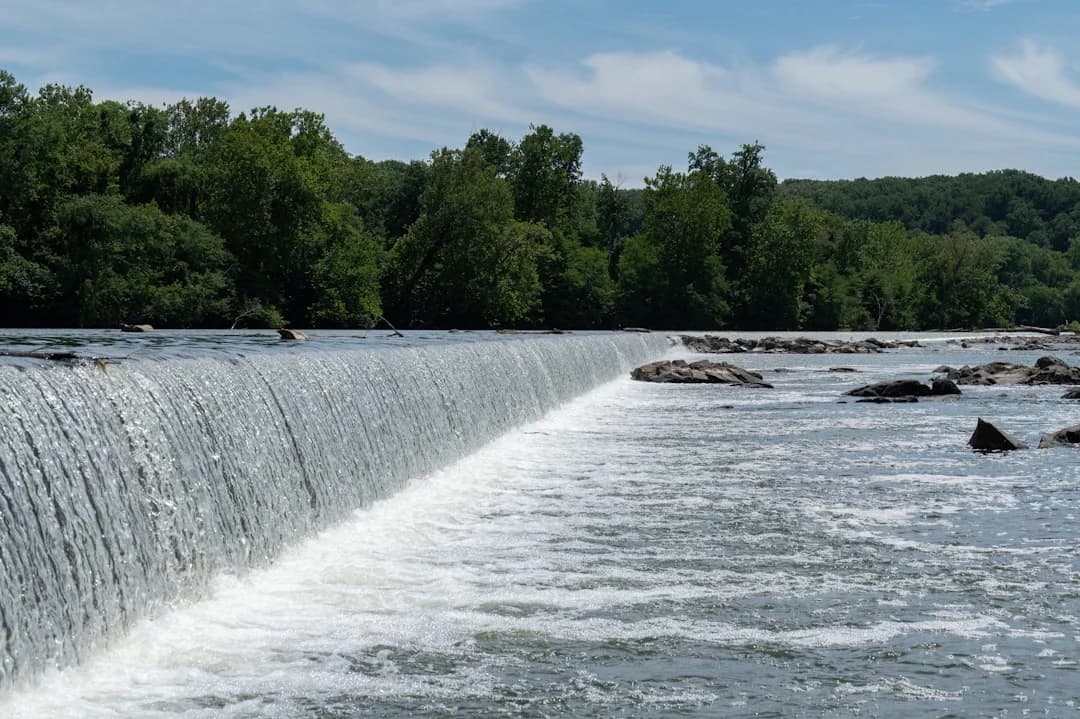
Photo by Mark Stenglein on Unsplash
The Potomac River became the center of a multi-jurisdictional public health and infrastructure response in early 2026, with agencies issuing recreation guidance to protect residents and visitors. This report outlines Potomac sewage spill 2026 recreation guidance and what it means for people who live in the District, work near the river, or recreate along its shores. Throughout January through March 2026, officials tracked contaminants, assessed risk, and coordinated communications across Washington, DC, Maryland, and Virginia. The immediate concern was not drinking water—officials repeatedly stressed that drinking supplies remained safe—but rather the safety of water-based activities such as boating, fishing, and casual wading in affected sections of the Potomac. The unfolding guidance informed which activities were allowed, under what conditions, and where residents should turn for updates as testing data evolved. This situation has underscored the value—and limits—of rapid, data-driven public health communication during a large-scale urban water infrastructure incident. Potomac sewage spill 2026 recreation guidance has shaped how residents approach river use while authorities completed repairs, monitored water quality, and prepared long-term restoration plans. (doee.dc.gov)
What Happened
The incident and initial scale
On January 19, 2026, a section of the Potomac Interceptor, a 72-inch sewer main, collapsed near the Clara Barton Parkway in Montgomery County, Maryland. The break released a substantial volume of untreated wastewater into the Potomac River, creating an urgent public health challenge for downstream communities and river users. The line carries up to 60 million gallons of wastewater daily from Virginia and Maryland to the Blue Plains Advanced Wastewater Treatment Plant in Washington, DC, and its failure prompted sweeping containment and mitigation efforts. Maryland’s environmental and health authorities soon confirmed that the spill involved hundreds of millions of gallons of untreated sewage, with estimates ranging from 243 million to 300 million gallons in the initial weeks. The event triggered emergency response actions by DC Water, the District of Columbia Department of Energy and Environment (DOEE), DC Health, EPA, the Maryland Department of the Environment (MDE), and state health agencies in Virginia. These numbers and the concurrent contingency plans anchored the early-stage Potomac Interceptor response. (doee.dc.gov)
The immediate public health advisories
In the wake of the January 19 collapse, public health authorities issued warnings to avoid direct contact with river water in areas affected by the spill. The advisories were designed to reduce exposure to potential bacteria, including E. coli, which can be elevated in sewage-contaminated waters. By late January, health officials in the District, Maryland, and Virginia were issuing guidelines ranging from altogether avoiding contact with river water to avoiding specific activities (such as fishing or boating) in impacted zones. The Maryland health authorities published a formal timeline indicating that a combination of advisories and shellfish harvesting restrictions were put in place to protect public health and market confidence. The Maryland timeline shows a sequence of actions from late January into early March, including issuing health advisories and implementing shellfish closures, then gradually lifting these protective measures as testing indicated safer conditions. (mde.maryland.gov)
Containment, bypass operations, and the response framework
Responders implemented bypass systems to divert wastewater away from the main damaged segment and toward treatment facilities, while contractors and utility teams worked to repair the damaged pipe and restore normal flow. The DOEE update and DC Water communications logs describe daily (and then frequent) testing and monitoring across multiple sites along the Potomac and the Anacostia rivers. The response involved extensive interagency coordination among local, state, and federal partners, including EPA leadership and oversight. As part of the containment strategy, some sewage flow was temporarily diverted into parts of the C&O Canal to prevent further contamination of the main river while repairs proceeded. The overarching objective was to minimize downstream environmental impacts, protect drinking-water intakes, and restore recreational use as quickly and safely as possible. By early March, agencies reported that immediate containment had been achieved, with residential drinking water remaining safe and river testing showing progress toward acceptable recreational levels. (doee.dc.gov)
Progress toward testing reliability and public safety thresholds
One of the central metrics used by the public health and environmental agencies is the concentration of E. coli in river samples, reported as MPN (most probable number) per 100 milliliters. The Environmental Protection Agency (EPA) and local agencies consistently reference 410 MPN/100 mL as the threshold for recreational contact. In the District, testing data from DC agencies and partners indicated that E. coli levels had fallen back within safe ranges for recreation in the District’s portion of the Potomac River, enabling the March 2 lifting of the advisory there. Across the region, Virginia and Maryland agencies continued to monitor and communicate about conditions, including periodic advisories in effect near spill-affected zones and the gradual easing of guidance as testing supported safer use. The March 6 DOEE update explicitly stated that the Potomac River advisory had been lifted and that daily testing would continue with the next data release expected within 48–72 hours. (dpr.dc.gov)
The broader regional context and jurisdictional differences
The Potomac spill’s effects were felt across multiple jurisdictions, each with its own safety thresholds and messaging practices. DC Health and DC Water focused on the District’s water safety and permitted recreational uses, while DOEE flagged the need for ongoing monitoring and testing to confirm river conditions beyond the District’s boundaries. Maryland’s MDE provided both shellfish-derived restrictions and broader non-shellfish testing results, and Virginia’s VDH issued a separate advisory and eventual lifting notice as data supported safe conditions outside the spill’s immediate footprint. This multi-jurisdictional approach to recreation guidance highlighted the importance of transparent data sharing, cross-border coordination, and consistent public messaging in a transboundary waterway used for boating, fishing, and other river-based activities. (dpr.dc.gov)
The incident’s documented timeline (at a glance)
- January 19, 2026: 72-inch Potomac Interceptor collapse near Clara Barton Parkway, Montgomery County, MD; DC Water began emergency response. (doee.dc.gov)
- January 24–25, 2026: Health advisories issued in Maryland and adjacent counties; initial guidance to avoid direct contact with river water and refrain from certain activities. (mde.maryland.gov)
- February 13–18, 2026: Virginia and other partners issue and update recreational advisories; daily monitoring begins across the river corridor. (vdh.virginia.gov)
- February 20–27, 2026: Ongoing testing confirms bacterial levels trending downward; DC Health and DOEE provide updated guidance for river users. (dchealth.dc.gov)
- March 2, 2026: DC advisory lifted for the District; swimming remains prohibited; ongoing testing to monitor conditions. (dpr.dc.gov)
- March 5–17, 2026: Maryland and Virginia adjust advisories as testing supports safer conditions; Maryland lifts non-contact advisories and shellfish closures in stages; Virginia lifts its advisory for river recreation within its borders. (mde.maryland.gov)
- March 17, 2026: Virginia lifts remaining recreational advisory for portions of the Potomac River outside the spill footprint; regional testing confirms safer conditions beyond immediate spill site. (vdh.virginia.gov)
Why It Matters
Public health and safety implications

The Potomac sewage spill 2026 recreation guidance underscores a fundamental public health principle: when a large-volume sewage event occurs in a major waterway, authorities must rapidly evaluate whether river contact activities pose risks to human health. E. coli and other pathogens are central to this decision-making, with the EPA’s standard for recreation set at 410 MPN/100 mL for E. coli. Early in the crisis, river users faced elevated risk in several areas, prompting advisories against swimming, wading, boating with watercraft, or even handling pets near contaminated zones. As testing data showed improvements, agencies progressively relaxed restrictions in a staged manner, signaling that water quality metrics had returned to safer levels. DC Health and DOEE, among others, repeatedly stressed that drinking water supplies were not impacted, a key message for residents relying on central water systems. The careful delineation between drinking water safety and recreational water safety helped avoid public panic while preserving the integrity of essential water services. (dchealth.dc.gov)
Economic and recreational impact for residents and businesses
The Potomac spill affected tourism, local businesses, and recreational activity along the river, with ripple effects on water sports providers, fishing guides, riverside restaurants, and adjacent parks. The crisis produced a temporary decline in river-based commerce and a heightened emphasis on restoration and trust. In early March, outlets such as Axios highlighted the challenge of restoring trust in the Potomac’s recreational value and the prospect that river users would return gradually as testing data remained favorable. As more jurisdictions lifted advisories and messaging confirmed returning safety levels, some local communities began to evaluate how to rebuild visitor confidence and support recovery of riverfront economies. While some sectors faced immediate losses, the broader trend suggested a path toward recovery as water quality testing continued to affirm safer conditions. (axios.com)
Environmental and ecological considerations
Experts worry about the spill’s broader environmental implications, from potential impacts on aquatic habitats to sediment contamination and shellfish health. Maryland’s shellfish closure and later lifting, along with ongoing fish and wildlife surveys, illustrate the careful balancing of public health with long-term ecosystem restoration. The Maryland Department of the Environment documented that shellfish harvesting closures were in place and later lifted as water quality and shellfish safety indicators improved. DOEE and EPA have participated in environmental assessments and restoration planning, recognizing that large urban spills can have lasting effects on riverine ecosystems. As restoration work proceeds, agencies will monitor sediment dynamics, fish populations, and wildlife health to determine any prolonged consequences of the spill. (mde.maryland.gov)
Cross-jurisdictional coordination and communication
One of the most notable aspects of the Potomac arrangement was the level of interagency cooperation across District of Columbia, Maryland, and Virginia jurisdictions, plus federal partners. The DOEE update highlights daily testing data sharing and the use of shared testing results to inform decisions about public advisories. Maryland’s MDE presented a structured timeline of actions and testing results across counties, and Virginia’s DEQ and VDH provided parallel data and guidance for residents. The coordinated approach illustrates how, in a multi-state river corridor, timely data dissemination and clear messaging are essential to maintain public trust and minimize confusion. (doee.dc.gov)
What the data show at key milestones
- The initial spill volume (243–300 million gallons) signals a substantial discharge requiring rapid containment and remediation. Maryland’s official figures anchor the magnitude of the incident, while DC Water’s bypass and repair activity illustrate the operational response. (mde.maryland.gov)
- By late February, District and regional testing indicated that river water quality improvement was underway, with DC Health reporting that drinking water remained safe and that recreational thresholds were approaching acceptable ranges. This distinction between drinking-water safety and recreational safety was central to public messaging. (dchealth.dc.gov)
- In early March, multiple agencies began lifting or adjusting advisories, culminating in Virginia lifting its remaining advisory by March 17, and DC lifting its District advisory by March 2. Progress across the region reflected a data-driven de-escalation of restrictions as testing confirmed safer conditions beyond the immediate spill footprint. (dpr.dc.gov)
The practical realities for residents and visitors
For residents, the key takeaway from Potomac sewage spill 2026 recreation guidance has been a staged, data-informed approach to river use. Early in the crisis, people were urged to avoid direct contact with river water, refrain from fishing or boating, and minimize pet exposure to the river. As conditions improved, advisories were lifted in steps, with continuing reminders to monitor daily testing data and to follow the guidance of local authorities for areas outside the District’s boundaries. This approach balanced the public’s right to enjoy regional waterways with the imperative to protect public health and reassure the public that river environments remained safe for recreational activities. (doee.dc.gov)
What’s Next
Expected timeline and ongoing monitoring
With emergency repairs completed and the bypass returning sewage flow to the Potomac Interceptor, the initial priority has shifted to long-term restoration and monitoring. Maryland’s timeline outlines ongoing environmental monitoring, with daily or near-daily sampling across non-shellfish and shellfish habitats to ensure that water quality remains within safe recreational standards. Environmental agencies will continue to track sediment disturbance, fish and wildlife responses, and potential lingering effects of the spill on river ecology. DC Water’s ongoing updates will provide the public with progress on remediation and the status of river rehabilitation efforts. The coordinated data-sharing framework among DC, Maryland, Virginia, and federal partners is expected to continue as restoration plans advance. (mde.maryland.gov)
Restoration planning and environmental protections
Maryland’s MDE and Virginia’s DEQ and VDH projects, along with federal agencies, are focusing on long-term restoration of the Potomac region. The spill prompted extensive planning for river restoration, shellfish protections, and habitat monitoring. As part of the response, DC Water has engaged environmental consultants to plan the site restoration, including the spill footprint, the C&O Canal sections used for temporary containment, and the broader river corridor’s ecological recovery. The agencies’ work will likely cover landscape-level recovery, sediment remediation, and ongoing monitoring of aquatic life to ensure resilient river systems. The timeline indicates continued coordination among state agencies and federal partners to implement remediation and restoration measures over the coming months and years. (mde.maryland.gov)
Reopening and public guidance moving forward
While the river is now open for many recreational activities in affected zones, safety guidance remains nuanced and location-specific. As of mid-March, districts and neighboring jurisdictions encouraged river users to adhere to posted advisories, monitor testing data, and follow official channels for updates. The messaging emphasizes that while many areas have returned to permissible recreation, some zones near the spill site still face cautionary advisories due to residual risk or weather-related runoff, particularly after heavy rain events. The evolving guidance will reflect test results and watershed conditions, and residents should stay vigilant about updates from DC Health, VDH, MDE, and DC Water, among others. (dpr.dc.gov)
What to watch for in the weeks ahead
- Continued water quality testing results, with weekly or more frequent data releases that inform any remaining or new advisories. The DOEE and DC Water data dashboards will remain central to public updates. (doee.dc.gov)
- Potential environmental restoration milestones, including shellfish habitat assessments and sediment cleanup activities in Maryland and adjacent river sections. Maryland’s ongoing testing and remediation communications, including shellfish-related actions, will be important indicators of recovery progress. (mde.maryland.gov)
- Economic and community recovery signals for Potomac River–adjacent businesses, with perceptions of safety and trust potentially affecting tourism and outdoor recreation uptake in the spring and summer 2026 seasons. News outlets have highlighted the reputational and economic dimensions of the spill, in addition to the health and environmental factors. (axios.com)
What to Watch For: A Quick Reference of Advisories and Lift Dates
| Jurisdiction | Start of Advisory | Status as of March 2026 | Key Notes |

|---|---|---|---| | District of Columbia | January 24–25, 2026 (water contact advisories) | Lifted March 2, 2026 for DC waters; swimming remains prohibited | DC Health and DOEE led the monitoring, with daily updates and clear thresholds (410 MPN/100 mL) guiding decisions. (mde.maryland.gov) | | Maryland (MDE/MDH) | January 25, 2026; shellfish closures January 25; non-shellfish advisories ongoing | Lifts and adjustments through March 2026 (shellfish closure lifted March 10; non-contact advisories updated March 5; advisories lifted in some counties) | MD testing data showed recreational contact standards met at multiple locations by early March; closures eased as conditions improved. (mde.maryland.gov) | | Virginia (VDH/DEQ) | February 13, 2026 advisory in parts of Potomac | Lifts for most areas March 17, 2026 | Virginia residents advised to avoid water contact in specific downstream areas near spill footprints, with a broader reopening as data supported safety. (vdh.virginia.gov) |
Closing
The Potomac River episode of 2026 demonstrated a real-time test of how a dense, multi-state river system can absorb a significant wastewater incident while balancing public health protections, environmental stewardship, and regional livelihoods dependent on water-based recreation. The Potomac sewage spill 2026 recreation guidance evolved from urgent health advisories to carefully calibrated lifting of restrictions as data demonstrated real improvements in water quality. The collaborative approach—DC Health, DOEE, DC Water, MDE, Virginia’s VDH and DEQ, EPA, and local health departments—helped provide a coherent, transparent narrative for residents and visitors.
As the story continues to unfold, readers should monitor official dashboards and press releases for updates on river conditions. For ongoing information, turn to DC Health’s Potomac updates, DOEE’s Potomac Interceptor pages, Maryland’s MDE and health department releases, and Virginia’s DEQ and VDH guidance portals. These sources collectively shape the Potomac sewage spill 2026 recreation guidance landscape and will inform both immediate decisions about river use and longer-term restoration planning. The District of Columbia Times will continue to report on river conditions, public health advisories, and the economic and ecological implications of this incident as new data becomes available.
In short, while the river’s recreational season is resuming in many areas, the Potomac’s path to full, unrestricted recreation remains data-driven and provisional. Stay tuned to official channels for the latest safety guidance and to the reliable data streams that inform decisions about when and where it is safe to return to the Potomac for boating, fishing, and other river-based activities. Potomac sewage spill 2026 recreation guidance is a living framework driven by test results, recovery progress, and the shared commitment to public health and river restoration.