Passport Music Festival 2026 Shines in DC
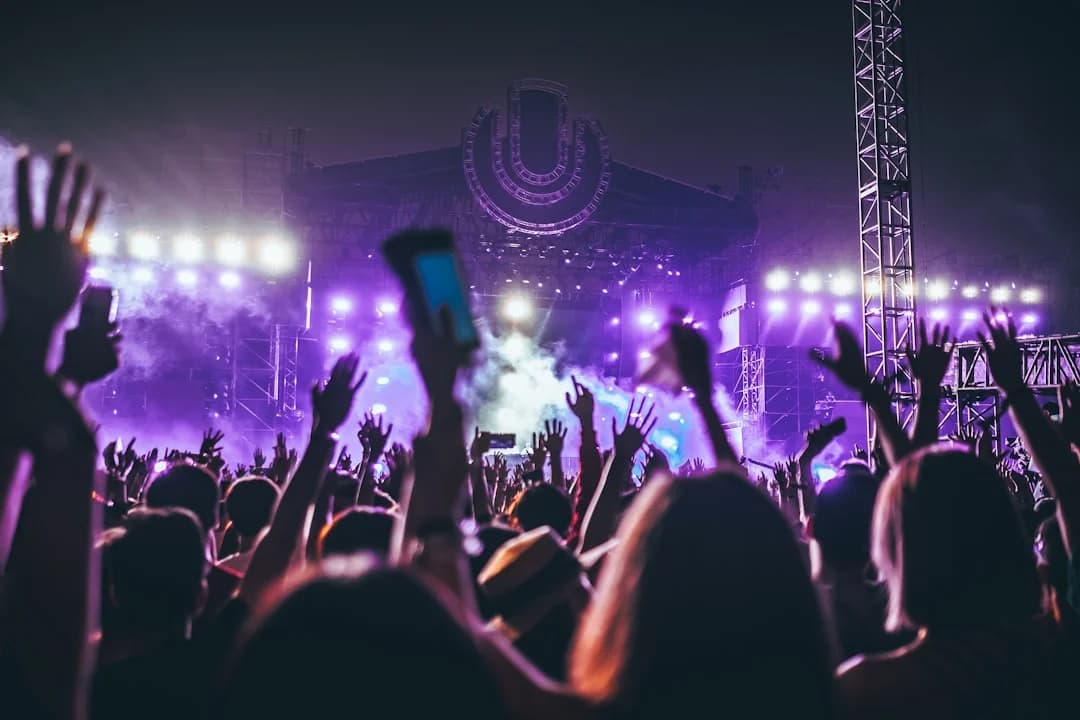
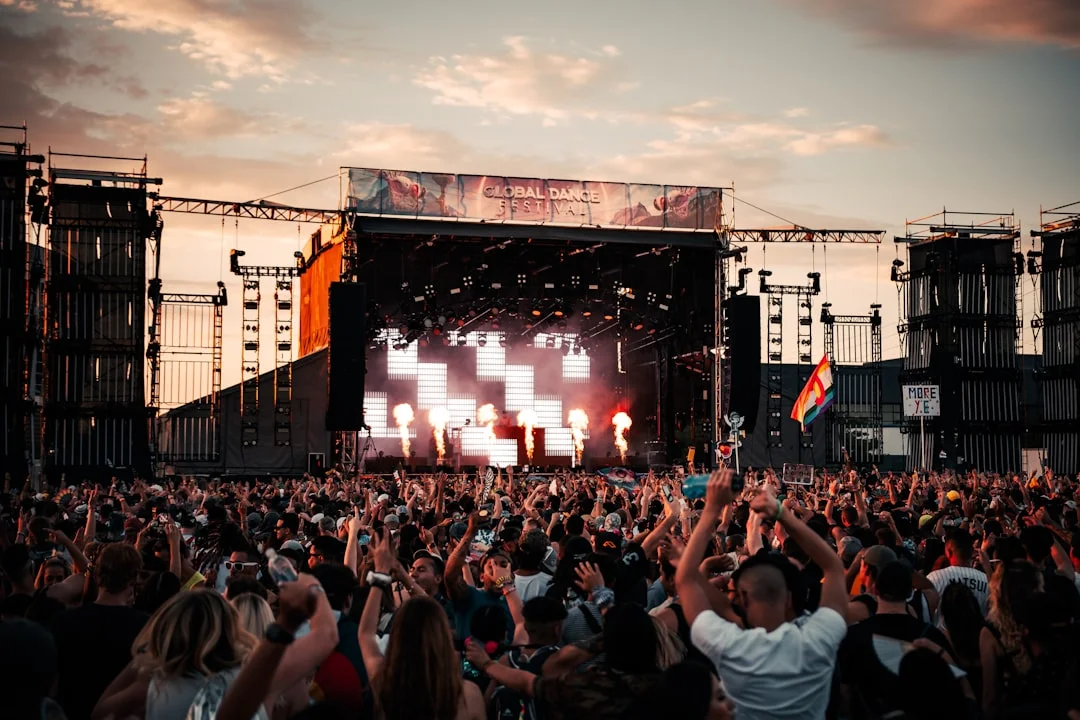
Photo by Hanny Naibaho on Unsplash
Passport Music Festival 2026 is returning to the Washington, DC region with a two-pronged seasonal approach that reflects both the capital’s enduring appetite for live music and the growing role of digital access in audience engagement. Creative Cauldron Stage in Falls Church, VA, announced the summer edition of Passport Music Festival 2026, a long-running series that blends intimate cabaret settings with world-class musicians. The organization said the festival will run from June 13, 2026, through September 13, 2026, continuing its tradition of offering a carefully curated, genre-spanning lineup for local audiences and visiting fans alike. The announcement underscores the festival’s sponsorship by The Reserve at Falls Church, a signal of sustained local support for the arts in Northern Virginia and the broader DC metro area. This development arrives in the midst of a DC-area arts ecosystem that continues to experiment with hybrid formats, balancing in-person experiences with streaming options to improve accessibility and broaden the festival’s geographic reach. (dctheaterarts.org)
Beyond the June-to-September window, Passport Music Festival 2026 also appears in a January–February iteration that Creative Cauldron has historically used to kick off its annual schedule. A separate winter program, branded as Passport Music Festival and running from January 9 through February 1, 2026, features a distinct roster and venue approach, further illustrating the organization’s commitment to year-round engagement with diverse musical forms. This dual-season structure—winter and summer—highlights an adaptive strategy for audiences who value both episodic, intimate performances and a larger, seasonal stage experience. The winter program is described as part of Creative Cauldron’s ongoing Passport Music Festival, now in its 15th year, with tickets and seating options designed to maximize accessibility. (creativecauldron.org)
Opening note for readers: Passport Music Festival 2026 underscores a data-informed approach to cultural programming in the DC region. Organizers emphasize accessible formats, including a private-table experience and a streaming option, to reach audiences who may not be able to attend in person. These elements align with broader market trends in live music that prioritize flexible access models and digital extensions as standard components of a successful festival strategy. The festival’s dual-season approach also mirrors broader industry patterns where venues experiment with staggered calendars to smooth attendance, optimize venue utilization, and sustain artist engagement across a longer period. (dctheaterarts.org)
Section 1: What Happened
Announcement Details
The public announcement confirming the 2026 Passport Music Festival emerged in mid-June 2026, signaling Creative Cauldron Stage’s return to its signature summer tradition. DC Theater Arts reported that the festival would run from June 13, 2026, through September 13, 2026, with a schedule designed to deliver weekend performances that transform Creative Cauldron Stage into an intimate music venue. The organizer highlighted the festival’s ongoing collaboration with Falls Church’s The Reserve at Falls Church as a sponsor, underscoring the event’s local economic and cultural significance. The announcement frames Passport Music Festival 2026 as a continuation of a program that has built community around diverse musical forms, including jazz, folk, world music, cabaret, and related genres. The festival’s leadership—Ken Avis and Lynn Veronneau—was noted for shaping a lineup that emphasizes both veteran performers and emerging artists from the Washington, DC area and beyond. (dctheaterarts.org)
Season Timeline and Key Facts
Passport Music Festival 2026 is presented as a multi-month season with a carefully structured cadence. The official program page confirms the summer window from June 13 to September 13, 2026, with evening performances typically starting at 7:30 PM and matinees on select dates in the afternoon. The lineup for the summer run is intentionally varied, spanning genres and traditions to reflect the festival’s global music ethos. The announced summer schedule includes performances by Kathy Halenda, Susan Derry Cabaret Intensive Finale, Sean Heely, The Big Lebowski Experience, The Fly Birds, Joe Coleman, Still We Sing Concert, Cecily, Eastern Standard Time, Dave Klein Band, Vox Pop, Eli Lev & Friends, Valeria Stewart & Friends, Seth Kibel, The Guitar Renegades, Jason Paul Curtis and DC Martini, Marcel Penzes, Veronneau, Shenandoah Run, and several additional acts across August and September, culminating in a September 13 matinee. The precise dates, times, and venues are published in the festival’s official materials and have been echoed by local press coverage. (dctheaterarts.org)
In addition to the summer run, Passport Music Festival has a documented winter edition, which Creative Cauldron promotes as part of its annual Passport Music Festival programming. The winter window—January 9 through February 1, 2026—maps to a different lineup and concert cadence, with shows typically scheduled on Fridays and Saturdays at 7:30 PM and Sundays at 2:00 PM and 7:30 PM. The winter program emphasizes a club-like, intimate concert setting that aims to bring “guitar heroes,” international touring acts, and local rising stars into a close, listening-centric space. The winter lineup has included a cross-section of folk, jazz, blues, world music, and Latin acts, demonstrating the festival’s commitment to breadth in musical storytelling. Pricing for the winter shows follows the familiar tiered structure: Tier One seats at $30, Tier Two seats at $25, tables for two at $90, tables for four at $180, and a live-stream option at $15. (creativecauldron.org)
Ticketing and Access
Ticketing for Passport Music Festival 2026 is designed to balance intimate live experiences with the practical realities of modern audiences, including streaming options for virtual access. The festival promotes a club-like seating arrangement—private tables for two or four—alongside standard seating, emphasizing a social, immersive atmosphere that complements the listening-focused programming. In addition to in-person attendance, live streaming is available for viewers who prefer to enjoy performances from home. Live stream tickets are offered at a set price, and the option to purchase streaming remains available until an hour before curtain for most events. This dual-access approach aligns with broader industry trends toward hybrid experiences, a model increasingly seen as essential for maximizing audience reach without compromising the quality of the live experience. For readers and patrons who need direction, box office contact information is provided to assist with seating arrangements, pricing, and accessibility accommodations. (creativecauldron.org)
Section 1 also includes a detailed, event-by-event glimpse into the summer lineup. The announced 2026 roster includes a mix of local and regional artists, with performances that reflect broad stylistic range—from jazz and blues to folk, world music, and contemporary cabaret. The schedule’s breadth is designed to appeal to a diverse audience, including longtime festival-goers and first-time attendees drawn to the intimate, listening-room ambience Creative Cauldron Stage is known for. The lineup signals the festival’s ongoing investment in narratives that cross cultural borders, reflecting the DC metro area’s dynamic musical ecosystem. (dctheaterarts.org)
Section 2: Why It Matters
Cultural and Community Impact
Passport Music Festival 2026 sits at the intersection of cultural enrichment and community engagement. The festival’s approach—curated by recognized local artists Ken Avis and Lynn Veronneau—has become a hallmark of Falls Church’s cultural calendar, contributing to a broader DC-area music scene that prizes intimate performance settings and high-caliber artistry. The 15th-year milestone highlighted in coverage from Tysons Today emphasizes not just longevity but continuity in delivering quality programming that supports artistic careers and fosters audience loyalty. The inclusion of a wide range of genres—folk, jazz, blues, world music, and modern cabaret—advances cultural exchange, bringing cross-cultural collaborations to the region and reinforcing DC’s reputation as a hub for diverse musical experiences. The festival’s weekend cadence creates recurring cultural moments that residents and visitors can anticipate, contributing to the ongoing vitality of local arts districts and supporting adjacent businesses in Falls Church and the wider DC metro area. (tysonstoday.com)
Economic and Sponsorship Context
Financial and institutional support is a cornerstone of Passport Music Festival 2026. The festival’s official materials and contemporary press coverage point to sustained sponsorship from The Reserve at Falls Church, underscoring the importance of private-sector partnership in sustaining mid-sized arts organizations. Sponsorships of this kind enable intimate performance venues to offer accessible pricing, maintain cabaret-style seating, and invest in high-quality production values that distinguish the festival from more generic summer concert series. This public-private collaboration aligns with broader trends in regional arts funding, where local developers, property owners, and civic institutions partner with arts organizations to maintain year-round cultural programming. The economic impact extends beyond ticket sales to include dining, hospitality, transportation, and retail activity generated by festival-goers who travel to Falls Church and surrounding neighborhoods. (dctheaterarts.org)
Technology and Accessibility Trends
Passport Music Festival 2026 exemplifies how modern music events are expanding beyond traditional stage time to embrace technology-enabled access. The in-person experience—featuring intimate cabaret-style tables and a live audience—augments a parallel digital offering, with live streaming available for remote viewers. This hybrid approach is increasingly common in midsize festivals that seek broader reach without sacrificing the nuance of a dedicated listening space. The ability to stream performances adds a layer of resilience to the festival’s business model, enabling continuous engagement even when travel or health considerations might limit in-person attendance. The presence of streaming also supports audience data collection and analytics, which can inform future programming and marketing strategies, ultimately helping Passport Music Festival 2026 refine its offerings for a data-driven, reader-informed market. (dctheaterarts.org)
Section 2 also considers the broader cultural economy in the DC region. Events like Passport Music Festival 2026 contribute to a diversified arts ecosystem that includes high-profile national acts as well as community-driven programs, helping to sustain a dynamic, local-first arts economy. The festival’s dual-season approach demonstrates adaptability in a changing cultural landscape, where audiences increasingly expect both on-site and virtual access as standard options. This adaptability mirrors market dynamics seen in other regional festivals that have grown accustomed to hybrid engagement methods as a means to optimize attendance and monetize a broader audience base. (dctheaterarts.org)
What This Means for Readers and Local Audiences
For readers of the District of Columbia Times and other DC-area outlets, Passport Music Festival 2026 offers a clear case study in how a mid-size arts organization can sustain momentum through a combination of curated programming, strong local partnerships, and a mixed-access strategy. The festival’s structure—two distinct windows (winter and summer), a diverse lineup, and a pricing model that balances affordability with premium experiences—fits into a broader trend toward inclusive cultural access. Data-driven analysis of attendance, streaming engagement, and regional economic impact will be essential in the coming months to quantify the festival’s effects on the local arts economy and to benchmark future cycles. In that sense, Passport Music Festival 2026 is not just a sequence of concerts but a template for how mid-sized cultural institutions can navigate the complexities of the modern entertainment marketplace. (dctheaterarts.org)
Tech-Driven Access and Audience Experience
The hybrid model employed by Passport Music Festival 2026—live performances with built-in streaming options—also highlights a broader movement in the events sector toward accessibility, inclusivity, and data-informed programming. Live streaming expands the potential audience well beyond the physical venue, enabling families, students, and remote fans to participate in real time. In an era of flexible work arrangements and shifting travel patterns, this approach aligns with a growing expectation that cultural events offer multiple access points. The festival’s pricing structure—tiered seating, tables that include wine, and a separate streaming ticket—demonstrates a pragmatic approach to revenue diversification that can help sustain high-caliber programming while remaining welcoming to a broad cross-section of the community. (creativecauldron.org)
Section 3: What’s Next
Timeline and Next Steps
With the summer window spanning June to September 2026, Passport Music Festival 2026 has a multi-month timeline that will unfold in waves. The opening weekend sets a tone for the season, establishing the festival’s acoustics, pacing, and tiered pricing structure. As the schedule progresses, audiences can anticipate a variety of acts and formats, including Friday and Saturday performances at 7:30 PM and select Sunday matinees. The festival’s official materials emphasize that ticket sales are ongoing, with online purchasing available and in-person box office options for those who prefer to manage their reservations through direct contact. The presence of a live stream also indicates ongoing opportunities for viewers who may be watching remotely during certain weekends, ensuring continued engagement even as the in-person slate evolves across the season. (creativecauldron.org)
What to Watch For
Readers should monitor several indicators as Passport Music Festival 2026 unfolds. First, attendance patterns will be a telling signal of the festival’s resonance in a competitive summer market that features multiple regional and national events. Second, streaming engagement metrics will illuminate the reach of the hybrid format and inform decisions about future broadcast windows, production quality, and potential partnerships with streaming platforms or local media outlets. Third, sponsor involvement—such as The Reserve at Falls Church—will indicate the level of local business engagement and the potential for expanded corporate support in subsequent seasons. Finally, the festival’s ability to attract emerging artists alongside established acts will signal how effectively Passport Music Festival 2026 can sustain its role as a proving ground for new talent while maintaining the lure of recognizable names for long-time fans. (dctheaterarts.org)
Next Steps for Readers
Patrons who want to participate in Passport Music Festival 2026 should prepare for a multi-stage ticketing process that includes both in-person seating options and a streaming channel. Given the dual-season structure, readers should subscribe to Creative Cauldron’s updates and frequently check the festival’s official site for the latest announcements, including any changes to performance dates, lineup adjustments, or special events tied to the Reserve at Falls Church sponsorship. The festival’s official materials also emphasize accessibility considerations and customer support lines for ticketing, which will be essential for readers who require accommodations or assistance with seating arrangements. (creativecauldron.org)
Closing
Passport Music Festival 2026 represents more than a single program—it marks a broader statement about how regional arts organizations can sustain momentum through thoughtful programming, community partnerships, and technology-enabled access. The winter edition and the extended summer run together create a calendar that supports a steady stream of performances, enabling audiences to participate in a shared cultural experience across multiple months. For readers who want to stay informed, continuing coverage from Creative Cauldron and local outlets will be essential, as will the festival’s own official channels that detail lineup updates, ticketing, and streaming access. As the region’s cultural calendar evolves, Passport Music Festival 2026 stands as a model of a data-informed, audience-centered approach to festival programming in the DC metro area.
In the weeks ahead, the DC community should watch for ongoing reporting on attendance trends, streaming viewership, and the economic ripple effects of Passport Music Festival 2026. These metrics will not only illuminate the festival’s immediate impact but may also shape how similar institutions plan future seasons, balancing artistic ambition with practical considerations of accessibility, sponsorship, and digital reach. The festival’s leadership is positioned to offer more insights into how data helps shape decisions—from pricing strategies to artist selection—ensuring the program remains both artistically vibrant and financially sustainable for years to come. (dctheaterarts.org)