
NSRP FY26 funding bill signed into law (Feb 2026)
The NSRP FY26 funding bill signed into law (Feb 2026) marks a pivotal moment for U.S. national security and diplomacy funding as Congress completed its FY2026 spending package and the White House signed the Consolidated Appropriations Act, 2026 into law. This development comes amid a tightly choreographed, high-stakes appropriations process that linked defense, diplomacy, development, and related security programs into a single, full-year funding package. The NSRP component—covering National Security, State Department, and related programs—will shape how Washington supports allies, counters transnational threats, and sustains international engagement over the fiscal year running through September 30, 2026. The signing on February 5, 2026, followed close on the heels of congressional approvals earlier in the week, and it effectively closes a long-running budget loop after a near-shutdown scare that highlighted the fragility of funding timelines and the importance of predictable appropriations for foreign and security policy. This moment is consequential for policymakers, diplomats, defense planners, and international partners who rely on stable, transparent, and adequately funded programs to advance U.S. interests. (appropriations.house.gov)
At its core, NSRP FY26 funding represents the culmination of months of bipartisan negotiations, with the NSRP portion embedded in a broader package that funds most of the federal government through the fiscal year. The NSRP appropriation was approved by both chambers—House of Representatives and Senate—before the president’s signature, signaling broad consensus on the direction of diplomacy and security assistance in a shifting global landscape. The government-wide package allocates roughly $50 billion in discretionary funding for NSRP activities, reflecting a recalibration of resources to align with the observed strategic priorities of the administration and Congress. The exact distribution within NSRP reflects a balance between Department of State diplomatic operations, security and development assistance, and specialized programs designed to enhance deterrence and resilience in partner nations. This allocation, once signed into law, signals a formal, year-long commitment to diplomacy and national security tools at a time of rising strategic competition. (appropriations.senate.gov)
Opening The NSRP FY26 funding bill signed into law (Feb 2026) arrives as part of the Consolidated Appropriations Act, 2026, a sweeping package that funds a broad set of federal agencies and programs for the current fiscal year. The NSRP portion channels resources to diplomacy and security abroad, while also supporting critical oversight and accountability mechanisms intended to improve efficiency and effectiveness of foreign assistance. The signing event, announced in official channels and reflected in subsequent reporting, confirms that a substantial portion of the federal government’s foreign policy toolkit is now operating under a fully funded framework for the year ahead. The immediate impact is multi-faceted: embassies can rely on secured funds for security upgrades and operations; international partners can count on continued security and development support; and U.S. agencies can plan with more certainty, enabling longer-term planning and implementation of foreign policy objectives. This development matters not only for national security analysts and diplomats but also for U.S. businesses engaging in global markets, NGOs implementing aid programs, and local governments planning international collaboration. (appropriations.house.gov)
As Washington moves into the NSRP FY26 funding era, observers are watching how the new authorized levels translate into on-the-ground results. The NSRP package—part of a broader $50 billion discretionary NSRP allocation in the bill—emphasizes a continued emphasis on security cooperation with allies, nonproliferation and counterterrorism, and humanitarian and development programming that aligns with U.S. diplomacy objectives. While the administration and Congress faced disagreements during negotiations, the final enacted law aims to maintain stability in U.S. foreign policy tools while pursuing targeted reductions in certain discretionary accounts. The practical effect for front-line readers: embassies and consulates receive funding to bolster country-level security and overseas operations, nonmilitary aid programs can proceed with intended timelines, and oversight mechanisms will be in place to track spending. (appropriations.senate.gov)
Section 1: What Happened
Timeline of the NSRP FY26 funding process
Beginning of the FY26 NSRP push
The Fiscal Year 2026 National Security, Department of State, and Related Programs Appropriations Act began its formal journey in mid-2025, with the House Appropriations Committee approving the NSRP measure on July 23, 2025. The committee emphasized a strategic, America-First foreign policy approach, focusing on realigning resources to deter threats while delivering accountability. The committee’s action laid the groundwork for ongoing bicameral negotiations that would eventually shape the final enacted package. The key takeaway from this phase was a commitment to reducing discretionary spend relative to FY2025 enacted levels, while preserving core security and diplomatic capabilities. (appropriations.house.gov)
Senate and House passage leading to presidential signature
By February 3, 2026, the NSRP Appropriations Act had cleared both chambers. The Senate’s majority news release stated that the House had passed the NSRP Appropriations Act by a vote of 217 to 214, while the Senate had previously approved the bill by 71 to 29. The release framed the bill as providing security assistance to allies, countering narcotics and other illegal activities, and supporting global health programs—before heading to the president for signature. The NSRP figure cited was a $50 billion discretionary funding level, underscoring a broad, though not unlimited, commitment to diplomatic and security tools abroad. (appropriations.senate.gov)
Presidential signing and law
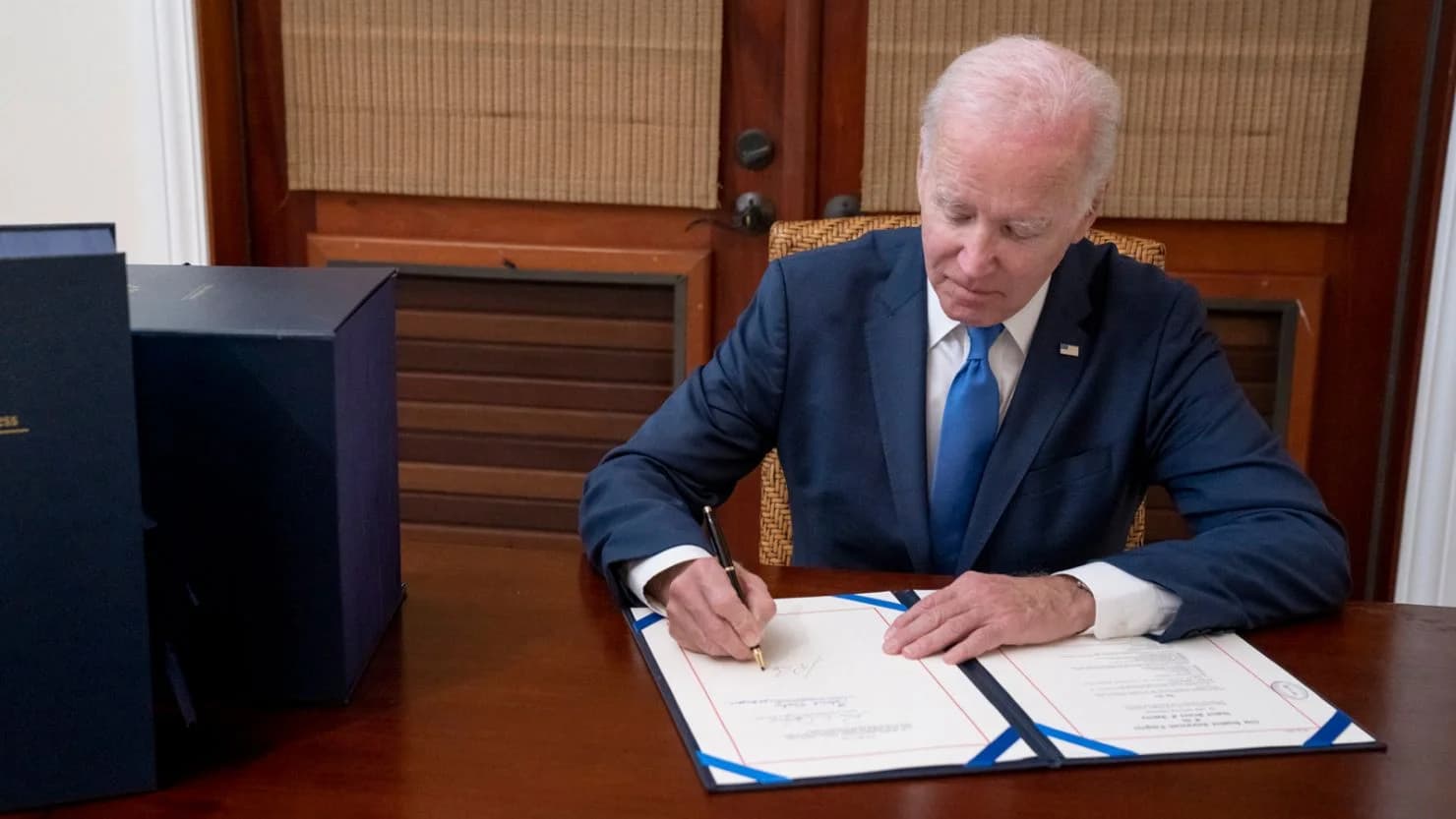
On February 5, 2026, President Trump signed H.R. 7148 into law, signaling the completion of 11 of 12 FY26 funding bills and turning the NSRP appropriation into law as part of the Consolidated Appropriations Act, 2026. The signing represented an important milestone for continuity of government operations and for the consistency of U.S. foreign policy funding, especially in the context of ongoing global challenges. The presidential signing event was highlighted in official and party-aligned outlets, noting the broader context of completing the year’s full-year funding package. The NSRP component was explicitly identified as part of the enacted measure. (appropriations.house.gov)
What were the substantive NSRP allocations and programmatic focuses?
Core NSRP funding totals and structure

The enacted NSRP provision totals reflect a discretionary funding level of about $50 billion across NSRP programs, with distribution across key accounts such as diplomatic operations, international security assistance, and investment and humanitarian programs. Within the Department of State, for example, the line-item allocations include:
- State operations under Diplomatic Programs: $9.3 billion, including $5.8 billion to strengthen embassy security and $129 million for the Office of Inspector General.
- International Security Assistance: $8.9 billion, covering foreign military training and education programs, peacekeeping, nonproliferation, counterterrorism, and related activities.
- National Security Investment Programs: $6.8 billion, consolidating several accounts to bolster national security and foreign assistance.
- International Humanitarian Assistance: $5.4 billion, designed to streamline humanitarian response.
- U.S. International Development Finance Corporation (DFC): $998 million.
- International Religious Freedom: $40 million, plus $4 million for the U.S. Commission on International Religious Freedom.
These line items reflect a strategic prioritization of allied security cooperation and geopolitical influence, while maintaining a focus on oversight and accountability. The numbers and allocations were publicly released in the Senate’s NSRP summary and in the House’s related funding materials. (appropriations.senate.gov)
The broader policy context within which NSRP operates
The NSRP appropriation sits within a broader international affairs funding framework, which includes diplomacy, development, and security assistance components. In public documents and stakeholder commentary, supporters emphasize the importance of diplomacy and international engagement as pillars of U.S. national security, complementing hard power with strategic soft power. For instance, the U.S. Global Leadership Coalition highlighted the bipartisan support for U.S. diplomacy and foreign assistance as integral to maintaining global stability and American leadership. While debates continue about the scale and scope of such programs, the enacted NSRP appropriation signals a continued commitment to these tools within a full-year funding package. (usglc.org)
Contextual notes on the broader spending package
The NSRP bill was part of a consolidated package that included other major funding measures and, in total, represented a wide effort to fund most of the government for the year. In the broader conversations around the package, press materials and policy analyses highlighted that the package included a mix of reductions and targeted investments, with particular attention to accountability and transparency. Several observers and advocacy organizations, including the USGLC, noted the importance of diplomacy and development funding in countering geopolitical rivals and advancing U.S. interests abroad. (appropriations.senate.gov)
Section 2: Why It Matters
Diplomatic and security implications for partners and rivals
Strengthening alliance networks and deterrence
The NSRP FY26 funding package fortifies U.S. diplomatic and security support for allies and partners around the world. In the State operations and international security assistance accounts, the package funds embassy security, foreign military training, peacekeeping operations, and nonproliferation efforts. These investments are designed to bolster deterrence and maintain U.S. influence in key regions, including support for allies and partners facing strategic competition. The financial commitments are framed as essential to sustaining a credible security posture while enabling diplomacy to remain a central tool of U.S. foreign policy. The official summary notes the emphasis on countering adversaries while maintaining a reliable development and humanitarian outreach to affected populations. (appropriations.senate.gov)
The role of diplomacy in national security strategy
Supporters of the NSRP funding approach argue that diplomacy and international development function as force multipliers for U.S. national security. By funding diplomacy, development, and humanitarian operations, the United States can prevent crises, stabilize regions, and counter the appeal of extremist ideologies by delivering tangible benefits to communities in need. The USGLC’s statement during passage underlines the bipartisan recognition that strategic investments in diplomacy and international assistance are fundamental to American competitiveness abroad, complementing military strength with sustained international engagement. This perspective also frames the NSRP package as an integrated tool set rather than a purely military budget. (usglc.org)
Risk considerations and oversight expectations
With any substantial foreign-assistance and diplomacy package, critics often caution about the need for robust oversight, accountability, and measurable outcomes. The NSRP funding structure includes specific accounts designed to improve transparency and effectiveness, such as mechanisms to monitor the use of funds and ensure alignment with U.S. policy goals. The enacted law’s emphasis on governance and accountability is a common reaction to past concerns about waste, duplication, or misallocation of foreign aid. Observers note that performance reporting and independent audits will be essential to sustaining taxpayer confidence in these programs. (appropriations.senate.gov)
Domestic and global market and policy implications
Economic and political signaling

From a broader policy perspective, the NSRP funding package sends a signaling message about U.S. priorities in a multipolar world. By maintaining or expanding critical diplomatic and security capabilities, the administration and Congress aim to project stability and reliability to markets, partners, and investors who monitor geopolitical risk. The package’s design reflects a balance between reducing certain discretionary spend in some areas and preserving core capabilities that support diplomacy, development, and security commitments. Stakeholders in the defense, technology, and international affairs sectors watch for how these funds translate into procurement, foreign assistance contracts, and alliance-building initiatives. (appropriations.senate.gov)
Implications for technology and market trends
Advanced technologies and international collaboration often feature in NSRP-related programs—ranging from cybersecurity and defense-related tech to information sharing with partners. While the NSRP accounts primarily address diplomatic and security programming, the funding structure interacts with technology markets through security cooperation, widely distributed systems support, and shared defense innovation. Analysts in the technology sector will be watching for how NSRP-funded activities influence international partnerships, export controls, and joint research initiatives across allies and partner nations. The exact technology spend within NSRP is not itemized in the public NSRP summary but is likely to be reflected in related accounts and programmatic guidance issued by the State Department and Defense agencies. (appropriations.senate.gov)
Stakeholder voices and perspectives
Bipartisan and advocacy viewpoints
Advocacy groups and policy think tanks have generally welcomed a finalized NSRP package as a step toward stable, long-range planning for diplomacy and national security. U.S. Global Leadership Coalition’s statement framed passage as a bipartisan victory for diplomacy and development, emphasizing the importance of these tools to America’s global leadership. Other observers, including policy analysts and some industry voices, have highlighted the need for robust oversight to ensure that the funds deliver measurable results and that the programs remain responsive to evolving global challenges. These perspectives illustrate the ongoing tension in foreign affairs funding: maintaining strategic investments while ensuring fiscal discipline and accountability. (usglc.org)
Critical or opposing viewpoints
Some commentators and stakeholders have raised concerns about the size and scope of the NSRP package, the potential for misaligned priorities, and the risk of reduced humanitarian assistance or development funding in pursuit of security-focused goals. Debates around how best to balance deterrence, diplomacy, and aid reflect broader policy disagreements that accompany large appropriations packages. As with many multi-year or multi-account bills, critics may push for additional transparency, better performance metrics, and more explicit sunset or reevaluation provisions to ensure that funding remains aligned with evolving threats and opportunities. (usglc.org)
What to monitor now
- Implementation milestones: As NSRP funds begin flowing to DoS, USAID, and related programs, expect programmatic guidance and annual performance reports that outline how the money is being spent and what outcomes are being achieved.

- Oversight and auditing: Expect ongoing oversight by congressional committees, inspector generals, and independent monitors to track spend, prevents waste, and ensure alignment with policy goals.
- Diplomatic activity metrics: Foreign assistance and diplomacy can produce longer-term effects that take time to surface. Watch for indicators such as embassy security improvements, consular processing efficiency improvements, and enhanced coalition operations with allied partners.
- Geopolitical developments: Given the dynamic international environment, the NSRP NSRP funding decisions will be interpreted in the context of evolving U.S.-allied and adversarial dynamics, including competition with major powers and responses to regional crises.
Section 3: What’s Next
Next steps for NSRP implementation and oversight
Timeline and early actions
With the NSRP portion enacted, agencies will begin implementing the authorized programs for the 2026 fiscal year. The immediate steps typically include distributing funds to diplomatic missions, activating security upgrades at embassies, launching or continuing security assistance programs for partner nations, and coordinating with interagency partners to ensure efficient execution. The final passage and signing complete the legal authority necessary for these actions to proceed, subject to the annual appropriations cycle and any continuing resolutions that may be required if administrative or fiscal deadlines shift. The public record indicates that the NSRP appropriation is now law and that agencies can begin lines of execution consistent with the bill’s text and accompanying guidance. (appropriations.senate.gov)
Oversight and reporting expectations
Expect enhanced reporting and transparency requirements, alongside detailed performance measures for diplomacy, development, and security programs. Lawmakers frequently emphasize that appropriations come with accountability provisions—audits, quarterly or annual reporting, and program evaluations—to ensure the money achieves stated policy outcomes and serves American interests abroad. Stakeholders—including advocacy groups and think tanks—will monitor whether the post-signing period delivers on the promises of stronger deterrence, more effective diplomacy, and improved humanitarian responses. (usglc.org)
What to watch for in the coming months
- Diplomatic and security engagement with allies: Increased joint exercises, security assistance, and development programs could be announced or expanded as NSRP funds begin to influence policy execution.
- Programmatic milestones in key regions: Observers will look for early indications of progress in high-priority theaters, including those where alliance cohesion and deterrence are central to strategy.
- Legislative and administrative follow-ups: While the NSRP package is enacted, lawmakers and the administration may pursue complementary oversight or targeted amendments in future fiscal years as global conditions evolve.
Closing The NSRP FY26 funding bill signed into law (Feb 2026) represents a definitive milestone in U.S. foreign policy funding, aligning a full-year budget with diplomacy and security objectives at a moment of strategic competition. The law codifies a $50 billion discretionary NSRP allocation and sets the stage for a year of diplomatic engagement, development assistance, and security cooperation that are central to the United States’ global posture. For readers and stakeholders seeking the most current developments, the best sources remain official government statements and congressional reporting, along with independent analysis that can translate budget numbers into real-world outcomes. In the weeks ahead, the administration and Congress will continue to monitor implementation, assess impact, and adjust oversight as necessary to ensure accountability and effectiveness. Readers should stay tuned to official channels such as the United States Senate Committee on Appropriations and the House Committee on Appropriations for updates on NSRP-related activities, as well as reputable policy organizations that provide ongoing insights into diplomacy and national security funding. (appropriations.senate.gov)
Additional context and quick-reference sources
- Congress.gov and CRS analyses provide background on NSRP-related budgeting and enacted legislation, including the structure and potential budget authority across NSRP accounts. These resources help contextualize the NSRP FY26 funding within the broader U.S. appropriations landscape. (congress.gov)
- The White House and alternative policy outlets offered contemporaneous perspectives on the signing and the broader fiscal year package, illustrating how this legislative milestone was framed inside the national policy conversation. While perspectives vary by outlet, the basic fact remains: the NSRP component is now law as part of the Consolidated Appropriations Act, 2026. (whitehouse.gov)
- Independent and advocacy voices, including USGLC, provided aligned commentary on the importance of diplomacy and development funding as part of the larger national security toolkit. These voices help illuminate why NSRP funding is viewed by many as essential to U.S. global leadership and to the administration’s broader strategy. (usglc.org)
Data-driven takeaways for readers
- NSRP funding level: Approximately $50 billion in discretionary NSRP funding for FY2026, with specific allocations across State operations, international security assistance, and humanitarian programs. This figure was highlighted in the congressional reporting surrounding passage and signing. (appropriations.senate.gov)
- Passage timeline: House passage (217-214) and Senate passage (71-29) occurred in early February 2026, with the president signing into law on February 5, 2026. This timeline reflects a rapid resolution after a broader appropriations process that had spanned much of the prior year. (appropriations.senate.gov)
- Status of the consolidated package: NSRP is part of a larger Consolidated Appropriations Act, 2026, which funded most of the federal government for the year. Readers should watch for the remaining legislative outcomes and any continuing resolutions that could affect related programs. (appropriations.senate.gov)