Kenyan McDuffie Resigns; DC Council Interim 2026
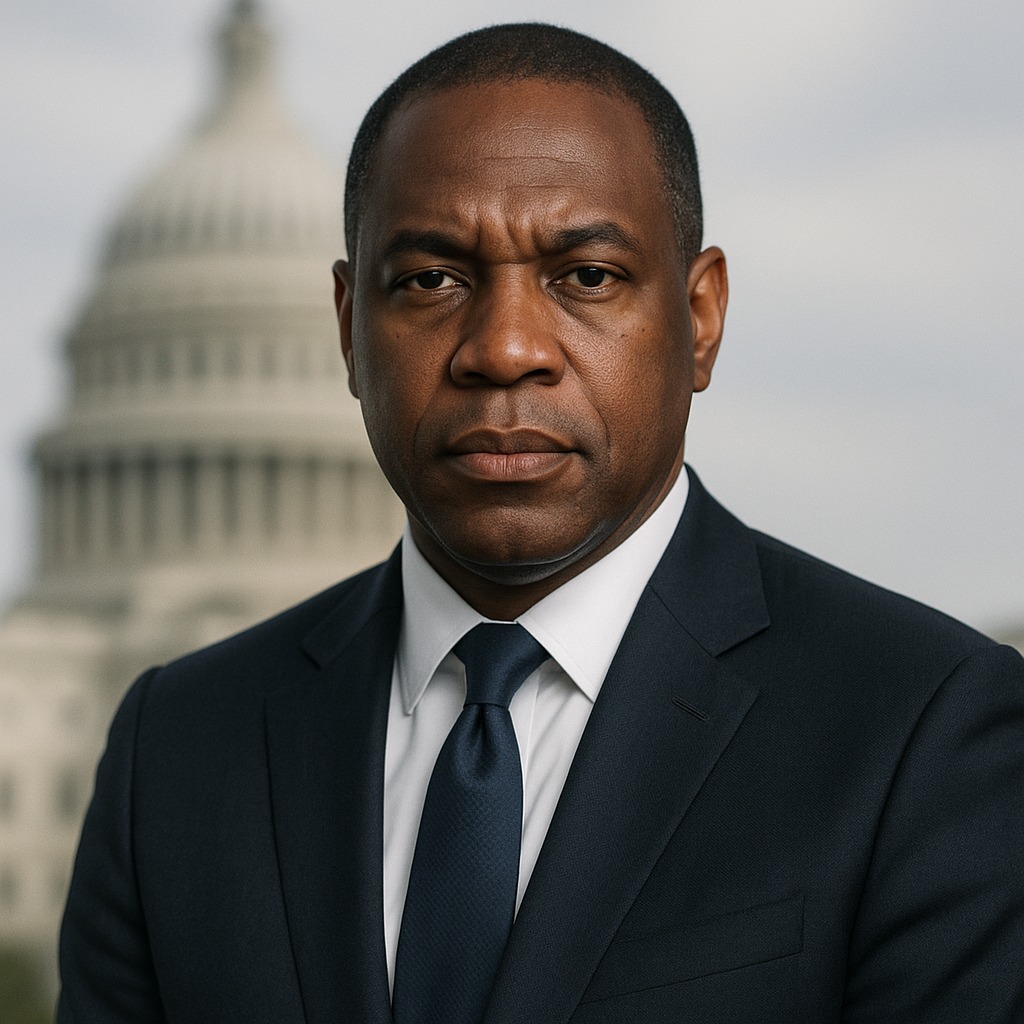
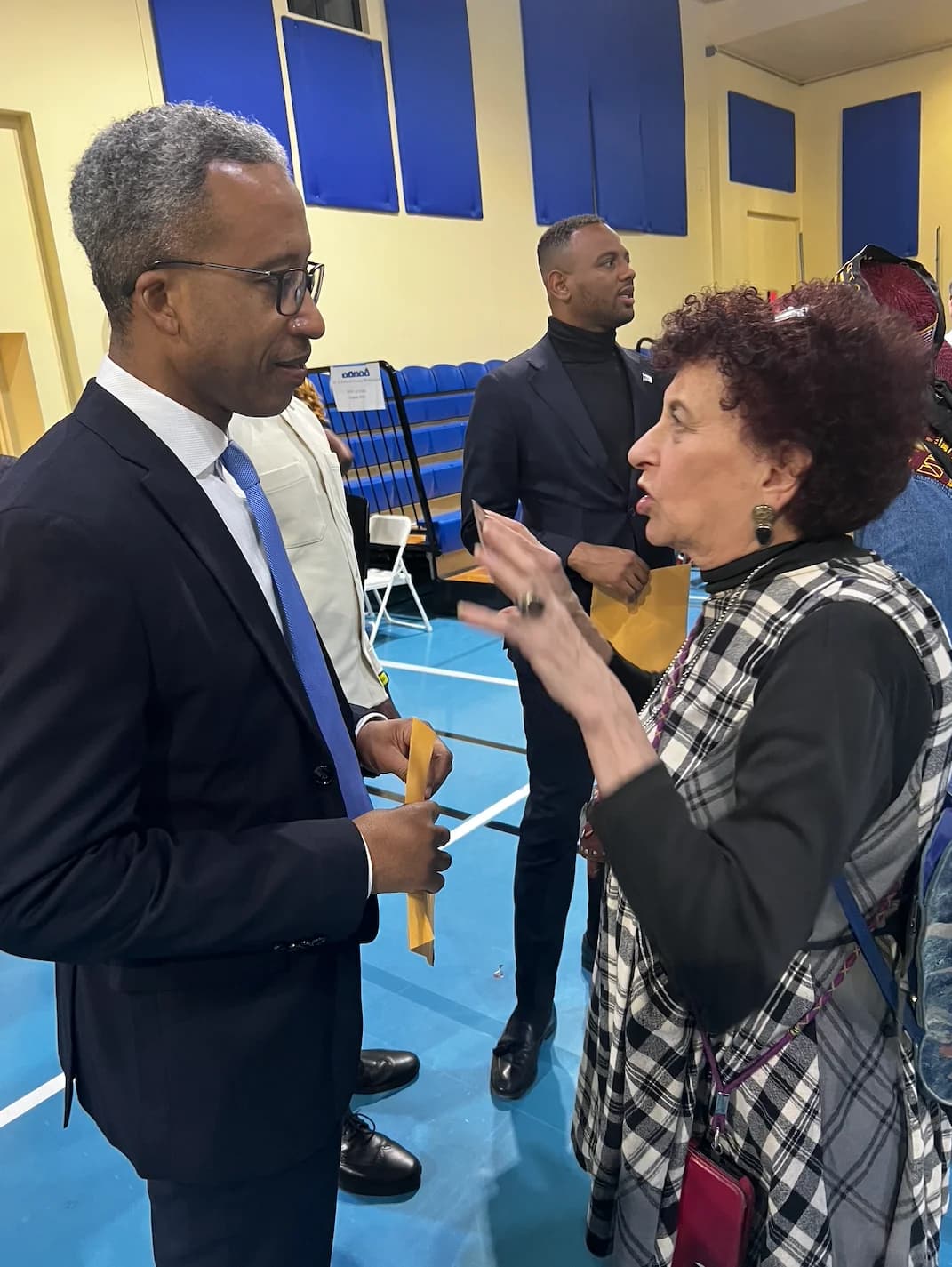
The District of Columbia Times reports a pivotal development in the District’s political and policy landscape: Kenyan McDuffie has resigned from the Council as he pivots toward a mayoral bid, triggering an interim replacement process for the at-large seat and setting the stage for a June 16, 2026, special election. The news arrives at a moment when the District’s tech and market policy discussions are intensifying, with executive oversight, budget planning, and urban development intersecting with a rapidly changing economic and digital landscape. The event is not merely a personnel change; it signals shifts in governance that could influence how the city prioritizes technology investments, housing affordability initiatives, and the regulatory environment for emerging tech and mobility projects. McDuffie’s resignation effective January 5, 2026 was confirmed in late December and publicly enacted in early January, before an appointment to fill the vacancy was announced and swiftly approved. This sequence creates a unique mid‑term transition for a Council that has historically used January swearing-ins to reset committee leadership, but is now navigating an interim appointment to sustain continuity while a longer-term electoral decision occurs. This report frames the development within the broader context of D.C.’s tech economy, public procurement, and market dynamics, emphasizing data-driven analysis and timely updates for residents and stakeholders. (Sources: Fox 5 DC reporting on the January 5, 2026 resignation; AFRO coverage of McDuffie’s resignation date; Washington Post and Axios reporting on interim appointment and context.) (fox5dc.com)
Section 1: What Happened
Resignation details
Kenyan R. McDuffie, who has served as an at‑large member and previously represented Ward 5, announced his decision to resign in December 2025, with the resignation taking effect on January 5, 2026. The formal withdrawal from the Council marks the end of more than a decade of public service in the District, during which McDuffie has been a focal point for housing policy, urban development, and economic strategy. This resignation was motivated by McDuffie’s decision to pursue the mayoralty, a move widely anticipated in the local political press and confirmed by multiple outlets. The Washington Post and Fox 5 DC reported on the mayoral bid and the timing surrounding the resignation, highlighting the potential implications for the balance of power within the Council and for policy continuity during the transition. The exact date of resignation — January 5, 2026 — has been consistently cited across major outlets. (Sources: FOX 5 DC, Washington Post, AFRO.) (fox5dc.com)
Announcement and context
In the weeks leading up to January 5, 2026, McDuffie publicly signaled his intention to run for mayor, a move that triggered the formal vacancy process under the District’s Home Rule framework. This step is notable because, in most circumstances, vacancies for at‑large seats are addressed through interim appointments rather than elections, until a special election can be scheduled. The political context of a mayoral race, combined with shifting budget considerations and ongoing tech‑sector policy debates, framed the resignation as a critical juncture for the Council’s policy trajectory and for District priorities around innovation, competitiveness, and equity. (Sources: Fox 5 DC; Washington Post.) (fox5dc.com)
Interim replacement and timeline
Following McDuffie’s resignation, the Council undertook an expedited appointment process to fill the vacancy on an interim basis. Doni Crawford, who had served as McDuffie’s Legislative Director and later as a policy lead for economic development initiatives, was appointed to the at‑large seat and sworn in as interim on January 20, 2026. The appointment was unanimously approved by the Council after public discussions and internal deliberations, with Chairman Phil Mendelson publicly backing Crawford’s selection. Crawford’s appointment ensures the Council maintains its full complement of eight wards and at‑large representation during a period of heightened fiscal planning and budget oversight. Her term as interim at‑large member is designed to last until the special election, slated for June 16, 2026, concurrently with the City’s primary elections. (Sources: Washington Post; DC Council official page; 51st.news coverage of interim appointment and timeline.) (washingtonpost.com)
The interim appointment and the party landscape
Crawford’s appointment is notable in the District’s nonpartisan context for at‑large seats and for the strategic considerations of party affiliation for a seat that is constitutionally nonpartisan in its mandate. Crawford, who had previously worked under McDuffie and who has a strong background in policy analysis and economic development, brings a data‑driven approach to governance. Appointed as an independent after a period of Democratic affiliation, Crawford’s background suggests an emphasis on budget oversight, accountability, and inclusive economic growth, aligning with the Council’s ongoing focus on affordability and sustainable growth. The appointment process itself drew scrutiny from some observers who argued for greater transparency or public engagement; however, most stakeholders recognized the need for a prompt and capable interim representative during the lead‑up to a high‑stakes election. (Sources: Axios profile of Crawford; Washington Post coverage; official DC Council materials.) (axios.com)
Election mechanics and the special election
Under the Home Rule Act, the District typically conducts a special election to fill an at‑large vacancy after an interim period. The 2026 cycle has been shaped by the timing of McDuffie’s departure and the city’s electoral calendar. The district’s 2026 special election is planned for June 16, 2026, to determine the occupant of the at‑large seat for the remainder of the term. This arrangement is designed to ensure the at‑large seat remains competitive and representative, with the June date aligning with the city’s primary election cycle to maximize voter turnout and streamline logistics. The exact scheduling and other procedural details have been the subject of analysis by local media and political observers, who have tracked the process closely as part of the broader governance narrative for 2026. (Sources: Wikipedia’s 2026 special election page for context; The Washington Post; local coverage.) (en.wikipedia.org)

Section 2: Why It Matters
Governance, accountability, and procedural dynamics
The Kenyan McDuffie resignation interim replacement DC Council 2026 sequence introduces a mid‑term governance dynamic that tests the District’s ability to balance expediency with transparency. The Council’s decision to appoint Crawford as interim is a practical response to ensure continuous representation and oversight during an active mayoral campaign and the planning of a June 2026 special election. The process raises questions about appointment criteria, transparency, and the public’s ability to assess the qualifications of interim officials. Several observers have highlighted concerns about how the selection was conducted, while others emphasized the importance of keeping the legislative branch functional during a period of fiscal deliberations and policy decisions tied to technology and market development. This dynamic is further complicated by the need to maintain continuity in critical policy areas, such as AI oversight, digital infrastructure, economic development, and affordable housing initiatives that intersect with tech sector growth. (Sources: Washington Post reporting on process and transparency concerns; 51st.news coverage on the interim appointment.) (washingtonpost.com)
Implications for technology policy and market trends
From a technology and market perspective, the interim period can influence how the District prioritizes investments in digital infrastructure, data governance, and innovation ecosystems. Crawford’s background in economic development and policy analysis—coupled with her experience managing budget oversight for the Council’s Committee on Business and Economic Development—positions her to emphasize data-driven policy decisions that affect tech sectors, startups, and regulatory frameworks. Axios notes her leadership experience and focus on small business growth and inclusive economic development, suggesting a governance approach that could shape procurement, zoning for tech campuses, and the deployment of smart city initiatives. In a city where tech policy intersects with housing affordability, workforce development, and infrastructure modernization, the interim leadership can affect how the city balances innovation incentives with resident protections. (Sources: Axios profile of Crawford; Washington Post profile; AFRO analysis of McDuffie’s resignation context.) (axios.com)

Broad impact on residents and stakeholders
Residents, small business owners, developers, and tech workers have a direct stake in how the interim appointment translates into tangible policy actions. Budget priorities, grant programs, and regulatory updates that affect startup capital access, procurement opportunities for local vendors, and the pace of infrastructure upgrades can all be influenced by who sits on the dais during this transitional period. The District’s ongoing emphasis on affordability, equitable development, and the digital economy means that even a short interim period can shape policy signals, investment decisions, and the public’s perception of the city’s readiness to compete in a post‑pandemic, technology‑driven economy. Local press and think tanks have highlighted the need for transparent, evidence‑based decision making to maintain trust and ensure that the interim council member can be held accountable for short‑term outcomes while the city completes its long‑term political calendar. (Sources: Washington Post analysis; Axios context; 51st.news coverage of the interim period.) (washingtonpost.com)
The broader political economy in 2026
The McDuffie transition must be understood within the broader 2026 political economy of Washington, D.C., where the mayoral race, budget cycles, and the city’s evolving tech economy intersect. McDuffie’s decision to pursue the mayoralty adds volatility to the City’s leadership lineup, while the interim appointment ensures that policymaking continues without a vacuum. The special election’s June date is a critical milestone, as it will determine whether Crawford’s interim authority translates into a longer tenure or whether a new councilmember will join the Council, potentially reshaping committee assignments and policy priorities during a crucial budget season. Observers expect debate over affordable housing, economic development, and the regulatory environment for emerging mobility and technology firms, with potential implications for how the city attracts investment and protects residents’ interests in a rapidly changing market. (Sources: Washington Post; Wikipedia summary of the 2026 election; AFRO recap of public responses.) (washingtonpost.com)
Impacts on market trends and investor sentiment
From a market perspective, the timing of the resignation and interim replacement could affect investor confidence and market signals in several ways. First, the continuity of economic development leadership matters for major city projects, including infrastructure modernization, broadband expansion, and procurement policies that incentivize local vendors and minority‑owned businesses. Second, the prospect of a special election in June 2026 could influence long‑range planning for urban tech clusters, coworking ecosystems, and gig economy support services, as stakeholders watch how the Council frames incentives and regulatory regimes during a period of budget tightening in a possible recessionary environment. Analysts expect market participants to monitor the interim council’s disposition on cost of living indicators, housing supply, and digital infrastructure investments, all of which shape the business environment and startup activity in the District. (Sources: Axios coverage of Crawford’s policy focus; Washington Post analysis of the governance landscape; 2026 election references.) (axios.com)
Section 3: What’s Next
Interim governance and oversight
With Doni Crawford serving as interim at-large councilmember, the District faces a defined window to address urgent policy questions while maintaining oversight of the mayoral transition and the city’s budget process. Key tasks include close monitoring of the city’s budget outlook, oversight of major initiatives in technology deployment, and continued support for affordable housing and inclusive economic growth. Crawford’s background as a policy analyst and her leadership role in economic development positions her to push for data‑driven metrics, performance dashboards, and transparent reporting to residents. The interim period is also a test case for how the Council handles governance continuity when a senior member leaves, including how committee leadership is realigned and how public engagement is structured to ensure broad input on the city’s tech and market strategy. (Sources: Washington Post; Axios profile; DC Council official materials.) (washingtonpost.com)
Next steps in the interim period
Several operational steps are anticipated in the weeks ahead. The Council is expected to finalize the interim appointment process, publish interim committee rosters, and begin the public vetting or outreach processes associated with the upcoming special election. While Crawford’s appointment is intended as a temporary measure, local observers will be watching for how the Council handles committee leadership transitions and how it communicates with residents about budget priorities that affect technology policy, procurement, and digital infrastructure investments. Additionally, the District’s election administrators will prepare for the June 16, 2026, special election, coordinating with political parties, candidate forums, and public information campaigns to ensure high voter engagement during a period of rapid policy change. (Sources: Washington Post; Wikipedia election timelines; 51st.news coverage.) (washingtonpost.com)
The path to the June 16, 2026 special election
The special election is a focal point for the District’s governance, and organizers anticipate robust participation given the visibility of McDuffie’s resignation and the public interest in the city’s technology and market policies. The June 16 date aligns with the city’s primary calendar and is designed to maximize turnout and minimize scheduling conflicts with other municipal races. Candidates will compete for the remainder of the current term, with the winner serving until the end of the term and facing reelection in subsequent cycles. Media coverage, candidate forums, and debates are expected to emphasize two themes: the future of D.C.’s tech economy and how the city plans to fund infrastructure and housing initiatives that enable tech workers and small businesses to thrive. The interim councilmember will need to maintain policy momentum and ensure that ongoing projects remain on track while the electoral process unfolds. (Sources: Washington Post; Wikipedia election page; local reporting from Axios and AFRO.) (washingtonpost.com)
What residents should watch for
Residents should monitor several developments in the weeks ahead:
- Budget proposals and amendments that reveal where the Council intends to prioritize technology investments, public‑private partnerships, and digital infrastructure upgrades.
- Public engagement initiatives by Doni Crawford or the Council that illuminate how the interim leadership plans to solicit resident input on tech and market policy.
- Candidate activity and forums for the June 16, 2026 special election, including the list of contenders and the issues they emphasize around affordability, innovation, and governance transparency.
- Any reforms to procurement processes, city data governance, and oversight mechanisms that may streamline technology projects or increase accountability.
(Cited coverage: Washington Post reporting on the process and public reaction; Axios reporting on Crawford’s background and policy focus; AFRO reporting on McDuffie’s resignation and mayoral bid.) (washingtonpost.com)
Closing
The Kenyan McDuffie resignation interim replacement DC Council 2026 sequence embodies a moment of transition for the District’s governance, with immediate implications for technology policy, budget oversight, and urban development. The interim appointment of Doni Crawford ensures continuity in representation while the city proceeds toward a June special election that could reshape the Council’s policy priorities for the next two years. For residents and market participants, the key question remains: how will the new configuration of leadership balance the District’s ambitions in technology, innovation, and equitable growth with the practical realities of a tight budget and a dynamic national economy? As the District enters a period of heightened policy focus on technology and market trends, the coming months will reveal how the Council translates data-driven insights into actionable strategies that benefit all eight wards and the District’s thriving tech ecosystem. Stay tuned to District of Columbia Times for ongoing coverage, including updates from the Council, the mayoral campaign implications, and how the interim leadership navigates the city’s evolving technology and market landscape. (Sources: Washington Post; Fox 5 DC; Axios; AFRO; DC Council official pages.) (washingtonpost.com)