Hidden DC Parks and Gardens 2026: Quiet Green Spaces

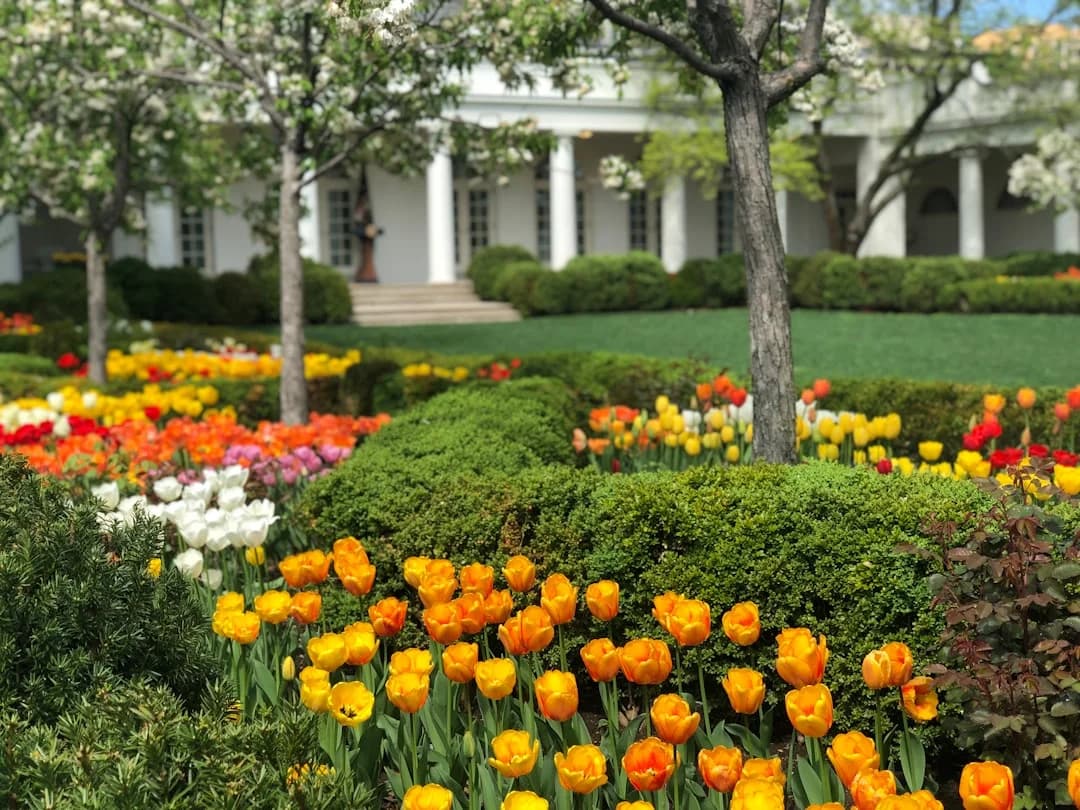
Photo by Megan Soule on Unsplash
The District of Columbia Times is launching a data-driven look at the city’s quieter cornerstones of green space in 2026. As spring settles over Washington, planners and communities are turning a sharper eye toward areas often overlooked in favor of iconic fountains and well-trodden trails. The focus is not just on beauty or serenity; it’s about access, resilience, and the evolving role of parks and gardens in a dense, tech-forward city. In 2026, the conversation about hidden DC parks and gardens is increasingly anchored in open data, governance plans, and the broader push to expand equitable access to nature for residents and visitors alike. hidden DC parks and gardens 2026 has emerged as a shorthand for uncovering the city’s lesser-known green spaces, and this feature examines what that phrase means in practice as the year unfolds. The District is marking its 250th anniversary in 2026, a backdrop that amplifies efforts to showcase both the celebrated and the lesser-known green places that contribute to urban life, wellness, and environmental health. (washingtonpost.com)
Across city planning and public engagement, officials are stressing that DC’s parks and open spaces are not just for weekends or tourists. They are strategic assets for public health, climate resilience, and local economies. The National Park Service’s ongoing rehab and restoration work in and around the city’s federal parks, aimed at presenting a more inviting and durable public realm ahead of large-scale commemorations in 2026, underscores a broader commitment to green infrastructure. While much attention has been paid to famous landmarks, there is growing emphasis on the quieter pockets—pocket parks, rehabilitated stream corridors, and small garden plots—that help knit neighborhoods together. The trend aligns with major planning documents released in early 2026, which call for protecting and expanding park networks, improving access, and integrating green space into transportation and housing planning. This data-informed approach is shaping both public perception and policy around hidden DC parks and gardens 2026. (washingtonpost.com)
Section 1: What Happened
Citywide Mapping Initiative
In early 2026, District planners and partner organizations intensified efforts to map and document DC’s park system beyond the well-known anchors. Open data portals and city planning channels began highlighting less-visible greenspaces as part of a larger trend toward transparent, data-driven park planning. The District’s open data ecosystem—emphasizing datasets for parks, recreation, and open space networks—provided a framework for aggregating information about pocket parks, small gardens, and other under-the-radar spaces that contribute to urban livability. This shift is consistent with the city’s long-term commitment to accessible outdoor spaces and the explicit aim to weave green networks into broader urban planning goals. The approach aligns with the District’s statewide and citywide planning tools, including open-space network planning and master plans, which emphasize equitable access to parks as a core objective. (dc.gov)

A key signal came from the National Capital Planning Commission and related DC planning documents, which in January 2026 adopted revisions to the Comprehensive Plan underscoring the importance of protecting and enhancing parks and open spaces for recreation, symbolism, education, and environmental stewardship. The plan notes that strong open-space networks are foundational to a vibrant urban core and a resilient city, particularly as DC approaches major commemorative milestones in the mid- to late 2020s. City officials and researchers have cited the SCORP framework and master-plan processes as the basis for broader investments in less-visible green spaces, including potential pilots and community-led improvements. The net effect is a more systematic, data-supported approach to identifying and prioritizing hidden DC parks and gardens 2026 as legitimate elements of the city’s green infrastructure. (ncpc.gov)
Kenilworth Park & Aquatic Gardens stands out as a prime example of the kind of “hidden” green space that planners want to bring into clearer view. The National Park Service describes Kenilworth as an oasis “hidden behind trees and cattails,” a description that captures the sense in which some of DC’s most valuable ecological spaces remain tucked away from quick sightlines. With ongoing river-edge restoration and marsh restoration projects, Kenilworth embodies the type of urban nature that a data-driven DC aims to map, monitor, and connect to nearby neighborhoods. The case underscores why a 2026 focus on hidden DC parks and gardens is more than a PR effort—it’s a practical step toward integrating ecological assets into daily urban life. (nps.gov)
A related signal comes from the District’s broader environmental and urban-planning discourse. Public-facing reports and press coverage in 2026 flagged a broader effort to rehabilitate and improve accessibility to city parks in the run-up to major celebrations in 2026, including a renewed emphasis on public-funding transparency and community engagement in park projects. The Washington Post highlighted a National Park Service funding push for park improvements in early 2026 as part of a larger nationwide effort to refresh infrastructure before the nation’s 250th anniversary. While the article details federal finances rather than a purely local initiative, it situates the District’s park improvements in a national context and reinforces why hidden DC parks and gardens 2026 are receiving increased attention from journalists and city watchers alike. (washingtonpost.com)
Notable Hidden Spaces Highlighted
Beyond Kenilworth, DC’s landscape is peppered with small, lesser-known green spaces that locals cherish for lunchtime strolls, weekend picnics, or quiet study sessions. Pocket parks tucked between rowhouses, little-known community gardens, and narrow greenways along underpass corridors collectively form a quiet but essential layer of the city’s open-space network. Washington’s urban fabric benefits when planners illuminate these spaces, make data about them accessible, and invite community input on enhancements. The Open Data ecosystem—the District’s public data portals and GIS resources—facilitates this kind of transparency and participatory planning, enabling residents to discover and contribute to the city’s hidden green assets. In other words, the 2026 focus on hidden DC parks and gardens 2026 is as much about citizen discovery as it is about official designation. (ipaddress.com)
On the ground, a number of pocket parks and lesser-known green pockets have become focal points for community-led improvements and volunteer stewardship. For example, small urban oases and gardens, sometimes perched near transit corridors or in edge-neighborhoods, have drawn attention from local non-profits and volunteer groups that organize cleanups, native-plant plantings, and small-scale improvements. The Potomac Conservancy’s 2026 cleanup event at Anacostia Park is representative of a broader civic trend: communities using organized volunteer efforts to maintain and improve park spaces that might otherwise be overlooked in city budgets. These efforts illustrate how hidden DC parks and gardens 2026 spurs collaboration among residents, nonprofits, and city agencies to extend the reach of public green space beyond traditional amenities. (potomac.org)
The practical takeaway for readers is simple: while DC’s most famous parks will always attract attention, the city’s hidden spaces—whether a tucked-away garden, a micro-park, or a gardened alleyway—are increasingly visible in policy conversations, planning documents, and civic life. As DC officials emphasize, openness, data, and community engagement are the pillars of a park system that serves all residents, not just those who live near the most celebrated spaces. The data-driven emphasis on hidden DC parks and gardens 2026 reflects a broader belief that a more inclusive green network strengthens neighborhoods and diversifies the city’s green economy. (dpr.dc.gov)
Public-Private Partnerships and Community Groups
A growing feature of the 2026 landscape is the expanding role of public-private partnerships in maintaining, improving, and programming hidden DC parks and gardens 2026. Community organizations increasingly collaborate with DPR and other city agencies to sponsor plantings, park improvements, and stewardship programs that extend beyond traditional municipal capabilities. The Potomac Conservancy example demonstrates how non-government actors can mobilize volunteers and resources to tackle local park priorities, including those in lesser-known spaces. Such partnerships help bridge funding gaps, accelerate project timelines, and deepen community ownership of green spaces that might otherwise be neglected. The result is a more vibrant, responsive park system that better reflects the city’s diverse neighborhoods while also contributing to ecological resilience. (potomac.org)

Section 2: Why It Matters
Access and Equity
DC planners repeatedly emphasize that access to parks and open spaces is a matter of equity as much as it is of recreation. The District’s planning framework and open-space policies explicitly seek to connect residents to abundant green assets—regardless of neighborhood wealth, tax base, or proximity to the central city. The state-of-the-city approach to open space involves networked green infrastructure, coordinated across federal and local jurisdictions, to create walkable access to parks and gardens throughout the District. The policy backbone for this approach is evident in the Comprehensive Plan and SCORP-style planning documents that stress equitable distribution of green space and the value of hidden DC parks and gardens 2026 as part of a fair, inclusive urban fabric. As planners note, equitable access to green space supports health, educational outcomes, and resilience in the face of climate stressors, which makes the push toward uncovering and expanding hidden spaces a pragmatic policy choice as well as a public-relations opportunity. (ncpc.gov)

Accessible green spaces also have practical consequences for daily life. Residents who cannot afford extensive private outdoor space gain a personal and communal benefit from more accessible parks, pocket greens, and small gardens—especially in dense neighborhoods where sun exposure and cooling benefits from trees matter during heat waves. Public-facing park lists, find-a-park tools, and open-data maps make it easier for people to discover hidden DC parks and gardens 2026 near their homes or workplaces, supporting healthier lifestyles and more frequent outdoor activity. The District’s public-facing park inventory and open-data initiatives are designed to support this outcome, reinforcing the link between transparency, equity, and the city’s long-term livability goals. (dpr.dc.gov)
Economic and Tourism Impacts
Hidden DC parks and gardens 2026 also hold potential for economic and tourism implications. While iconic attractions draw crowds and generate spillover revenue, the city’s quieter greenspaces contribute to local commerce in subtler ways: neighborhood-friendly amenities, micro-tourism, and opportunities for small businesses that offer guided garden tours, outdoor classes, or neighborhood picnics and events. When city planning documents discuss open-space networks and the use of green space as a driver of quality-of-life improvements, they implicitly recognize the economic value of accessible, well-maintained parks at all scales. The NPS-led restoration initiatives and the broader federal-state collaboration on park infrastructure signal a capital cycle that can ripple through local economies as maintenance, programming, and seasonal events attract visitors and heighten neighborhood appeal. The Washington Post piece on NPS investments in 2026 illustrates how federal funding and national-level anniversaries can create a favorable environment for local park enhancements, including hidden spaces that become part of the city’s brand story. (washingtonpost.com)
From a market-analysis perspective, the data-driven spotlight on hidden DC parks and gardens 2026 helps attract attention to ancillary sectors—habitat restoration services, native-plant nurseries, landscape architects focusing on micro-sites, and digital mapping and GIS services used to portray green networks. City planners’ emphasis on open-space networks and the state-of-the-DC SCORP frame reflects a growing recognition that green space is a public asset whose value can be quantified and optimized in urban economics. In this sense, hidden DC parks and gardens 2026 become a signal for a broader market opportunity in urban greening, data-enabled planning, and community-led conservation. (dpr.dc.gov)
Environmental and Urban Resilience
The environmental rationale for illuminating hidden green spaces is robust. Parks and open spaces play a crucial role in stormwater management, cooling, carbon sequestration, and biodiversity in a dense urban setting. The District’s open-space planning and five-year master-plan efforts reflect a commitment to weaving green infrastructure into transportation networks, neighborhoods, and public facilities. By expanding and better documenting hidden pockets of nature, DC can improve heat mitigation, support pollinator habitats, and create more resilient urban microclimates. The SCORP framework and the DPR’s own planning documents emphasize these environmental benefits, underscoring why 2026 is a pivotal year for updating and expanding the city’s hidden green assets as part of a resilient future. (dpr.dc.gov)
Section 3: What’s Next
Timelines and Milestones
Looking ahead, the District projects an ongoing sequence of steps to operationalize the focus on hidden DC parks and gardens 2026. January 2026 saw the Comprehensive Plan revisions move forward, signaling policy momentum for protecting and enhancing park networks; the plan’s emphasis on open-space networks remains a guiding framework for subsequent actions. In 2026–2027, expect further refinement of the city’s five-year park and recreation plan, potentially including pilot projects in pocket parks and community gardens, increased funding for minor improvements, and expanded public-engagement efforts to solicit resident ideas about which spaces should be prioritized next. The District’s planning apparatus also references RFK Campus redevelopment planning as a potential long-run site for integrated green-space design guidance, with milestones targeted for late 2026 through 2027. If these timelines hold, readers can anticipate concrete announcements or community meetings about specific hidden DC parks and gardens 2026 projects at neighborhood scales. (ncpc.gov)
In parallel, open-data and mapping initiatives are expected to deliver more robust, interactive tools that help residents locate lesser-known green spaces, view amenity data (plant types, shade coverage, accessibility), and contribute observations via civic tech channels. The District’s Open Data DC ecosystem and GIS portals are central to this effort, enabling dynamic updates as communities identify new green assets, advocate for improvements, and document environmental changes. For readers, this means more opportunities to engage with the process, provide input on which hidden spaces deserve attention, and track progress as 2026 unfolds. (ipaddress.com)
How Residents Can Engage
Residents who want to participate in the 2026 push for hidden DC parks and gardens can start with practical steps:
- Explore open-space maps and data portals to locate pocket parks, community gardens, and other small green spaces near you. Open Data DC and the DC GIS data catalogs offer searchable layers and dashboards you can use to plan visits or propose improvements. (ipaddress.com)
- Attend public meetings or participate in volunteer cleanups and plantings organized by nonprofits and city agencies. The Potomac Conservancy’s 2026 events demonstrate how community groups mobilize to steward local greenspaces, a pattern likely to continue as the year progresses. (potomac.org)
- Provide feedback through official channels on park improvements, accessibility, and safety. DC’s open-government framework makes it possible to submit input and track responses, supporting a more participatory model of park management. (dc.gov)
- Follow agency updates from DPR, NCPC, and the District’s planning office for milestones and new pilot programs related to hidden parks and gardens. The official planning portal and DPR’s ward-focused resources provide regular updates on parks, gardens, and recreation facilities. (dpr.dc.gov)
What to watch for in the months ahead includes announcements about minor capital improvements in pocket parks, new plantings that emphasize native species and climate resilience, and data releases that help quantify usage patterns and ecological benefits of smaller green spaces. The federal and city-level alignment around major anniversaries in 2026 creates a backdrop for these improvements, which could translate into tangible enhancements for hidden DC parks and gardens 2026. (washingtonpost.com)
Closing
As DC 2026 unfolds, the District’s attention to hidden DC parks and gardens 2026 reflects a mature, data-driven approach to urban nature. The city’s open data infrastructure, planning documents, and collaborative ecosystem signal a future in which small green spaces are not afterthoughts but essential components of city life. Residents will likely see more discoverable, accessible green spaces—paired with better information about how to use and maintain them—throughout 2026 and beyond.
To stay updated, readers should follow open-data portals and official DPR updates, as well as district planning communications that emphasize open-space networks. These channels are where new pocket parks, community-garden initiatives, and small-scale green infrastructure projects will first appear, alongside the larger citywide initiatives that frame their development. The ongoing work to illuminate hidden DC parks and gardens 2026 underscores a broader shift toward transparent, inclusive, and sustainable urban design—one that invites every neighborhood to claim a piece of the city’s green future.
As we continue to report on this topic, expect deeper dives into specific spaces, case studies of successful community-led improvements, and data-driven assessments of how hidden green spaces contribute to health, resilience, and local economies. The District’s evolving approach to parks and gardens—especially the quieter corners—promises to reshape how residents experience DC’s urban outdoors in 2026 and in the years that follow. In short, the quiet green spaces of DC are stepping into the light, and their stories are just beginning. (ncpc.gov)