Feb 6 2026 Iran-related Executive Order: US Action & Markets
The District of Columbia Times is delivering a data-driven update on a watershed policy moment: the Feb 6 2026 Iran-related executive order issued by the White House to address threats from the Government of Iran. The order, issued on Friday, February 6, 2026, and with a closely watched effective date of February 7, 2026, marks a formal, broad toolkit intended to constrain Iran’s economic and strategic footprint. It comes as U.S. agencies outline new authorities under IEEPA, the National Emergencies Act, and related statutes to tighten financial and trade controls. The move matters not only for Iran’s economy and foreign policy but also for global technology supply chains, commodity markets, and the risk calculus that drives corporate strategy in the United States and abroad. As the White House notes, the action builds on a long-running framework of sanctions and emergency powers designed to counter perceived threats to U.S. national security, foreign policy goals, and economic stability. (whitehouse.gov)
Simultaneously, the U.S. Treasury’s Treasury Department Office of Foreign Assets Control (OFAC) issued targeted designations on February 6, 2026, adding new entries to the Specially Designated Nationals (SDN) list and expanding the roster of entities tied to Iran’s economic and logistical networks. The Iran-related designations identified two individuals and fifteen entities, expanding the reach of sanctions across shipping, energy, and financial channels. The list includes individuals such as Mehmet Ozsuren and Akash Anant Shinde, and multiple corporate and vessel designations linked to Iran’s trade and illicit networks. This action complements the executive order by aiming to choke off funding and operational pathways that sustain Iran’s government and its broader regional influence. The designations were published as part of a February 6, 2026 OFAC update. (iranwatch.org)
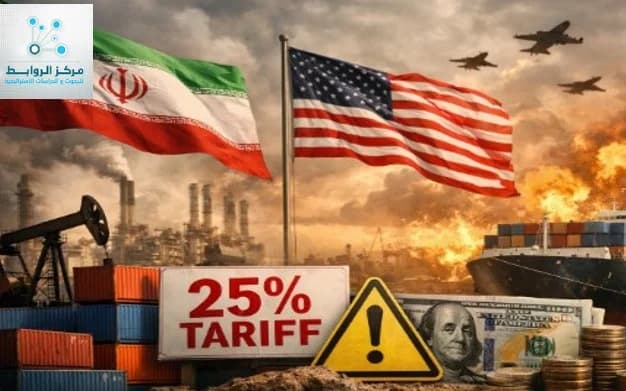
Taken together, the Feb 6 2026 Iran-related executive order and the accompanying sanctions action underscore a continued U.S. focus on constraining Iran’s access to international markets, technology, and financial networks. The White House framing emphasizes a renewed emphasis on national security and foreign policy objectives, with explicit references to past executive orders and a continuing national emergency declaration. The order also contemplates a tariff-based mechanism that could affect goods sourced from Iran or from countries that directly or indirectly purchase Iranian goods or services. In practice, this could ripple through technology and energy markets, given Iran’s role in global energy flows and supply chains that intersect with high-tech manufacturing, components, and logistics. The White House notes that this tariff framework would be implemented through rules and guidance issued by key agencies, including the Secretary of State, the Secretary of Commerce, and the United States Trade Representative. (whitehouse.gov)
Opening (continued clarity on the context) The Feb 6 2026 Iran-related executive order arrives in a broader policy and diplomatic cadence that includes ongoing discussions about Iran’s nuclear program, regional dynamics, and the international community’s response to Tehran’s actions. In the weeks leading up to February 6, 2026, U.S. officials and international partners were closely watching indirect talks between the United States and Iran in Geneva and in Oman, with a focus on reducing regional tensions while maintaining scrutiny over Iran’s nuclear and missile activities. While those negotiations have produced moments of cautious optimism, policymakers warn that the path to a durable agreement remains uncertain, and that sanctions-and-tariffs remain a central lever to deter activities the U.S. attributes to Iran’s government. The White House and allied governments have stressed that any policy tool, including tariffs, would be calibrated to national security needs while aiming to avoid unintended harm to international markets. (whitehouse.gov)
What Happened
The Legal Text and Effective Date
The executive action titled Addressing Threats to the United States by the Government of Iran was issued on February 6, 2026, with the stated objective of responding to what the administration characterizes as an ongoing threat to national security, foreign policy, and the U.S. economy. The document situates the action within a long line of prior measures (including EO 12957 and EO 13846) and asserts that the national emergency declared in those orders remains in effect. The order explicitly cites the International Emergency Economic Powers Act (IEEPA) and the National Emergencies Act as the legal scaffolding for the measures, and it directs relevant agencies to implement and adjust policies as circumstances change. Notably, it contemplates the imposition of an additional ad valorem duty on certain imports to reflect the national emergency’s ongoing impact and to coordinate with broader sanctions regimes. The effective date for enforcing these measures is 12:01 a.m. Eastern Standard Time on February 7, 2026. (whitehouse.gov)
The executive action underscores a strategic approach that leverages both sanctions enforcement and trade authorities to influence Iran’s economic levers. The policy framework acknowledges that, while sanctions can constrain Iran’s revenue streams, they also require careful administration to avoid disruption to global supply chains and allied economies. The White House language emphasizes a thorough, agency-led implementation path—one that will rely on interagency coordination among the State Department, the Treasury, and the Commerce Department, among others, to issue rules and guidance that operationalize the tariff and related measures. This structuring is intended to facilitate targeted actions against specific Iranian actors while enabling broader economic pressure that supporters say can deter undesirable behaviors. (whitehouse.gov)
The Sanctions and Their Targets
Coinciding with the executive order, OFAC published a February 6, 2026 designations update adding new entries to the SDN list. The update enumerates a set of individuals and entities linked to Iranian trade networks, including shipping lines and front companies that have facilitated or concealed Iran’s economic activities. The update names two individuals—Mehmet Ozsuren and Akash Anant Shinde—along with a slate of fifteen entities and associated vessels. The designation of these actors is framed within OFAC’s broader mission to inhibit illicit financial flows and to disrupt the cross-border networks that support Iran’s political and military objectives. The February 6, 2026 designations are presented as part of a broader strategic push that includes public discussions about the boundaries of sanctions and the enforcement tools available to U.S. authorities. The Sanctions List Update also references related library documents on sanctions methodologies and “the Shadow Fleet” narratives, underscoring the legal and regulatory complexity of these measures. (iranwatch.org)
The designations reflect a continuing effort to widen the net on Iran-related activities that U.S. officials view as enabling state-backed risk—from revenue streams that sustain the regime to logistics networks that facilitate sanctions evasion. By naming both individuals and corporate entities, OFAC signals a multi-pronged approach: it aims to deter direct Iranian actors, disrupt intermediary networks, and constrain third-country companies that engage in business with Iran through financial channels that bypass or undermine U.S. and allied sanctions regimes. The immediate markets and policy consequences depend in part on how foreign partners respond—whether they adjust supply chains, diversify sources, or seek exemptions or waivers under the evolving guidance. (iranwatch.org)
Timeline at a Glance
- February 6, 2026: The White House issues the Feb 6 2026 Iran-related executive order, establishing a framework for new authorities and a tariff-based mechanism to address imported goods tied to Iran. The order explicitly references IEEPA, the National Emergencies Act, and related authorities, and sets the stage for future implementing regulations. The page confirms the executive action date and the legal authorities invoked. (whitehouse.gov)
- February 6, 2026: OFAC reveals an Iran-related designations update, adding two individuals and fifteen entities to the SDN list, with broader implications for shipping, energy, and finance networks tied to Iran. The listing and associated documents illustrate the U.S. government’s intent to close off conduits that support Iranian state activity. (iranwatch.org)
- February 7, 2026 (12:01 a.m. EST): The tariff and related measures become effective, subject to the agency rules and implementation guidance that would follow. This dates the policy into the operational phase, with immediate implications for importers and multinational supply chains that touch Iran or Iran-linked trade. (whitehouse.gov)
- Ongoing: As U.S. officials implement the policy, markets and international partners monitor the policy’s breadth and enforcement. Media coverage and policy analysis emphasize the policy’s potential implications for energy markets, technology procurement, and cross-border commerce. The policy context includes ongoing Iran-U.S. discussions about nuclear and security issues. (theguardian.com)
The sequence above reflects the current, publicly documented facts from official U.S. government sources and credible policy tracking outlets. Unlike some commentary in tabloid or speculative outlets, the core dates and designations cited here derive from primary documents and government summaries. For readers seeking a precise, source-backed chronology, the White House presidential actions page and the OFAC designations update provide contemporaneous references. (whitehouse.gov)
Why It Matters
Implications for Technology and Market Dynamics

The Feb 6 2026 Iran-related executive order, with its tariff mechanism and expanded sanctions oversight, creates a new layer of regulatory risk for multinational technology and industrial supply chains. While the policy explicitly targets goods and services from Iran and those purchased by foreign countries that indirectly support Iran, the broader signal is a sustained U.S. posture toward what policymakers describe as strategic threats. Firms with complex global supply chains—particularly those in semiconductors, advanced manufacturing, and high-tech components—face implications for sourcing, compliance, and geopolitical risk management. Tariffs can alter the cost of goods that rely on cross-border components, and they can influence supplier diversification decisions in ways that ripple through product development and pricing. Analysts note that the tariff regime provides a lever that can be adjusted in response to geopolitical developments, potentially affecting both short-run costs and longer-run investment planning. The White House frames this authority as part of a coherent national-security strategy designed to deter behavior while maintaining a pathway for policy adjustments as conditions evolve. (whitehouse.gov)
From a technology-policy perspective, the executive order intersects with issues around export controls, sanctions regimes, and tech transfer risk. Although the order foregrounds tariff-based mechanisms, the broader framework situates Iran within a matrix of sanctions that can indirectly affect technology supply chains—especially where Iran’s procurement networks overlap with global trade corridors. In practice, technology firms may experience increased due diligence and heightened compliance costs as they navigate sanction lists, end-use prohibitions, and potential secondary sanctions risk in multilateral supply chains. The Iranian designations update published by OFAC on February 6, 2026, highlights the continued emphasis on transparency and enforcement, signaling that sanctioned actors and networks will be closely monitored across international jurisdictions. This environment reinforces the importance for global supply-chain managers to map Iranian-linked exposures and to assess business continuity plans amid regulatory uncertainty. (iranwatch.org)
Economic and Geopolitical Context
The policy development occurs in a broader international context characterized by ongoing discussions about Iran’s nuclear program and regional influence. Reports of indirect talks and evolving diplomatic channels have framed the policy as part of a broader strategy to deter escalation while leaving room for negotiated outcomes. In this light, the Feb 6 2026 executive order can be viewed as both a signaling device and a practical tool, used to maintain leverage during delicate diplomacy. Analysts and observers note that markets tend to react to policy signals—whether through shifts in energy prices, equity valuations, or currency moves—especially when talks are at a critical juncture. The energy sector, in particular, has historically shown sensitivity to geopolitical developments in the Persian Gulf, given Iran’s role in global oil markets. Some market coverage around early February 2026 noted volatility tied to U.S.-Iran diplomatic activity, even as negotiations continued. While causal links between a single executive order and price movements are complex, the policy’s timing reinforces a view that geopolitical risk remains a persistent, decision-relevant factor for investors. (theguardian.com)
Who It Affects
- Sanctioned entities and individuals: The OFAC designation expands the universe of actors subject to asset freezes, bans on U.S. persons’ dealings, and enhanced vigilance for correspondent banking and trade financing. The February 6, 2026 listing includes specific individuals and corporate entities, spelling out how the U.S. government intends to disrupt financial and logistical channels. This affects not only Iranian actors but also third-country companies and vessels that interact with Iran-linked networks, creating a broader compliance and risk-management footprint for multinational players. (iranwatch.org)
- Global traders and shippers: The sanction designations and tariff provisions can influence shipping routes, insurance costs, and freight rates as participants reassess the risk profile of Iranian-linked shipments and the countries that trade with Iran. Market observers have discussed the potential for shifts in energy trading and related markets during periods of heightened strategic uncertainty, with potential short-term volatility around key dates and negotiations. (iranwatch.org)
- U.S. and international partners: The policy framework invites scrutiny from allies and competitors about how sanctions are enforced, how tariffs are calibrated, and how enforcement resources are allocated. International partners may seek clarifications, exemptions, or alignments with their own national-security and trade policies. The ongoing diplomacy and the policy’s implementation details will shape how other economies perceive U.S. risk tolerance and the stability of cross-border trade relationships. (whitehouse.gov)
Contextual Background: A Long Row of Measures
To understand the Feb 6 2026 Iran-related executive order, it helps to review the continuity of U.S. policy across multiple administrations and executive actions. The White House document itself traces a lineage of prior orders and explains how the national emergency declared decades earlier (Executive Order 12957, dated 1995) has been expanded through subsequent actions, including those targeting Iran’s energy sector, weapons programs, and support for proxy networks. The policy architecture is designed to adapt to changing conditions, including Iran’s evolving economic strategies, and to维utf8 address a broad set of national-security concerns. This historical framing provides readers with a sense of how the current order fits into a longer arc of U.S. sanctions policy and why it uses both sanctions designations and tariff authorities as complementary tools. (whitehouse.gov)
What’s Next
Implementation Timeline and Next Steps
With the February 7, 2026 effective date, the policy enters an initial implementation phase in which agencies will issue implementing rules, regulatory guidance, and administrative procedures to operationalize the tariff regime and related sanctions authorities. The White House language emphasizes an interagency process to determine whether and when to apply additional duties, how to determine country-level findings of Iran-linked purchases, and how to coordinate with the U.S. Trade Representative, the Department of Commerce, and the Department of the Treasury to monitor and adjust policies. In practical terms, companies with supply chains that touch Iran or Iran-linked networks should expect to see more detailed guidance and potential temporary exemptions or compliance pathways as agencies publish regulatory text and field questions from industry. The policy’s success will hinge on the clarity and speed of guidance, as well as the adaptability of enforcement to new information and evolving geopolitical conditions. (whitehouse.gov)
Watch Points for Tech Companies and Market Participants
- Compliance and risk management: The expanded SDN list and the tariff framework require robust compliance programs. Companies should refresh sanctions screening, red-flag transaction monitoring, and end-use checks for any Iran-related transactions or indirect links in cross-border supply chains. The Iran-related designations list provides concrete examples of the kinds of entities and networks that may be targeted, reinforcing the need for vigilant due diligence across vendors, partners, and freight forwarders. (iranwatch.org)
- Supply chain diversification: Tariffs and sanctions risk can push firms to diversify suppliers or redesign product architectures to avoid Iranian-linked components or markets. This is particularly relevant for sectors with global sourcing footprints, including electronics, automotive, and industrial equipment. Market observers have noted that policy shifts can influence cost inflation, supply disruption risk, and the timing of capital investments in supply-chain resilience. While the exact tariff rates and eligible product categories will be defined in subsequent guidance, the potential for changes in sourcing costs makes proactive supply-chain planning prudent. (whitehouse.gov)
- Financial markets and energy: The policy can influence energy pricing dynamics and the cost of capital for companies with exposure to Iranian trade or to markets sensitive to geopolitical risk. Analysts and market coverage in the days surrounding early February 2026 highlighted sensitivities in oil and regional equity markets as investors weighed diplomacy and sanctions developments. Observers caution that tariff actions can have second-order effects on energy markets and on equities with exposure to the Middle East and global shipping lanes. Ongoing monitoring will be essential for traders and corporate treasurers alike. (businessday.co.za)
- International diplomacy and partnerships: How other nations respond—whether through sanctions alignment, carve-outs, or new trade routes—will shape the policy’s global impact. The U.S. approach to Iran is intertwined with broader strategic considerations, including discussions around nuclear stability, regional balance of power, and international trade norms. Diplomats, policymakers, and business leaders will want to track statements from allied capitals, potential exemptions, and the evolution of enforcement cooperation. Coverage of ongoing talks and diplomatic signals provides essential context for readers who want to connect policy actions to real-world consequences. (theguardian.com)
What to Watch For in the Coming Weeks and Months
- Agency guidance and regulatory text: Expect published rules from the Treasury, State, and Commerce departments detailing how the tariff regime will operate, which product categories are covered, and how determinations of “directly or indirectly” purchasing Iran-related goods will be evaluated. The interagency structure described by the White House indicates a process-driven transition from proclamation to practice, with policy adjustments possible as new information arises. (whitehouse.gov)
- Updates on sanctions designations: The OFAC designation activity on February 6, 2026, provides a sampling of targeted actors; anticipate possible further updates in the weeks ahead as enforcement efforts expand or refine targeting. Firms should monitor OFAC updates and consult compliance counsel to understand how new designations may affect existing contracts, insurance coverage, and shipping arrangements. (iranwatch.org)
- Diplomatic developments and market sentiment: The broader diplomatic arc—especially negotiations surrounding Iran’s nuclear program—will continue to influence market expectations, risk appetite, and the policy’s perceived credibility. Media coverage and expert commentary from outlets tracking U.S.-Iran talks will help readers assess whether sanctions and tariffs achieve intended policy outcomes or spur countervailing measures. (theguardian.com)
Closing
The Feb 6 2026 Iran-related executive order represents a decisive, high-signal action in U.S. national-security policy—one that integrates legal authorities, sanctions designations, and tariff policy to shape economic and strategic leverage. For technology companies, investors, and policymakers, the immediate implication is a clearer, more navigable but still complex compliance landscape: a demand for greater transparency around trade flows, a need to monitor sanctions developments closely, and a readiness to adjust to new regulatory guidance as agencies translate the executive order into actionable rules. In the longer run, the policy could influence energy markets, global supply chains, and cross-border investment patterns, depending on how diplomacy evolves and how markets absorb the policy’s signals.

Readers should stay informed through official channels—the White House presidential actions portal and OFAC updates—and look for subsequent regulatory guidance that details the tariff regime, exemptions, and enforcement mechanisms. As the District of Columbia Times continues to cover technology and market trends in a neutral, data-driven manner, we will provide ongoing, fact-checked updates on how this evolving policy shapes business strategy, supply chains, and the broader economic landscape.
For ongoing context on Iran-U.S. diplomacy and related developments, keep an eye on trusted outlets covering nuclear talks and regional dynamics, including major international news organizations and official government statements. The dynamic nature of this topic means new data, new designations, and new policy adjustments can emerge rapidly, requiring readers to revisit the core facts and the policy’s practical implications as they evolve. (whitehouse.gov)