Executive Order on National Security and Public Safety (Feb 6, 2026)

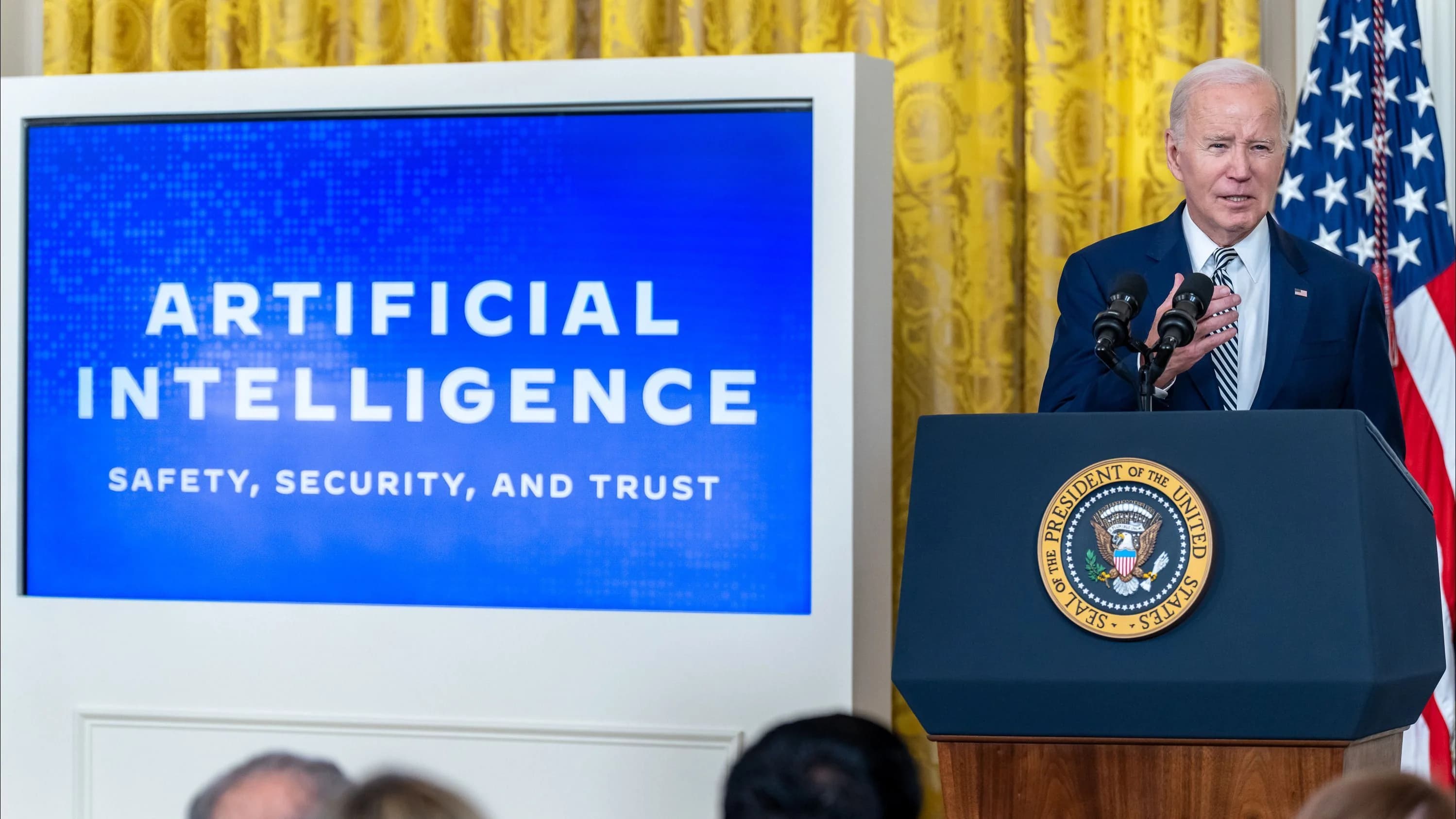
The District of Columbia Times presents a data-driven, neutral analysis of a pivotal federal action issued on February 6, 2026. The White House released the executive order aimed at strengthening national security and public safety by expanding access to criminal history information and formalizing international data-sharing practices under controlled safeguards. As policymakers, technology leaders, and civil-liberties advocates parse the order, readers can expect a nuanced, evidence-based look at how the measure will affect law enforcement, immigration screening, privacy protections, and the broader technology market that underpins modern security and compliance operations. The executive order—tied to the administration’s ongoing national-security agenda—was issued under the authority cited in the Constitution and the relevant statutory framework, anchored by 6 U.S.C. 122(a)(2). The White House action underscores the administration’s effort to align border security, immigration policy, and public-safety tools with a more centralized, information-driven approach to risk management. (whitehouse.gov)
In this report, we anchor analysis in primary sources and where possible pair the policy text with independent observations from industry analysts and legal scholars. The central premise of the order is to fortify the United States against threats by enabling more rapid, comprehensive vetting of individuals who interact with federal systems—especially those tied to immigration and border security. The measure emphasizes interagency collaboration, particularly between the Department of Homeland Security (DHS) and the Department of Justice (DOJ), to ensure that criminal-history information (CHRI) held by federal agencies can be accessed to support screening and vetting missions. This approach sits within a broader policy framework that has evolved across multiple White House actions since early 2025, reflecting a steady emphasis on national security and public-safety readiness in the digital age. The executive order is identified on the White House site as “PROTECTING THE NATIONAL SECURITY AND WELFARE OF THE UNITED STATES AND ITS CITIZENS FROM CRIMINAL ACTORS AND OTHER PUBLIC SAFETY THREATS,” issued February 6, 2026. (whitehouse.gov)
Opening with the news is essential: the order formalizes a path for DHS to access CHRI in DOJ custody for purposes tied to screening and vetting, subject to the legal constraints that govern privacy and information-sharing. The policy language specifies that DHS immigration authorities should access CHRI in the custody of federal criminal justice agencies “to the maximum extent permitted by law,” signaling a move toward tighter integration between criminal-record data and immigration controls. This data-sharing framework is presented as a risk-management tool designed to identify and interdict individuals who pose potential threats to public safety or national security. The order makes clear that its implementation relies on existing statutory authority, including the privacy safeguards built into the relevant laws. In short, the core thrust of the action is to reduce information-friction between agencies that directly influence border security, immigration control, and public safety operations. (whitehouse.gov)
What follows is a structured overview of the announcement, its timeline, and the key facts that readers in the technology sector, policy circles, and the general public should track. The analysis that follows emphasizes not only the textual content of the order but also the practical implications for technology vendors, data providers, and security professionals who build and maintain the digital infrastructure that supports modern screening, risk-assessment, and enforcement activities. The White House’s framing of the order places emphasis on privacy protections and the careful, bounded use of CHRI in cross-border exchanges, pointing to a disciplined approach to data sharing that seeks to balance security priorities with civil-liberties concerns. As the administration notes, the order “is implemented subject to the availability of appropriations,” and it does not create any enforceable rights or benefits, a reminder that funding and legal challenges could shape the ultimate scope and pace of implementation. The official signature line is dated February 6, 2026, reinforcing the contemporaneous nature of the action as part of the administration’s ongoing national-security program. (whitehouse.gov)
Section 1: What Happened
Core Provisions of the Executive Order on National Security and Public Safety
Policy Foundation and Authority
The executive order rests on the policy objective of protecting the welfare and security of the United States and its citizens from criminal actors, with an emphasis on cross-border collaboration with trusted foreign governments to share information about convicted felons on a reciprocal basis for border security and immigration purposes. The policy is anchored in the provision that the Department of Homeland Security (DHS) is responsible for safeguarding the borders by interdicting persons and goods entering the country, protecting against dangerous goods and narcotics, and detecting, responding to, and interdicting terrorists and other threats. The order makes use of the existing legal framework to authorize DHS immigration authorities to access CHRI held by federal criminal justice agencies to the maximum extent permitted by law. This central idea—linking CHRI access to border security and immigration screening—constitutes the core of Section 1 and shapes the operational expectations for DHS, DOJ, and partner agencies. The policy statement in the White House release explicitly frames this approach as a means to bolster national security without disregarding statutory privacy safeguards. The key legal anchor cited in the order is 6 U.S.C. 122(a)(2), which underpins the administration’s authority for the CHRI sharing and vetting enhancements described in the document. (whitehouse.gov)
Access to CHRI and Interagency Collaboration
A central detail of the order is the directive for the Attorney General to provide DHS with access to CHRI maintained by DOJ for purposes related to DHS screening and vetting missions, to the maximum extent permitted by law. This provision signals a formalization of interagency data-sharing protocols that will impact how information flows between law-enforcement and immigration authorities. It also sets expectations for governance, auditability, and privacy protections tied to CHRI handling. The effects on data workflows for federal agencies could be substantial, potentially requiring updates to data-management systems, identity verification pipelines, and cross-agency incident-response playbooks. These elements align with the order’s stated aim of strengthening border integrity and public safety by reducing information gaps that could allow high-risk individuals to circumvent screening processes. The White House text underscores the statutory limits governing this sharing and the necessity for lawful access. (whitehouse.gov)
International Data Sharing and Privacy Safeguards
The order also authorizes DHS to exchange felony-conviction records with border-security and immigration authorities in Visa Waiver Program (VWP) countries, as well as with other trusted allies under bilateral or multilateral agreements that include privacy safeguards. The bilateral or multilateral nature of these data-sharing arrangements is designed to enable more effective risk assessment for travelers and immigrants while safeguarding individual privacy rights to the extent permitted by law. This international dimension signals a broader trend in national-security policy that seeks to harmonize domestic screening practices with trusted partners, potentially accelerating security cooperation in a controlled, rights-respecting manner. Readers should watch how such agreements are negotiated, what data elements are shared (for example, CHRI vs. limited data fields), and what privacy protections and oversight mechanisms accompany these exchanges. The executive order explicitly ties the cross-border data-sharing to the safeguards necessary to protect privacy for U.S. persons and others, making this a focal point for civil-liberties groups and privacy advocates in the public discourse. (whitehouse.gov)
Budget and Implementation: Funding, Legal Boundaries, and Rights
A notable administrative caveat in the order is the statement that its implementation “shall be subject to the availability of appropriations.” This language acknowledges the reality that funding cycles and congressional budget processes will shape the pace and scale of CHRI-sharing enhancements and interagency coordination. The order also clarifies that it “is not intended to, and does not, create any right or benefit, substantive or procedural, enforceable at law or in equity,” signaling that the measure operates within the executive branch’s discretion and does not establish new rights for individuals or entities. This distinction is important for both civil-liberties stakeholders and private-sector actors who may be evaluating the legal exposure and risk-management implications of the policy. The White House document further notes that the costs associated with publication and implementation will be borne by DHS, indicating the fiscal responsibilities attached to the rollout and ongoing operation of the new data-sharing regime. (whitehouse.gov)
Timeline: When Will Changes Take Effect?
At the time of publication, the White House release establishes the policy and its immediate actions, with a signature date of February 6, 2026. However, it also notes that the order’s practical execution will depend on subsequent guidance, regulatory steps, and appropriations. For readers tracking implementation in the technology sector or for practitioners managing compliance programs, the critical question is not only what the order says but how agencies will translate policy into concrete data-sharing protocols, privacy-protective controls, and vendor- and contractor-facing requirements. The White House page includes a formal “The White House” signature line and a link to related presidential actions that illuminate the broader policy trajectory over the preceding year and into the near term. For the purposes of market analysis and technology strategy, expect DHS and DOJ to publish additional regulatory or guidance documents, memoranda, and procurement announcements that will shape vendor opportunities and compliance obligations. (whitehouse.gov)
Timeline snapshot (based on official action and related presidential actions):
- February 6, 2026: The executive order is signed and published by the White House, establishing the policy framework and initial authorities for CHRI sharing and international data exchanges. The executive action is linked to 6 U.S.C. 122(a)(2) and to the DHS/DOJ collaboration described in the order. (whitehouse.gov)
- Following weeks and months: Agencies begin drafting implementing guidance, data-access controls, privacy safeguards, and interagency data-sharing protocols consistent with the new policy and subject to appropriations. The order’s text emphasizes that implementation depends on funding and legal considerations, which means that the concrete operational steps will unfold over a phased timeline. (whitehouse.gov)
- Ongoing: The administration and Congress may issue further regulatory actions or guidance relating to CHRI handling, cross-border data sharing, and privacy protections, all of which will be relevant to technology providers in the identity management, background-check, and security-tracking spaces. The White House page itself connects to related actions dating back to January 2025 and 2026, illustrating a continuing policy arc. (whitehouse.gov)
Section 2: Why It Matters
Implications for National Security, Public Safety, and Public Policy
Security Outcomes and Operational Readiness

The order’s framing centers on bolstering national security and border integrity by tightening vetting capacities and interagency data flows. In practical terms, this could translate into more robust risk scoring, faster cross-checks for travelers, and the ability to flag high-risk individuals earlier in the screening process. From a security operations perspective, enhanced CHRI access could enable DHS to identify correlations across datasets that might not be readily visible to a single agency, supporting earlier interventions and targeted enforcement where appropriate. This could also influence how technology vendors design and deploy identity verification and risk-assessment tools for government customers, potentially driving demand for more advanced analytics, data-linking capabilities, and secure data-sharing platforms that meet stringent federal privacy and security standards. The White House text makes clear that the underlying authority is anchored in statutory provisions, with the practical impact of a more integrated federal vetting regime. (whitehouse.gov)
Impacts on Immigrant Vetting and Public Safety Programs
By enabling DHS to access CHRI and to exchange records with trusted partners, the order directly touches immigration screening protocols and border-security programs. The policy intent is to reduce information gaps that could impede timely risk assessment, but it also raises questions about how background data is used, stored, and shared across borders. For the technology and security market, this shift could spur demand for data governance solutions that address cross-agency sharing, auditability, data lineage, and privacy controls. Vendors specializing in identity authentication, risk management, and secure information-sharing architectures may find new opportunities to align their products with federal requirements, while systems integrators could be called upon to implement interoperable solutions across DHS and DOJ systems. At the same time, civil-liberties groups are likely to scrutinize the privacy safeguards and governance mechanisms accompanying CHRI exchanges, seeking oversight and accountability to ensure data is used appropriately and proportionally. The order’s emphasis on privacy safeguards and the explicit caution that it does not create new rights provide a structural acknowledgment of this tension. (whitehouse.gov)
Data Privacy, Civil Liberties, and Oversight Considerations
Privacy advocates are expected to examine how CHRI sharing will be governed, what data elements are included in cross-border exchanges, and how privacy protections will be operationalized in practice. The executive order foregrounds privacy safeguards by requiring that data sharing occur with appropriate privacy protections and in accordance with applicable law, especially to protect the privacy of U.S. persons and others. The balance between national security imperatives and civil-liberties protections typically involves a multi-stakeholder process, including congressional oversight, agency rulemaking, and potential judicial review. Given the order’s explicit reminder that it does not create enforceable rights, observers may analyze whether this approach provides adequate checks and balances to prevent overreach while maintaining essential security capabilities. Market observers, privacy professionals, and legal scholars will be watching for how agencies implement data access controls, how privacy impact assessments are conducted, and how aggrieved parties might challenge or defend CHRI-sharing arrangements in court or through administrative review. (whitehouse.gov)
Technology Market and Sector-Specific Implications
From a technology market perspective, the order can be interpreted as an impetus for enhanced data integration and more sophisticated vetting technologies across government agencies. Vendors that provide secure data-sharing platforms, identity verification services, and privacy-preserving analytics could experience increased demand if agencies expand their CHRI workflows. At the same time, contractors and suppliers may face new compliance requirements, such as enhanced audit trails, more rigorous access controls, and tighter monitoring of data usage. Analysts may watch for procurement signals, RFPs, and pilot programs from DHS and DOJ that specify requirements for CHRI access, cross-border data exchanges, or privacy-by-design features. The order’s emphasis on “to the maximum extent permitted by law” also implies that technology solutions will need to be adaptable to evolving legal interpretations and potential statutory clarifications, which could create a dynamic market environment for security tech vendors and compliance services. (whitehouse.gov)
Broader Context: A Continuum of National Security and Public Safety Initiatives
This executive action sits within a broader policy continuum that has included other national-security and public-safety measures in the preceding years. The White House project listings show related presidential actions in 2025 that focus on border control, immigration, and national-security policy, illustrating an ongoing emphasis on preventing foreign and domestic threats through enhanced governance and information-sharing mechanisms. Observers should consider how the February 2026 order interacts with prior and future actions, including potential interdependencies with other executive actions, regulatory developments, and legislative considerations. This context matters for technology-market forecasting, as policy shifts often reshape procurement priorities and investment in security capabilities across the public sector. (whitehouse.gov)
Who Is Affected and Why It Matters to Industry and Society
DHS, DOJ, and Partner Agencies
The order places a renewed emphasis on interagency cooperation between DHS and DOJ, with DHS receiving expanded access to CHRI held by DOJ and the possibility of CHRI exchanges with international partners under privacy-preserving mechanisms. Agencies will need to align internal data governance, access-control policies, and cross-system interfaces to accommodate the new workflow. For technology teams supporting federal customers, this could translate into renewed emphasis on security and privacy-by-design, robust audit logging, and secure data-transfer protocols that meet federal requirements for handling sensitive criminal history data. (whitehouse.gov)
Private-Sector Tech Vendors and System Integrators
Technology vendors that offer identity management, background-checking platforms, secure data exchange tools, and cross-border information-sharing solutions may observe increased demand as agencies implement the policy. System integrators that specialize in federal cybersecurity and data governance could see new work streams as agencies modernize their data ecosystems to support CHRI access and the international exchange framework. However, vendors must also navigate the privacy safeguards and legal boundaries highlighted by the White House, ensuring that their products and services support compliant use cases, robust access controls, and auditable data handling. The policy’s funding caveat underscores that successful implementation will depend on budgetary decisions, which could influence the pace and scale of market opportunities. (whitehouse.gov)
Civil Liberties Advocates and Public Policy Analysts
Civil-liberties communities will scrutinize how CHRI access and cross-border data-sharing are implemented, focusing on privacy protections, data minimization, and oversight. Because the order explicitly states that it does not create enforceable rights, observers will monitor for additional statutory or regulatory steps that define remedies or due-process protections for individuals whose data is accessed or exchanged under these new authorities. Public policy analysts may also evaluate the balance between security benefits and civil-liberties costs, considering whether privacy-impact assessments, oversight mechanisms, and transparent reporting accompany the policy’s implementation. The White House text signals a careful approach, but actual practice will determine the policy’s societal impact. (whitehouse.gov)
The Technology Ecosystem in the District of Columbia and Beyond
In the broader technology ecosystem, the order reinforces a growing trend toward integrating advanced data-sharing capabilities with security controls and privacy safeguards across federal programs. The development of secure data-sharing architectures, privacy-preserving analytics, and standardized data-exchange protocols could accelerate, influencing investments in federal systems, vendor ecosystems, and academic research in data governance. As the district and the nation track the policy’s rollout, it will be essential to differentiate between initial policy announcements and realized operational capabilities, which may emerge in phased deployments tied to funding and regulatory design. The ongoing dialogue between policymakers, the tech industry, and civil-society actors will shape the long-term trajectory of security technology adoption in the public sector. (whitehouse.gov)
Section 3: What’s Next
Next Steps for Agencies and Stakeholders
Implementation Roadmap and Milestones

While the White House document establishes the policy framework, the concrete roadmap will emerge through subsequent implementing guidance, agency-level policies, and potential regulatory actions. Stakeholders should expect:
- The DHS to issue internal guidance on CHRI access controls, data-sharing protocols, and privacy-preserving safeguards that align with the policy.
- DOJ to provide clarifications on the handling, retention, and access of CHRI in the context of the new cross-agency framework.
- Possible development of bilateral or multilateral agreements with VWP countries and trusted allies detailing the data elements to be shared, the privacy protections required, and the oversight mechanisms in place. These steps will shape the practical day-to-day use cases for technology systems supporting background checks, border screening, and related public-safety workflows. The funding status will play a crucial role in determining the speed of these developments, as highlighted in the order’s own language. (whitehouse.gov)
Procurement Signals and Vendor Engagement
As implementing guidance begins to surface, expect federal procurement activity to reflect the need for secure data-exchange platforms, privacy-preserving analytics, and compliant identity-management solutions. Vendors should monitor DHS and DOJ sources for Requests for Information (RFIs), Requests for Proposals (RFPs), and procurement notices related to CHRI access, cross-border data sharing, or privacy-compliant vetting workflows. Early-stage pilots or proof-of-concept programs may surface in the coming months, offering opportunities for technology partners to demonstrate how their solutions support robust governance, auditability, and risk-based decision-making. The White House order’s stated reliance on appropriations means that early funding decisions could influence which pilots or programs move forward first, making budget cycles as important as policy language in shaping the market. (whitehouse.gov)
Public Dialogue, Legal Review, and Oversight
Public dialogue and potential legal review will shape the policy’s long-term limits and safeguards. Expect lawmakers, privacy advocates, civil-rights organizations, and industry groups to participate in hearings, comment periods, and legal challenges that address questions about data sharing, consent, privacy protections, and the scope of CHRI access. The order’s explicit note that it does not create a legal right suggests that legislative action or federal regulations could be pursued to define rights and remedies more clearly, should the need arise. The dynamic between executive action and legislative oversight will influence not only the trajectory of CHRI-sharing measures but also the broader discourse around how national-security policy intersects with civil liberties in the 2020s and beyond. (whitehouse.gov)
What’s Next for the Public and for DC Residents
Local Impacts and Public Awareness
District residents and businesses may encounter changes in how federal screening and cross-border data-sharing practices interact with federal security programs that affect travel, immigration, and public safety, particularly for those with direct ties to immigration processes or cross-border commerce. Clarity around data privacy, oversight, and the specific use cases for CHRI data will be critical to maintaining public trust. Local institutions—law enforcement partners, universities, healthcare providers, and industry groups—will likely engage with federal partners to understand compliance expectations, data handling procedures, and the potential for new workflows or pilots that may affect public services. The DC context often serves as a barometer for federal policy implementation, given the proximity of federal agencies and the high degree of interagency coordination required for effective governance. (whitehouse.gov)
Global Implications and International Cooperation
On the international front, the data-sharing provisions could influence how the United States coordinates with allied nations on screening, border control, and the exchange of criminal-history information. The cross-border dimension of the policy signals a move toward more formalized, privacy-conscious information sharing with trusted partners, a trend likely to prompt diplomacy, negotiations, and possibly new international accords. As with many national-security measures that rely on information-sharing, the success of these efforts will depend on maintaining a balance between security gains and civil-liberties protections, including ensuring that privacy safeguards, redress mechanisms, and transparency are integral to any cross-border data-exchange framework. (whitehouse.gov)
Closing
The February 6, 2026 executive action represents a notable milestone in the ongoing evolution of U.S. national-security policy, with direct implications for federal data governance, immigration screening, and cross-border cooperation. The National Security and Public Safety framework it builds—anchored in CHRI access, interagency collaboration, and privacy safeguards—will require careful implementation, ongoing oversight, and transparent communication with the public, industry, and civil-liberties communities. As the District of Columbia Times continues to monitor the rollout, readers can expect to see periodic updates on agency guidance, procurement activity, and any developments in related legal or regulatory actions. For practitioners in technology and security, this is a time to prepare for a potentially accelerated cycle of policy-to-product translation, with opportunities to align solutions to government needs while upholding privacy standards and civil-liberties commitments.
Stay tuned for the evolving story, as DHS, DOJ, and allied partners translate the February 6, 2026 order into concrete programs, pilot projects, and procurement opportunities. The information landscape surrounding CHRI and public-safety data sharing is likely to shift rapidly in the coming months, and stakeholders should monitor official agency channels for guidance, updates, and implementation timelines. The District of Columbia Times will continue to bring you both the policy details and the market implications—boiled down into practical insights for technology professionals, policymakers, and the informed citizen alike. (whitehouse.gov)