
Executive Order 2026: National Security from Criminal Actors
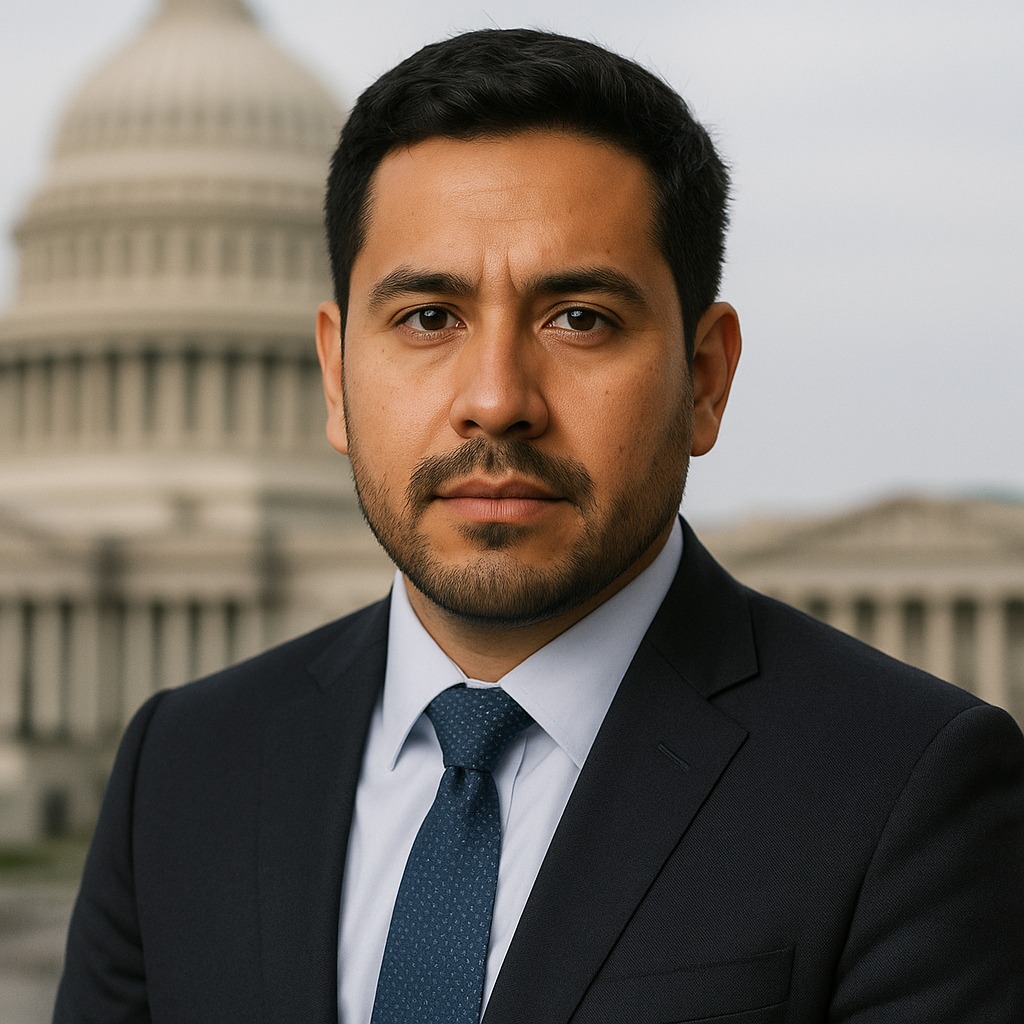

The District of Columbia Times delivers a data-driven look at Executive Order 2026: National Security from Criminal Actors, a pivotal White House action announced on February 6, 2026. The order aims to strengthen the United States’ ability to identify and interdict threats posed by criminal actors by expanding access to criminal history record information (CHRI) for screening and vetting purposes, and by enabling information exchanges with trusted foreign partners. In practical terms, the administration is directing federal agencies to share and access data across borders and departments to bolster border security and public safety, while signaling that privacy safeguards will accompany these steps. The move comes amid rising concern about increasingly sophisticated criminal activities that cross traditional boundaries—cybercrime, transnational seizure networks, and cross-border illicit flows—that threaten national security and public safety. The White House Office’s official presidential action page confirms the February 6, 2026 proclamation and details the core provisions of the order, including how CHRI will flow to and from the Department of Homeland Security (DHS) and the types of data-sharing arrangements contemplated with Visa Waiver Program (VWP) and other allied countries. (whitehouse.gov)
For readers across the District of Columbia Times audience, the significance of Executive Order 2026: National Security from Criminal Actors extends beyond a single policy document. It reflects a broader shift toward data-enabled governance in national security and immigration enforcement, where technology-enabled screening, identity verification, and cross-border data sharing intersect with the realities of modern crime. Early reactions underscore a classic policy trade-off: improved protective capabilities and faster risk assessment on one side, and renewed concerns about privacy, civil liberties, and the governance of sensitive data on the other. News outlets and policy analysts have begun tracking the potential implications for individuals, businesses, and technology suppliers in the U.S. market, while government agencies prepare to implement the order within existing statutory frameworks. This piece synthesizes the official action, immediate effects, and the longer-term implications for technology, security practices, and the broader market landscape. The analysis is grounded in publicly available information from the White House and corroborating coverage from credible outlets and research briefings. (whitehouse.gov)
Section 1: What Happened
Announcement Details
-
February 6, 2026: The White House issued Executive Order 2026: National Security from Criminal Actors, a formal directive to enhance national security by granting DHS expanded access to CHRI held by federal criminal justice agencies. The order also directs the Secretary of Homeland Security to engage with foreign partners, exchanging felony conviction records for border security and immigration purposes, under agreements that safeguard privacy and civil liberties. The president’s action explicitly ties CHRI sharing to screening and vetting missions, with the Attorney General tasked to provide CHRI to DHS to the maximum extent permitted by law. These provisions represent a structured approach to information sharing across domestic and international borders, aligning security aims with privacy safeguards. The official action page provides the most authoritative articulation of these provisions. (whitehouse.gov)
-
February 2026 timeline and structure: The order establishes a phased implementation framework, detailing sections on policy, CHRI provision to DHS, cross-border CHRI exchanges, and general provisions, including the constraint that nothing in the order should impair other legal authorities or create new rights enforceable in court. Implementation is to proceed in accordance with applicable law and appropriations, with privacy protections embedded in the design of data-sharing arrangements. The White House page lays out these core design choices, including the emphasis on privacy safeguards and reciprocity in data exchanges. (whitehouse.gov)
-
What the order does in practice: The directive envisions DHS immigration authorities accessing CHRI stored by the Department of Justice and sharing CHRI with trusted allies and VWP partners to support border screening and travel vetting. It also contemplates a framework for reciprocal data exchanges with privacy protections, under bilateral or multilateral agreements, to improve travel screening and immigration enforcement outcomes while maintaining compliance with applicable law. These actions are framed as part of a broader national security strategy to deter and disrupt criminal networks that threaten public safety. The official text and summary on the White House site provide the precise language and scope. (whitehouse.gov)
-
The Big Picture fact base: The White House action sits in a broader policy environment shaped by the ongoing recognition of crime- and cyber-driven threat vectors—context that is reinforced by the FBI’s annual Internet Crime Report, which documents tens of billions in losses from online fraud and related activity in 2024. The 2024 IC3 data underscore why many observers view enhanced information sharing and screening capabilities as timely, even as privacy advocates highlight governance concerns. The FBI’s IC3 reports show a persistent, high-cost threat landscape driven largely by phishing, extortion, and data breaches, with losses reaching $16.6 billion in 2024. (fbi.gov)
Timeline and Key Facts
-
February 6, 2026: Executive Order 2026: National Security from Criminal Actors signed by the President. Core provisions include authorizing CHRI access to DHS, enabling CHRI exchanges with foreign partners, and establishing the legal guardrails around privacy and data protection. The White House summary confirms the date and substance. (whitehouse.gov)
-
Post-signing steps: The order directs the Attorney General to provide CHRI to DHS for screening and vetting purposes and to coordinate with DHS on cross-border CHRI exchanges under reciprocal agreements that safeguard privacy. The plan explicitly contemplates sharing CHRI with VWP countries and trusted allies under appropriate agreements, and it affirms that these actions must be implemented in compliance with applicable law and budget constraints. These procedural details are spelled out in the executive order text and associated White House materials. (whitehouse.gov)
-
Contextual benchmarks: The policy arrives at a moment when cybercrime and related threats remain costly and persistent, according to the FBI IC3 data. The 2024 IC3 report shows a record-high loss level and a broad set of criminal modalities, illustrating why enhanced data-sharing tools could be seen as a necessary adjunct to traditional enforcement methods. (fbi.gov)
Section 2: Why It Matters
National Security Implications
-
Strengthened risk assessment and faster triage: By broadening DHS access to CHRI held across federal criminal justice agencies, Executive Order 2026: National Security from Criminal Actors codifies a more integrated national security posture for traveler screening and identity verification. In practice, this could improve the accuracy and speed of vetting processes for individuals seeking entry or temporary stays, potentially reducing the windows in which high-risk individuals might exploit gaps in screening. This alignment between policy design and security objectives reflects a consensus that data-driven vetting is essential in confronting modern, transnational risk actors. The White House’s own account of the order emphasizes a policy shift toward more comprehensive, information-enabled security checks. (whitehouse.gov)
-
International cooperation and interoperability: The cross-border CHRI exchanges contemplated by the order are designed to be reciprocal and privacy-respecting, built on bilateral or multilateral agreements with trusted partners. The integration of CHRI sharing with Visa Waiver Program partners and other allied nations signals a more harmonized approach to screening while aiming to preserve civil liberties and privacy protections, a balance that aligns with broader U.S. national security and foreign policy objectives. The official text clarifies the bilateral/multilateral framework and the safeguards that should accompany such exchanges. (whitehouse.gov)
-
Market and technology implications for security ecosystems: As CHRI flows increase across agencies and nations, the demand for robust identity verification, secure data interoperability, and privacy-preserving data sharing technologies is likely to rise. Security technology providers could see increased demand for tamper-evident data sharing architectures, secure APIs, and cryptographic solutions that enable cross-border vetting while protecting privacy. Industry observers will be watching for implementation milestones and any guidance from the executive branch about standards, audits, and safeguarding measures. The FBI’s IC3 reports, which quantify the scale of modern cyber threats, provide a sobering context for why such technologies matter to national security and the economy. (fbi.gov)
Impact on Individuals, Businesses, and Markets
- Individuals and families: Privacy advocates caution that broader CHRI access and cross-border data sharing may raise concerns about how data is used, stored, and retained, particularly when data flows cross national boundaries. The AP News report on recent data-sharing-related privacy concerns highlights how even routine data-sharing arrangements can produce unintended data exposure or privacy risks if not carefully governed. Balancing security with civil liberties will be a focal point for policymakers, courts, and watchdog groups as implementation unfolds. (apnews.com)

-
Businesses and technology suppliers: The expansion of CHRI access and cross-border data-sharing capabilities could influence the development of secure data exchange platforms, identity verification solutions, and privacy-enhancing technologies. Companies involved in background checks, identity services, and border technology may experience shift in demand or regulatory guidance as agencies update systems to handle CHRI in new ways. Legal and regulatory analyses, including congressional research on CHRI access for governance and non-criminal justice purposes, provide a broader context for how such data-sharing regimes are framed within existing law. (congress.gov)
-
Privacy and civil liberties considerations: Civil society groups and privacy advocates have warned about potential privacy risks associated with increased CHRI sharing, arguing that robust governance, transparency, and oversight are essential to prevent misuse and overreach. The recent privacy reporting surrounding CHRI-like data-sharing arrangements—though not identical to this executive order—underscores the importance of privacy-by-design and continuing public accountability as new data-sharing programs roll out. News reporting on these concerns highlights the ongoing debate about the trade-offs between security and privacy in a high-stakes policy environment. (apnews.com)
Contextualizing with Market and Technology Trends
-
Cybercrime landscape in 2024: The FBI IC3 reports that 2024 saw a record-high of losses—about $16.6 billion—across 859,532 complaints. The leading threat vectors were phishing/spoofing, extortion, and data breaches, with cryptocurrency-related investment fraud producing the largest losses. These trends illustrate why authorities have increasing incentives to pursue more integrated, data-driven screening and cross-border collaboration. They also reinforce the public policy argument that faster, better vetting can act as a deterrent to certain criminal networks. (fbi.gov)
-
The role of data governance in security: Beyond raw access to CHRI, the order foregrounds governance mechanisms—privacy protections, safeguards, reciprocity, and compliance with law. As the legal and regulatory environment evolves, both government and industry will need to align on data minimization, purpose limitation, audit trails, and accountability mechanisms. Congressional research on CHRI and privacy-related aspects of data sharing provides a baseline for how lawmakers view the balance between government access to information and individual privacy rights. (congress.gov)
-
Market expectations for identity and screening tech: In a security landscape shaped by ongoing cyber threats, market players that offer secure identity verification, cryptographic data exchange, and privacy-preserving analytics will likely see sustained demand. The policy environment—especially cross-border data-sharing arrangements with privacy safeguards—could influence procurement and adoption of advanced screening technologies by DHS and partner agencies. Industry watchers should monitor any forthcoming implementation guidance from DHS, the Department of Justice, and other relevant agencies to gauge product development and deployment timelines. (whitehouse.gov)
Section 3: What’s Next
Timeline and Next Steps
- Short term (weeks to months): Agencies will be tasked with operationalizing the CHRI access and cross-border sharing framework described in Executive Order 2026: National Security from Criminal Actors. This will entail establishing internal data-sharing protocols, updating vetting workflows, and finalizing privacy protections and risk management practices. The White House’s presidential action page sets out the immediate scope and implementation logic, with the expectation that agencies will move in accordance with applicable law and appropriations. Readers should expect agencies to publish additional details or guidance as implementation progresses. (whitehouse.gov)

-
Medium term (months to a year): The administration and partner governments are expected to negotiate and finalize bilateral or multilateral agreements that govern CHRI exchanges with VWP and other trusted allies. These agreements will address data access permissions, data minimization, privacy safeguards, retention periods, redress mechanisms, and oversight. Congressional and judicial scrutiny of privacy implications is likely to accompany these negotiations, ensuring that data-sharing commitments align with U.S. laws and constitutional protections. The White House framework emphasizes reciprocal data-sharing arrangements subject to appropriate safeguards. (whitehouse.gov)
-
Long term (multi-year horizon): As technology and threat landscapes evolve, the policy could expand to incorporate additional data sources, enhanced analytics, and broader interoperability across agencies and international partners. Ongoing oversight, audits, and transparency measures will be necessary to sustain public confidence and to adjust the program in response to changing legal standards and public policy concerns. The IC3 data and other threat intelligence frameworks will continue to shape how these programs are refined and improved over time. (fbi.gov)
What to Watch For
-
Implementation milestones and guidance: Watch for agency-issued implementing guidance, privacy impact assessments, and interagency memoranda that outline how CHRI access and cross-border exchanges will operate in practice. These documents will provide concrete details on data flows, user access controls, retention, and audit requirements. The White House page signals that such guidance will accompany the executive action as it moves from policy to practice. (whitehouse.gov)
-
Privacy and civil liberties oversight: Expect ongoing dialogue among lawmakers, civil society organizations, and privacy advocates about the balance between security gains and privacy protections. Public commentary and legal analysis will likely surface in congressional hearings, regulatory reviews, and court challenges as the data-sharing regime matures. News coverage of privacy concerns related to CHRI-like data-sharing arrangements in other contexts illustrates the continuing tension between national security objectives and civil liberties protections. (apnews.com)
-
Market responses and technology adoption: As demand for secure data-sharing technologies grows, technology vendors specializing in identity verification, compliance, and privacy-preserving analytics may experience increased interest from DHS and partner agencies. Industry analyses and procurement updates will shed light on how the market adjusts to these policy shifts, including potential new standards, interoperability requirements, and vendor qualification criteria. The evolving cybercrime landscape documented by IC3 emphasizes the market’s need for robust, trusted security solutions. (fbi.gov)
Closing
Executive Order 2026: National Security from Criminal Actors marks a notable inflection point in how the United States approaches national security in an era of complex, border-spanning crime. By codifying expanded CHRI access for DHS and enabling reciprocal data exchanges with trusted allies, the order seeks to reduce risk and accelerate informed decision-making at the border and beyond. The White House’s official articulation confirms the date and substance of the action, while independent assessments and current threat data from the FBI’s IC3 program provide a practical frame for understanding why this move matters. As implementation unfolds, District of Columbia Times will continue monitoring how these changes affect security practices, privacy protections, and the markets that support secure data sharing and identity verification. Readers can stay updated through official White House presidential actions pages, DHS guidance, and ongoing national security reporting from credible outlets and research organizations.
For ongoing coverage and in-depth analysis, follow District of Columbia Times coverage of Executive Order 2026: National Security from Criminal Actors, including expert commentary, timeline updates, and data-driven assessments of security and market implications. The story will evolve as agencies publish implementation details, privacy safeguards are tested in practice, and cross-border data-sharing arrangements take shape with our allied partners. (whitehouse.gov)