
DHS partial government shutdown February 2026: What we know
The DHS partial government shutdown February 2026 marks a renewed funding crisis for the Department of Homeland Security, unfolding amid sharp policy disagreements tied to immigration enforcement reforms. After funding for DHS expired, the department entered a partial shutdown that affected several core operations and services, even as some agency activities remained funded through alternative streams or prior appropriations. The episode follows a broader late-January pause in funding that briefly shuttered multiple agencies, and it underscores how immigration policy debates can translate into real-world disruptions for security, travel, and emergency response. The news is unfolding quickly, and the stakes are high for national security, air travel, disaster response, and border operations. (theguardian.com)
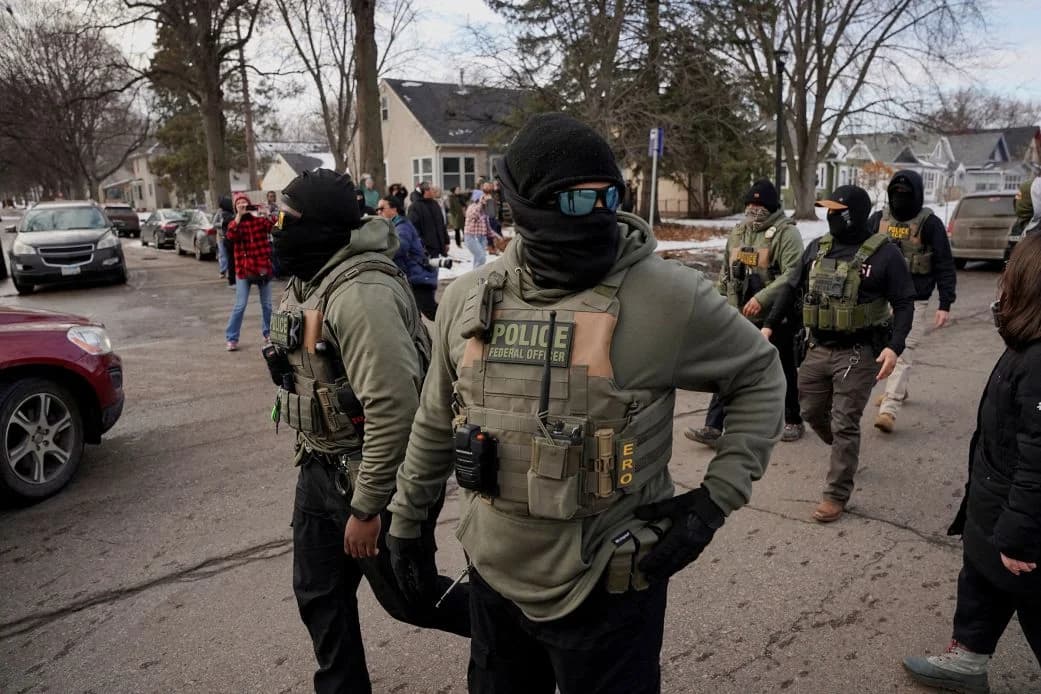
Analysts and policymakers are watching the situation closely for its effects on technology and market dynamics, including the allocation of DHS resources toward oversight technologies, body-worn cameras, warrants for immigration enforcement, and the broader implications for federal IT resilience during funding gaps. The disruption arrives as lawmakers contest immigration enforcement tactics and oversight requirements, with ongoing negotiations shaping whether DHS can operate at full capacity or rely on temporary funding measures. This context matters for technology vendors, security contractors, and the travel ecosystem that relies on consistent federal operations. The discussions around body cameras, enforcement constraints, and transparency obligations are central to the current debate. (theguardian.com)
What Happened
The Shutdown Begins
The February 2026 DHS funding stalemate produced a new partial shutdown after funding for the Department of Homeland Security expired, with the department taking steps to operate under a stopgap arrangement. The onset occurred around midnight as lawmakers failed to pass a full-year DHS appropriation, prompting a lapse in nonessential operations and furloughs across several agencies. The shift followed political impasse surrounding immigration enforcement reforms in the wake of high-profile incidents in Minneapolis. This event was reported as the second partial government shutdown within the same month, reflecting a rapid succession of funding gaps tied to immigration policy debates. (theguardian.com)
Funding Deadlock and Key Demands
The central fault line in the February 2026 episode centers on immigration enforcement policy, oversight, and the use of technology in enforcement actions. Democrats demanded a package of reforms—such as nationwide body-camera requirements for federal agents, restrictions on certain enforcement practices, and enhanced oversight—before funding for DHS could proceed from the standstill. Republicans raised concerns about feasibility, safety, and the operational impact of sweeping reforms during an ongoing security mission. The dispute underscored a broader question: how to balance effective border and interior security with accountability and civil liberties. The debate spilled into congressional floor actions and public messaging, illustrating how policy conditions can drive the tempo of federal funding. >Democrats argued for reform, while Republicans pressed for a narrower approach to funding.> (theguardian.com)
Immediate Agency Impacts
With DHS funding in limbo, several agencies anticipated or experienced operational disruptions, especially those relying on discretionary funding streams or subject to the freeze. In the wake of the earlier January shutdown episode, the Transportation Security Administration (TSA), the Federal Emergency Management Agency (FEMA), and the Secret Service faced potential constraints, even as core homeland security authorities remained active under existing allocations. In practice, the exact mix of funded versus furloughed activities depended on agency-by-agency decisions and the presence of any interim funding extensions. The evolving picture has left travelers and disaster-response partners watching for changes in screening, port-of-entry operations, and incident response readiness. (theguardian.com)
Timeline Snapshot: Connecting the Dots
-
Late January 2026: A four-day partial shutdown began when Congress failed to pass a package covering five DHS-related appropriations bills, triggering furloughs and signaling broad funding fragility for the department. The shutdown was resolved by a funding package that funded most agencies through September but left DHS on a short leash until mid-February. (theguardian.com)
-
February 3, 2026: The first shutdown episode ended as the House passed a comprehensive funding package, with President Trump signing the measure to end the lapse. The DHS portion carried a stopgap through February 13, while other agencies moved toward full-year funding. This resolution followed tense negotiations over how DHS enforcement would be funded and overseen. (theguardian.com)
-
February 13–14, 2026: The second partial shutdown began after Senate Democrats blocked an extension of DHS funding, reigniting funding lapses and prompting warnings about the consequences for security and emergency responsiveness. The funding fight centered on immigration enforcement policies and oversight measures that Democrats sought to attach to DHS funding. (theguardian.com)
-
February 17–18, 2026: Leadership and communications within DHS and its public affairs operation continued to evolve as administration officials navigated the fallout from the Minneapolis shootings and the ongoing funding impasse. DHS spokesperson shifts and public messaging adjustments were reported as part of the department's attempt to manage public trust during the crisis. (washingtonpost.com)
The Human and Institutional Footprint
Beyond headlines, the shutdown episodes have tangible implications for federal workers, contractors, and the agencies that must maintain minimum operations during a lapse. The public-facing components—such as travel security screening, disaster response coordination, and immigration enforcement operations—face a heightened risk of disruption as funding dynamics shift again. While DHS funding continues to be a central sticking point, lawmakers have also signaled that any final deal would need to address a broader set of governance and accountability provisions, including oversight of enforcement activity and the adoption of new technology standards. The public discourse around these issues continues to shape expectations for federal capability during emergencies and border management challenges. (theguardian.com)
Why It Matters
National Security and Public Safety Implications

A persistent funding gap for DHS has the potential to undermine mission readiness at a moment when federal agencies are navigating complex security challenges, including the use of technology in enforcement, risk-based screening, and interagency coordination. The debate over body-worn cameras, civil liberties safeguards, and enforcement transparency is not purely symbolic; it touches the operational ethos of DHS agencies and how they interact with the public on sensitive issues. With DHS personnel operating in high-stakes environments, any lapse in funding—especially if extended—could affect response times, interagency communication, and the ability to maintain continuity of critical functions. Public officials and security practitioners have stressed the importance of clear, enforceable standards for accountability, data sharing, and incident reporting to preserve safety while preserving civil liberties. (theguardian.com)
“What Democrats want is exceedingly commonsense,” Schumer said, underscoring the push for reforms tied to DHS funding. The policy tension around oversight, body cameras, and warrants illustrates how political considerations can influence the operational posture of federal security agencies. (theguardian.com)
Economic and Market Implications for Tech and Industry
The repeated funding gaps at DHS interact with broader market dynamics, including the demand for enforcement technologies, transparency tools, and the resilient IT infrastructure that supports DHS missions. While the immediate security impact may vary by agency, technology vendors and service providers watch closely for shifts in procurement timelines, budgetary priorities, and compliance requirements that accompany new oversight rules. In the February 2026 period, the potential for limited DHS funding to affect procurement cycles, cybersecurity investments, and opportunities in the federal tech market has been a focus for industry observers. Analysts note that interim funding arrangements can temporarily pause or reroute planned IT upgrades, privacy and data governance initiatives, and mission-critical project timelines. (govexec.com)
Policy Oversight and Accountability Context
The funding impasse has amplified debates over how immigration enforcement should be conducted, how agency oversight is enforced, and what standards DHS should meet in its use of technology and enforcement methods. Lawmakers on both sides of the aisle have argued for different policy guardrails, ranging from body-camera deployment to warrants for property access and more uniform enforcement protocols. These policy contours do not just shape funding bills; they influence agency culture, public trust, and the long-run stability of DHS operations. Public-facing accountability measures—such as reporting on enforcement outcomes and technology adoption—are increasingly framed as prerequisites for any full-year funding agreement. (theguardian.com)
What’s Next
Next Steps in Legislation
The immediate path forward hinges on congressional action to resolve the DHS funding gap and reconcile immigration policy positions. The February 2026 cycle saw a struggle between Democrats who sought policy reform conditions on DHS funding and Republicans who urged a more security-first approach. The immediate questions include whether a two-week or longer continuing resolution will be enacted to bridge the gap, what terms will accompany any DHS funding package (including enforcement and oversight provisions), and how swiftly lawmakers can translate political agreement into a finalized appropriation. The recent activity surrounding a stopgap that would extend at least to mid-February—and the associated negotiations—highlights the fragile nature of funding processes when policy demands become non-financial blockers. (theguardian.com)
- Key dates to watch:
- February 13–14, 2026: Potential expiration of interim funding for DHS if a new agreement is not reached.
- Subsequent weeks: Likely return to negotiations on DHS funding, larger appropriations, and any attached policy provisions.
- Ongoing reporting: DHS agencies’ operational status, travel security metrics, and disaster-response readiness during funding uncertainty. These are central to readers who rely on stable federal operations for planning and decision-making. (theguardian.com)
What to Watch for in the Court of Public Opinion and Markets
Public perception of DHS enforcement policies and the administration’s handling of the crisis will influence political calculations in Congress. Media coverage, official statements from the DHS leadership, and statements from congressional committees will shape narratives around accountability, safety, and the use of technology in security operations. In the tech and market spheres, contract awards, procurement timelines, and compliance requirements linked to enforcement reforms may affect vendors in the federal market. The interplay between policy demands and funding certainty is a critical dynamic for technology providers, cybersecurity teams, and public sector buyers who rely on predictable funding cycles. (washingtonpost.com)
Closing
As the DHS partial government shutdown February 2026 evolves, readers should expect continued updates on funding votes, enforcement reform debates, and the practical implications for travel, disaster response, and homeland security operations. The situation underscores how policy tensions translate into real-world timing and resource allocation for federal agencies, with downstream effects on technology programs, industry spending, and public safety services. To stay informed, follow official DHS updates, major national outlets covering U.S. policy and security, and industry newsletters that track federal procurement and IT funding cycles. (theguardian.com)