DHS funding shutdown February 2026: Recap and Analysis
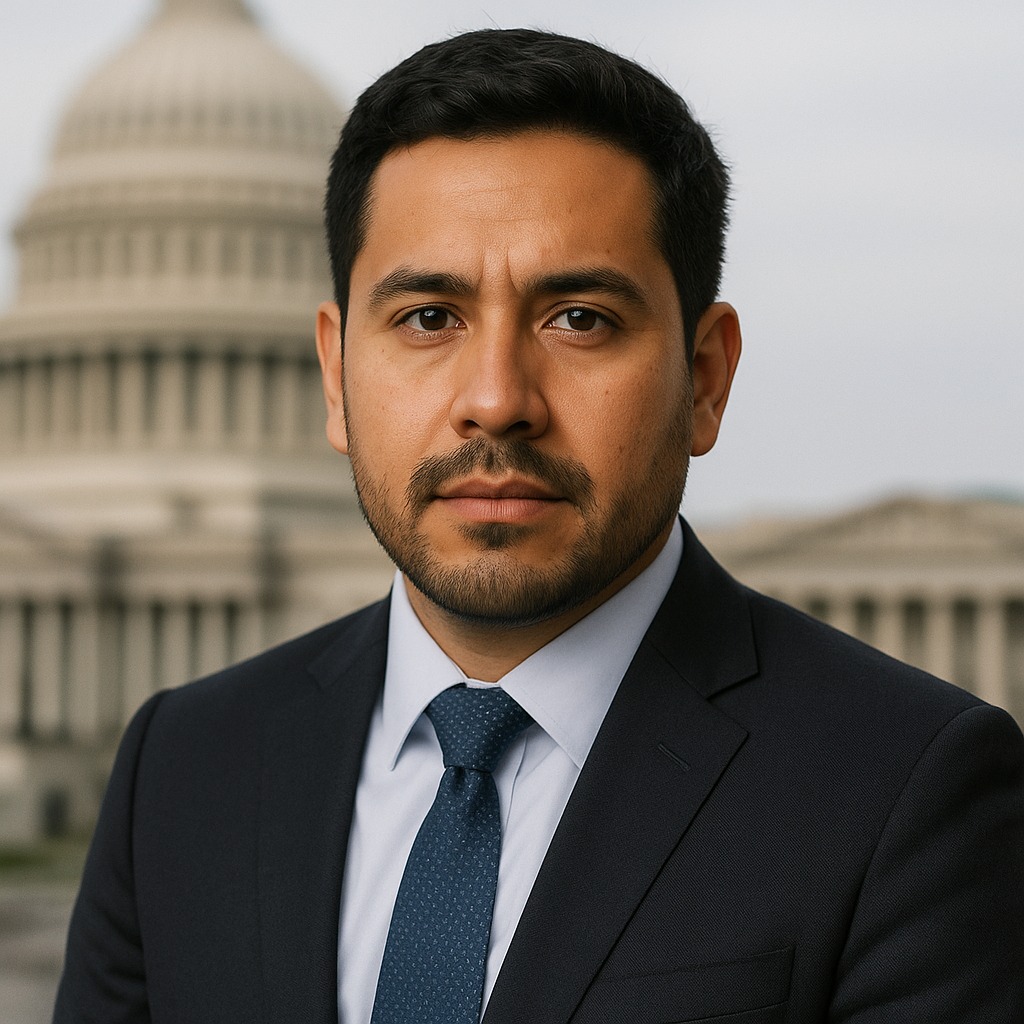
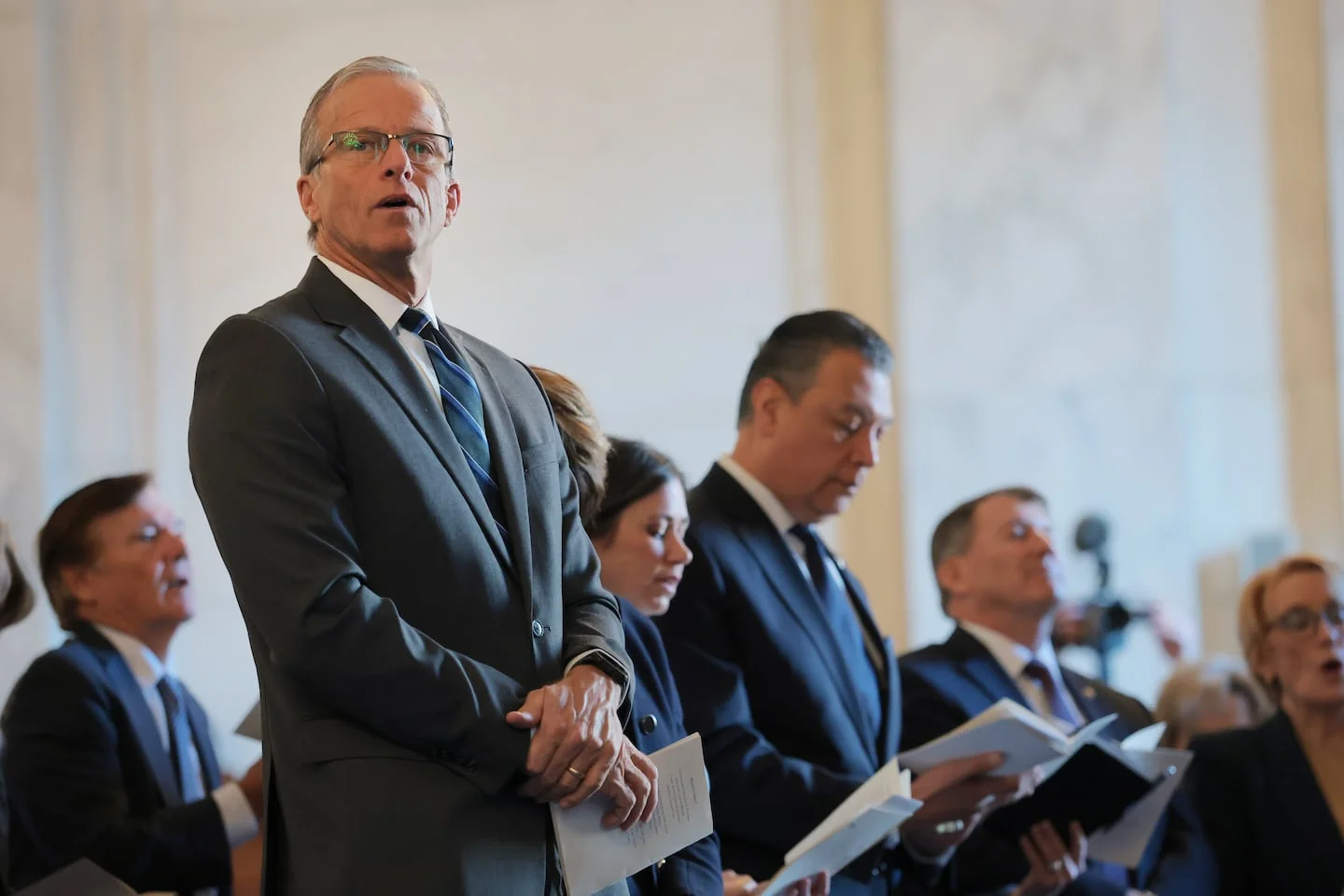
As the District of Columbia Times covered, the DHS funding shutdown February 2026 unfolded at a pivotal moment for national security operations, tech policy, and market expectations. The most striking moment came when leaders announced that, after days of negotiation and public pressure, a funding package would be approved to end the broad government hiatus while leaving DHS funding in a temporary limbo through a two-week continuing resolution. The lapse underscored how immigration enforcement debates can drive a broader, technically complex funding calculus that touches every corner of government operations—from airport screening lanes to disaster response networks. The episode also highlighted the public-facing energy around governance during a time of rapid technological transformation and high stakes for national security. Attendance at policy briefings, congressional hearings, and press events tracked a cross-section of lawmakers, agency leaders, and stakeholders, signaling how interagency coordination and oversight demands are shaping the universe of federal technology procurement and program execution. The opening momentum of the event demonstrated that the stakes were not only fiscal but also operational—especially for DHS components like the Transportation Security Administration (TSA), the Federal Emergency Management Agency (FEMA), and the U.S. Coast Guard, which rely on timely funding to maintain readiness and critical IT modernization efforts. The ongoing dialogue around body-worne cameras, de-escalation training, and agency transparency framed much of the discourse, with observers noting that the outcome would reverberate through civil liberties conversations, homeland security policy, and tech governance for months to come. (theguardian.com)
Event Highlights
Key moments
-
The short-term funding patch that kept most of the federal government operational while DHS awaited longer-term decisions. On February 3, 2026, the House passed a consolidated appropriations act that funded most agencies for the full fiscal year but extended DHS funding only through February 13, 2026, to accommodate ongoing negotiations on immigration enforcement guardrails. The bill was signed into law that afternoon, ending a partial shutdown for most departments, while DHS carried a temporary extension as talks continued. This sequence underscored a recurring theme: immigration enforcement policy can become a gating factor for broader appropriations, even when other agencies operate under full-year appropriations. (theguardian.com)
-
DHS funding extended through February 13, with a two-week horizon for a final agreement. The core takeaway from the immediate post-vote period was a two-week window for lawmakers to negotiate strict oversight and accountability measures around immigration enforcement—measures that Democrats argued were essential to protect civil rights, while Republicans warned against delaying funding for DHS operational missions. The two-week CR structure highlighted the fragility of funding arrangements where policy changes are intertwined with budget decisions. (fedweek.com)
-
The Washington policy-forward pressure: lawmakers and agencies signaled that DHS funding decisions would determine not just payrolls, but also program continuity for critical technology deployments and disaster-readiness investments. DHS components such as FEMA, TSA, and the U.S. Coast Guard faced heightened scrutiny over funding levels, with agency leaders testifying that a lapse could hinder mission readiness and operational continuity. This dynamic drew attention to ongoing IT modernization programs, cybersecurity initiatives, and the need for transparent oversight in federal technology programs. (homeland.house.gov)
-
Public statements and framing around ICE oversight and body-worn cameras. In the aftermath of contentious enforcement actions, lawmakers and administration officials framed the debate around accountability, with public-facing promises to consider nationwide deployment of body cameras and stronger codes of conduct. The Guardian's reporting captured the tenor of these debates, including remarks about the necessity of formal guardrails and the broader security implications of enforcement policies. These moments crystallized a core tension between security objectives and civil liberties considerations in DHS policy discussions. (theguardian.com)
-
Senate dynamics and the potential for renewed lapse. As negotiations progressed, Senate Democrats indicated they would block or condition new funding packages without meaningful reforms to ICE operations, signaling the possibility of renewed funding squeezes if a broad agreement could not be reached. Democratic leaders publicly argued that oversight and guardrails were prerequisites for DHS funding, while Republicans warned that delaying funding would risk safety and security outcomes. This standoff reflected the high political stakes that commonly punctuate DHS budget debates. (theguardian.com)
-
Market and policy reaction to the near-term DHS funding trajectory. In the days surrounding the funding package, financial observers noted that the near-term end of the shutdown would likely have minimal immediate market disruption, even as longer-term policy changes could influence government IT procurement, cybersecurity programs, and disaster-response funding. Industry observers also tracked how the temporary extension might affect contract awards, bid protests, and agency procurement planning, given the uncertainty around guardrails and enforcement reforms. (privatebanking.hsbc.com)
Key Takeaways
Core insights
- Immigration policy can decisively shape fiscal diplomacy. The DHS funding discussion demonstrated that policy riders on immigration enforcement can determine whether a funding bill passes, even when the rest of the federal government has broad bipartisan support. The two-week DHS extension served as a tactical device to secure time for negotiations, underscoring how tech policy, civil liberties, and safety considerations intersect in budget deliberations. For technology leaders and market observers, the takeaway is clear: governance structures around DHS funding will continue to influence long-term planning for national cybersecurity programs, critical infrastructure protection, and DHS IT modernization roadmaps. (fedweek.com)

-
Oversight and accountability are moving from rhetoric to requirement. Across the public record, the push for stronger oversight—body cameras, conduct codes, and transparent reporting—has moved from a talking point to a policy imperative. The Guardian and congressional statements indicate a broad consensus that without guardrails, DHS funding could enable rapid deployments of enforcement actions that raise civil liberties concerns. For readers outside the beltway, this signals a broader trend: as DHS leverages more data-driven technologies (for risk assessment, situational awareness, and incident response), accountability mechanisms will become increasingly central to funding and procurement decisions. (theguardian.com)
-
The technology and procurement implications are real and ongoing. Because DHS programs encompass IT modernization, cybersecurity, and data-sharing initiatives (including CISA-related work and interagency cyber defenses), funding cycles can directly impact technology investments, vendor contracts, and deployment timelines. The two-week pause in DHS funding created a temporary “pause button” for planning and procurement, while the broader appropriations package kept non-DHS operations moving forward. Readers should watch for any shifts in DHS program schedules, security infrastructure upgrades, or vendor engagements as deadlines approach. (fedweek.com)
-
The episode illustrates resilience and risk management in public-sector tech. The immediate survival of many DHS operations during the temporary extension demonstrates institutional resilience, but it also highlights fragility: a protracted impasse could have cascading effects on disaster response capabilities, air travel safety, and critical IT services. The market’s view, as reflected in financial commentary, suggested limited near-term disruption but emphasized the need for robust contingency planning around contingent funding for safety-critical agencies. This aligns with broader themes in technology and market analysis about how policy volatility translates into operational risk for public and private sector partners. (privatebanking.hsbc.com)
Notable Quotes & Moments
Memorable lines
-
“What Democrats want is exceedingly commonsense.” This sentiment captured the stance of Senate Democrats during negotiations, highlighting the push for guardrails in immigration enforcement as a prerequisite for DHS funding. The quote frames the overarching demand for accountability as a condition for funding continuity and reflects the policy tension at the heart of the restart discussions. (theguardian.com)
-
“Americans from every corner of the country are demanding accountability and an end to the lawless, paramilitary tactics that ICE is using in our communities.” This statement underscored the public-facing dimension of the debate on enforcement practices and the political dynamics that influence funding decisions. The remark, attributed to House Democratic leadership, signals how civil rights concerns shape the legislative landscape around DHS appropriations. (theguardian.com)
-
“Right now, our country faces a pivotal time for our homeland security, and I worry another lapse in funding for the department will have even longer-lasting impacts than the last.” This reaction from Republican leadership highlighted the perceived risk of another funding gap, stressing the importance of timely DHS funding to avoid disruption to critical missions. The quote helps illustrate the competing narratives driving the crisis. (homeland.house.gov)
-
“This bill gives Democrats greater time and leverage to negotiate with Republicans on a set of guardrails to curb ICE’s reckless conduct while keeping other services up and running that are essential to the safety and well-being of the American people.” This representative statement from a member of Congress captures the strategic framing of the two-week Continuing Resolution as a leverage point for policy reform, balancing national security needs with civil liberties safeguards. (sewell.house.gov)
What It Means
Implications and next steps
- Short-term trajectory: a path to a longer-term DHS funding resolution remains contingent on the success of guardrail negotiations. With a February 13 deadline in focus, the immediate question centers on whether the administration and Congress can agree on immigration enforcement reform and oversight provisions that satisfy both sides. If a broader agreement fails, a renewed lapse could be possible, intensifying political pressure and potentially impacting DHS operations, IT modernization timelines, and interagency coordination. The government and markets will be watching the February deadline closely as a stress test for governance and risk management. (fedweek.com)

-
Technology and cyber policy implications: as DHS funding negotiations unfold, agencies will need to maintain momentum on cybersecurity, risk management, and critical infrastructure protections. The ongoing emphasis on transparency and accountability is likely to shape procurement practices, vendor oversight, and data governance standards within CISA and DHS components. Stakeholders in the tech sector should anticipate requests for heightened reporting, stronger privacy protections, and clearer performance metrics tied to federal cybersecurity outcomes. (homeland.house.gov)
-
Market and policy signaling for 2026 and beyond: for technology markets and public-sector contractors, a resolution that includes robust guardrails could set a precedent for how immigration enforcement is funded and overseen in future appropriations cycles. Conversely, a protracted impasse could signal ongoing policy volatility with potential implications for government IT project sequencing, risk assessment practices, and long-range planning for capability investments. Financial commentators noted potential near-term calm but emphasized attention to policy risk in the DHS envelope. (privatebanking.hsbc.com)
-
Regional and operational impact for the District of Columbia and national emergency response networks: the DHS funding episode has tangible implications for disaster readiness and emergency services. FEMA’s role in disaster response, climate-related events, and recovery operations means that any tightening or delay in funding could affect staffing, grant programs, and training initiatives that impact local responders and regional resilience. Agency briefings and public statements in the run-up to February 13 emphasized continuity plans and the importance of maintaining essential functions, even in the absence of full-year funding certainty. (fedweek.com)
Closing The DHS funding debate that culminated in the DHS funding shutdown February 2026 exposed the intricate interdependencies among immigration policy, homeland security operations, and technology modernization. For readers who could not attend the briefings, the essence was straightforward: the federal government staged a careful, time-bound pause to push for stronger accountability while preserving the stability of most agencies. The near-term outcome—ending the broader shutdown while deferring a final resolution on DHS funding until mid-February—provided both a window of relief and a warning about the fragility of funding arrangements that hinge on policy guardrails. As budgets and policy converge, the next steps will determine how DHS agencies deploy technology, manage risk, and sustain critical services in a landscape of rapid technological change and heightened public scrutiny. Looking ahead to next year, expect a renewed focus on governance, transparency, and measurable outcomes for DHS IT programs, with continued attention to how funding cycles influence the pace of innovation and the resilience of essential national security functions. The District of Columbia Times will continue to monitor further developments, translating complex budget mechanics into actionable analysis for technology leaders, policymakers, and readers who rely on reliable, data-driven journalism. (theguardian.com)