DC Weekend Getaways 2026: Tech and Market Trends in DC

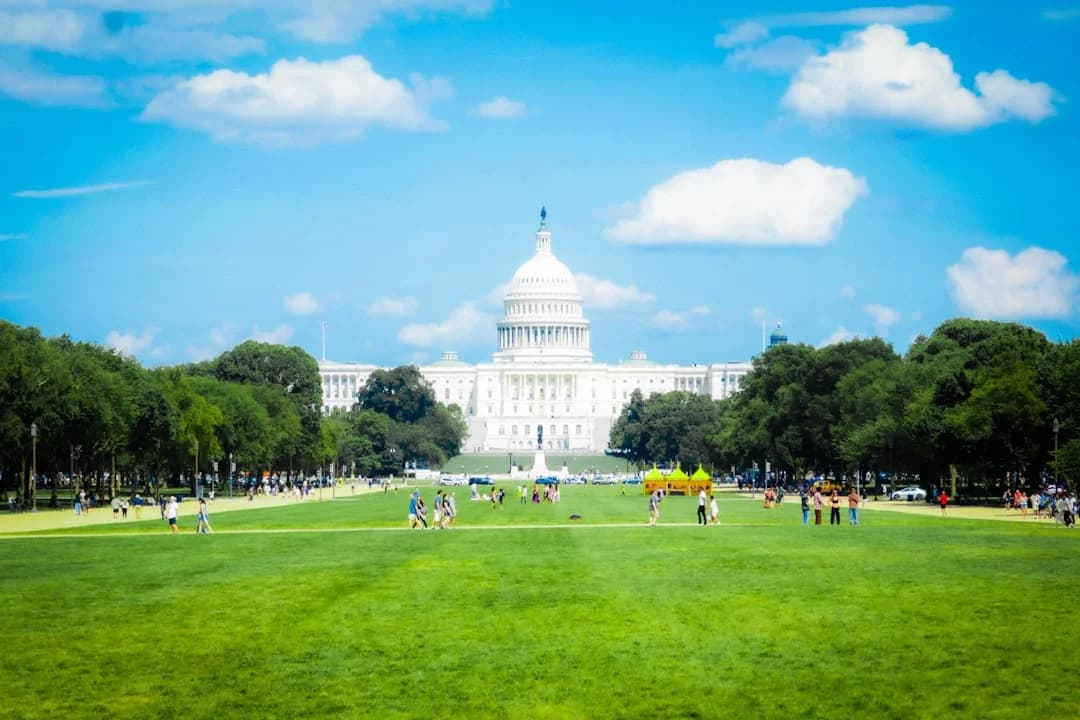
Photo by Ashvik Vivekan on Unsplash
The year 2026 is shaping up as a pivotal one for travelers and local businesses around Washington, DC. As the nation marks America’s 250th birthday, the capital region is seeing a coordinated push to position weekend getaways as a practical, data-informed option for residents and visitors alike. Early 2026 signals a renewed emphasis on short trips that fit busy schedules, supported by updated transportation data, targeted marketing discussions, and a clearer read on who is traveling, when, and why. For DC weekend getaways 2026, the headlines aren’t just about big events; they’re about how data, infrastructure, and marketing converge to make weekend escapes more predictable, affordable, and enjoyable for a broad audience.
Across the DC metropolitan area, officials and industry groups are tracing how 2025 performance translates into 2026 opportunities. Destination DC and partner agencies have highlighted a continued role for tourism in the local economy, even as the mix of international and domestic visitors shifts. The period around Memorial Day and the summer months remains a focal point for planners and hoteliers, with expectations of elevated demand driven by both domestic travelers seeking quick getaways and international visitors re-engaging after recent travel constraints. The convergence of these dynamics has immediate implications for transportation scheduling, hotel capacity, and the retail and cultural sectors that rely on weekend traffic. (washingtonpost.com)
Section 1: What Happened
Global Marketplace 2026 and Destination DC Initiatives
In January 2026, Destination DC (DDC), the city’s official marketing organization, brought together global tourism leaders to discuss the evolving international visitation landscape for DC. The event, held at the Ronald Reagan Building and the International Trade Center, aimed to identify growth opportunities, share sentiment on travel in a post-pandemic context, and reaffirm DC’s commitment to welcoming visitors from around the world. The discussions reflected a broader strategy to leverage DC’s cultural assets, museums, government landmarks, and neighborhood experiences to attract weekend travelers who are increasingly planning shorter, more frequent trips. The forum underscored a practical shift: marketing and product development that emphasize accessibility, value, and safety for a market segment known for high return on investment per visitor. MMGY Travel Intelligence, S&P Global Market Intelligence, and U.S. Travel data cited during the event informed the planning process, illustrating both opportunities and constraints for 2026. (es.washington.org)
Memorial Day and Summer Travel Projections
As summer approached, regional travel forecasts highlighted a robust start to the season. AAA projections released ahead of Memorial Day indicated that more than 1.05 million Washington, DC metro area residents would travel 50 miles or more for the holiday weekend, signaling a strong appetite for short getaways within driving distance of DC. Transportation data and industry trackers pointed to a busy travel period, with signaled bumps in hotel bookings and air traffic that reflect broader demand trends for 2026. Local media covered these projections as evidence that the DC region is experiencing a meaningful uptick in weekend-related travel activity, reinforcing the case for weekend getaway planning among residents and short-stay visitors. (fox5dc.com)
2025 Tourism Performance and 2024 Baseline
A broader view of the DC tourism landscape shows a mixed but improving picture entering 2026. Analysts and local outlets noted that 2025 visitor volumes rose slightly, continuing a pattern of gradual growth after the pandemic-era recovery. Destination DC data cited by press outlets indicate DC drew about 27.2 million visitors in 2025, up modestly from 2024, with the caveat that international visitation lagged behind domestic travel growth. The year also featured a notable shift in spending and visitation composition, with international visitors becoming a smaller share of total tourism activity even as domestic demand offset some of that softness. For policymakers and venue operators, the takeaway is clear: weekend travelers represent a stable and increasingly important component of DC’s tourism ecosystem, particularly during peak summer periods and major national celebrations. (axios.com)
International Visitation and Market Focus
Looking beyond domestic travelers, DC’s international visitation strategy remains a salient line of inquiry for 2026. The Destination DC focus on global markets—articulated during January’s Global Marketplace discussions—emphasizes a desire to balance international inbound travel with the substantial benefits of robust domestic tourism. The public-facing messaging signals a measured approach: welcome international guests while recognizing the pronounced importance of local, regional, and national weekend getaways for the city’s economy. This balance is particularly important as destinations around the country recalibrate in the wake of evolving travel behaviors and geopolitical considerations. (es.washington.org)
Weekend Travel Trends and Regional Data
In addition to destination-level marketing activity, regional travel trend data from the Metropolitan Washington Council of Governments (MWCOG) provides context for weekend getaway planning. The TPB’s Regional Travel Survey, launched in spring 2026, is designed to capture how people move in the DC area across weekdays and weekends, with an emphasis on understanding shifts in trip purpose, mode choice, and travel time. The early data collection reflects ongoing adjustments in travel behavior as the region responds to infrastructure changes, traffic patterns, and evolving work arrangements. For readers focusing on DC weekend getaways 2026, the takeaway is that weekend trips are likely to become more predictable as agencies collect and publish year-over-year trend data. (mwcog.org)
What happened, in practical terms, is that DC’s travel ecosystem is continuing to evolve in 2026 under a banner of growth tempered by the realities of a changing international mix and the rising importance of domestic weekend escapes. The month-to-month data and the broader economic indicators from 2025 and early 2026 show a city that is actively courting weekend travelers while preparing for the scale and pace of summer demand. This context matters because it informs how individuals and families plan short trips, what accommodations and experiences they seek, and how local businesses align with traffic patterns and consumer preferences during peak travel windows. (washingtonpost.com)
Section 2: Why It Matters
Economic Impacts on Local Businesses
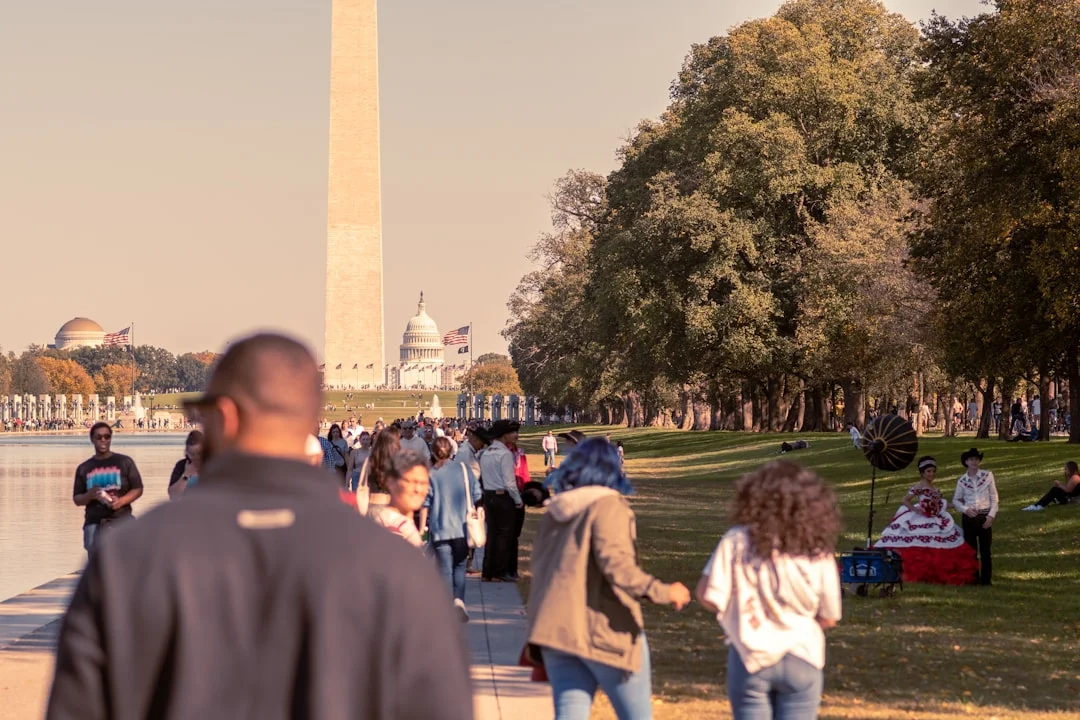
Tourism remains a vital part of the District of Columbia’s economy. State and city-level financial analyses published in early 2026 reiterate the economic footprint of tourism, including the direct and indirect effects on tax revenue, employment, and retail activity. The District’s revenue and economic outlook communications note that tourism historically contributes a meaningful share to city tax receipts and employment, a dynamic reinforced by the 2025 performance data showing sizable visitor spending and job creation in hospitality, entertainment, and services. For businesses located near major corridors and cultural clusters, weekend getaways translate into consistent foot traffic, longer dwell times, and higher per-visitor spend relative to midweek business travel. In 2025, Destination DC’s data—and corroborating local reporting—point to a tourism economy that has resilience when domestic demand remains strong, even as international volumes display more volatility. This nuance matters for small businesses and neighborhood districts that rely on weekend visitors for seasonal revenue peaks. (cfo.dc.gov)
Implications for Weekend Travel Planning and Infrastructure
Weekend getaways depend on reliable access, predictable schedules, and value propositions that appeal to time-constrained travelers. Data from regional transportation planning efforts show an ongoing recalibration of travel times and commute patterns in the DC area, which can influence weekend trip planning. For example, the 2025 State of the Commute report highlights a return toward pre-pandemic travel patterns, with driving remaining a dominant mode but with evolving congestion profiles on major arterials and corridors. As planners and marketers tailor weekend itineraries, understanding how travelers move—by car, rail, and air—helps align lodging inventories, event programming, and transit services to peak weekend windows. These insights are particularly relevant for DC weekend getaways 2026, where the emphasis on short, high-value trips requires synchronized product offerings and communications to prospective visitors. (wtop.com)
Public-Private Collaboration and Market Signals
The international visitation discussions at Global Marketplace 2026 underscore an ongoing public-private collaboration to identify growth opportunities while maintaining consistent quality standards across experiences. For readers and stakeholders, the practical implication is that weekend-focused marketing initiatives will be data-driven, with emphasis on market intelligence, visitor sentiment research, and performance benchmarks. The emphasis on data-driven planning suggests that weekend itineraries—whether museum-hopping, neighborhood food crawls, or nature escapes within a few hours’ drive—will be supported by clearer signaling about where to stay, what to do, and when to visit to optimize value. This is particularly important for the District’s core neighborhoods and gateway corridors that stand to gain from enhanced weekend traffic. (es.washington.org)
International Visitors and Domestic Mix
A balanced view of DC’s tourism mix shows that while international visitors may have lagged in growth relative to domestic travel in 2025, the region remains a magnet for a broad set of travelers. The national and local reporting indicates that domestic travelers—often seeking weekend escapes—will continue to drive a large share of DC’s tourism revenue in 2026. This has implications for marketing budgets, product development, and event calendars, as marketers focus on messages that resonate with short-stay travelers who are sensitive to price, convenience, and safety. For readers tracking DC weekend getaways 2026, this means a continued emphasis on accessible experiences, clear value propositions, and consistent quality across lodging, dining, and attractions. (axios.com)
Transportation and Service Implications
Expectations around transportation access remain central to the weekend-getaway calculus. Transit agencies and city planners have signaled adjustments in service during peak holiday periods and large-scale events, which can affect how visitors move between neighborhoods and beyond the core of the District. The combination of heightened event-driven demand and routine weekend travel patterns could lead to targeted service enhancements, parking and traffic management measures near major venues, and a more integrated experience for weekend visitors who plan multi-location itineraries. Observers should monitor official transit advisories, hotel occupancy data, and event calendars as leading indicators of how DC weekend getaways will unfold in practice this year. (fox5dc.com)
Section 3: What’s Next
Upcoming Milestones in DC Tourism Strategy
Looking ahead, the ongoing engagement with international and domestic markets signals a multi-quarter horizon of initiatives designed to sustain and grow weekend travel to DC. The January 2026 Global Marketplace discussions and related marketing commitments establish a framework for ongoing product development and market analysis throughout 2026. For readers and stakeholders, the next milestones include updated market intelligence releases, quarterly tourism performance dashboards, and new or refreshed weekend-focused itineraries that reflect evolving traveler preferences and price sensitivity. As DC prepares for the summer peak and the America’s 250th celebrations, the market expects a continued emphasis on affordability, accessibility, and enriching experiences that align with a data-informed approach to travel planning. (es.washington.org)
What to Watch This Summer
Summer 2026 is shaping up to be a test case for DC weekend getaways 2026 strategies. Reports on hotel demand, occupancy rates, and daily visitor spending will be closely watched by hoteliers, restaurateurs, and venue operators. The Memorial Day travel outlook, coupled with early indications of increased hotel reservations tied to major celebrations and events, points to a busy summer season with elevated weekend activity. Local media and industry trackers will provide ongoing updates on pricing dynamics, capacity constraints, and the ripple effects of large-scale events on neighborhoods across the District and nearby suburbs. Readers should watch for authoritative updates from Destination DC, the DC Office of Planning, and transportation partners as the season progresses. (fox5dc.com)
What’s next, in practical terms, is a sequence of data releases, event calendars, and partnership announcements designed to sustain DC weekend getaways 2026 as a reliable and attractive option for travelers. The city’s approach—anchored in data-driven planning, market intelligence, and a diversified mix of experiences—will be tested through the summer’s peak travel periods and the ongoing flow of international visitors and domestic weekend travelers. By aligning lodging, transportation, and experiences with real-time demand signals, DC aims to convert weekend trips into repeat business and longer-term stays where possible, while maintaining the accessibility and authenticity that locals and visitors alike value. (es.washington.org)
Closing
As DC embraces a busy 2026 travel season, the picture that emerges is one of deliberate optimization rather than sudden surge. Data shows a city that remains a magnet for weekend travelers, supported by a robust domestic travel appetite and a strategic push to attract international visitors in a measured, sustainable way. For residents planning quick escapes and for visitors mapping out a capital-region itinerary, the year ahead offers a structured combination of reliable transportation access, affordable lodging options, and a calendar packed with cultural experiences, historic sites, and signature events tied to America’s milestone year. Staying informed means keeping an eye on Destination DC updates, regional travel trend reports, and major event calendars throughout the summer and into fall. The DC weekend getaways 2026 landscape will continue to evolve as data, policy, and marketing efforts converge to support a resilient, technology-enabled travel ecosystem in the nation’s capital.
Notes and context for readers
- Memorial Day weekend projections and hotel demand signals are being tracked by local media and tourism organizations; official figures come from industry partners and Destination DC data releases. (fox5dc.com)
- The America’s 250th birthday celebrations are shaping travel interest and hotel capacity planning in the District, with media reporting on increased regional activity and related economic impacts. (washingtonpost.com)
- Long-run tourism contributions to the DC economy are documented in state and city financial reports, which note tourism as a meaningful driver of revenue and employment. (cfo.dc.gov)
- The 2025–2026 travel landscape includes a shift in international visitation patterns and a continuing emphasis on domestic travel, a focal point for DC’s marketing and international outreach efforts. (axios.com)