DC Urban Soundscape Citizen Science 2026: DC Times Update
Photo by Brad Rucker on Unsplash
The District of Columbia Times today examines a topic that sits at the intersection of community engagement, urban design, and environmental monitoring: DC urban soundscape citizen science 2026. As cities seek to balance growth with livability, the idea of harnessing resident participation to map, measure, and interpret the acoustic environment across Washington, DC, has garnered attention from city agencies, universities, and nonprofit groups. While public details about a formal, citywide program under this exact label are not yet widely published, the concept aligns with broader trends in citizen science and urban monitoring that are already taking shape in the region. This piece lays out the framework, potential benefits, and the questions to watch as 2026 unfolds. It anchors the discussion in the context of ongoing DC efforts to expand community-based environmental data collection and transparent, data-driven city management. For readers who want to understand the landscape, it also situates the discussion within established soundscape research and local sensor initiatives that already inform policy and public conversations here in the District. The topic matter—DC urban soundscape citizen science 2026—is timely because it intersects residents’ everyday experiences with official planning processes, offering a lens on how data-driven noise management, urban design, and public health considerations may evolve in the near term. As metropolitan DC continues to integrate sensors, dashboards, and citizen reporting into city life, the potential for a formalized program that crowdsources acoustic information remains a live topic among policymakers and community groups alike. This article uses available public information about citizen science and urban monitoring in the DC region to frame what such an initiative could look like, how it could function, and why it matters for public spaces, neighborhoods, and city budgets. The discussion also draws on broader soundscape research that helps explain why this approach could be meaningful for urban planning and public engagement. (doee.dc.gov)
What Happened
Announcement Overview The concept of DC urban soundscape citizen science 2026 has emerged as a topic of interest in conversations about urban monitoring and community science. In the District of Columbia, public interest in citizen-driven environmental data collection has been evident through programs and networks that encourage residents to participate in monitoring activities, trainings, and public data sharing. These existing efforts set a foundation for broader soundscape initiatives that could, if formalized, bring together residents, researchers, and public agencies to observe and analyze the city’s acoustic environment. Public-facing DC programs that involve citizen science—such as water quality monitoring led by the DC Department of Energy & Environment (DOEE)—illustrate the city’s receptiveness to community-based data collection and training. They demonstrate how volunteers can become certified, contribute data, and participate in governance conversations that influence environmental outcomes. The DOEE framework highlights how structured training, standard procedures, and quality assurance underpin credible citizen science work in DC. (doee.dc.gov)
Timeline and Key Facts Soundscape initiatives in dense urban settings typically begin with planning, stakeholder convenings, pilot studies, and the development of data-sharing platforms or dashboards. In the DC context, readers can look to related efforts in environmental monitoring and urban information systems as illustrative precedents. For example, DC’s broader progress toward sustainable, data-driven urban management has been documented in the city’s Sustainable DC programs and related dashboards that track neighborhood-level progress across multiple initiatives. These elements—planning, stakeholder engagement, pilot testing, and public-facing data delivery—offer a blueprint for how a DC urban soundscape citizen science 2026 effort could unfold if launched or expanded. (sustainable.dc.gov)
Stakeholders and Roles In regions where citizen science intersects with city planning, typical actors include city agencies (environment, transportation, and public health), local universities and research centers, and community organizations that represent neighborhood interests. In DC, organizations like the Capital Nature initiative and the Washington, DC area citizen science network provide a framework for connecting residents with scientific projects and for coordinating with formal institutions. These networks help illustrate how a soundscape program could be structured, including roles for volunteers, researchers, policymakers, and data stewards. They also show how data from citizen science projects can be integrated into public dashboards or used to inform policy discussions on noise management, urban design, and public health. (capitalnature.org)
What a Formal Announcement Might Include If a formal DC urban soundscape citizen science 2026 announcement materializes, observers would expect several core components: a purpose statement describing goals (such as mapping the city’s acoustic environments and identifying noise hotspots with resident participation); a governance structure (which agencies or partners will coordinate efforts, data standards, and privacy safeguards); a participation plan (training, outreach, and access to sensors or datasets for community members); data access and transparency provisions (where data is stored, how it is shared, and how privacy is protected); and a phased timeline (planning, pilot periods, expansion, and potential integration with existing DC dashboards). Analyses of related DC initiatives—like the City Nature Challenge, which mobilizes residents to document local biodiversity observations—offer a useful reference for how a DC urban soundscape effort could scale from a pilot to a citywide program while maintaining public trust and data quality. (armn.org)
Section 1: What Happened
Announcement Details and Reading the Signals
To date, public details about a DC urban soundscape citizen science 2026 program are not widely published in official DC portals or in major regional news outlets. Nevertheless, the concept sits squarely within a broader policy and technology trend: cities are increasingly turning to citizen-driven data collection to augment official monitoring, improve granularity of information, and engage residents in decision-making about their environments. In DC, citizen science-driven data collection has already shown momentum in other domains, including water quality monitoring and biodiversity observation through community networks. These signals suggest that a soundscape-related program could leverage existing training frameworks, stakeholder networks, and data-sharing platforms to ensure rigor and accessibility. (doee.dc.gov)
Timeline and Milestones (Generalized Model)
In places where city-scale soundscape or acoustic monitoring becomes a public initiative, a typical sequence includes:
- Initial scoping and stakeholder workshops to define questions, data needs, and privacy safeguards.
- Pilot deployments in selected neighborhoods or corridors to test data collection methods (sensor placement, crowd-sourced observations, and a public dashboard).
- Data quality and governance review to establish standards, metadata schemas, and validation processes.
- Public rollout with broad community outreach, training programs for volunteers, and formal channels for feedback.
- Ongoing assessment to measure impact, refine methods, and expand to additional districts or topics (for example, coupling with traffic, land use, or health outcomes). These patterns are observable in related DC programs that emphasize structured training, reliability, and transparent data sharing. For instance, DC’s water quality citizen science program emphasizes certification, standardized procedures, and adherence to health guidelines, illustrating how citizen scientists can participate in rigorous, public data collection. (doee.dc.gov)
Key Facts and Figures That Would Matter
When a public-facing announcement arrives, readers will expect concrete numbers and dates: the scope of the project (which neighborhoods or wards), the number of sensors or participants involved, the data-sharing plan (open data portal? API access? privacy safeguards), and the anticipated launch window. At present, the sources consulted for this article do not provide those exact figures for a DC urban soundscape citizen science 2026 program. The absence of published numbers in these sources is not evidence of nonexistence; instead, it underscores that official details may still be under development or awaiting release. In any future report, precise dates (for kickoff, pilot completion, and full rollout), participant counts, and sensor deployment plans will be essential to inform readers accurately. (sustainable.dc.gov)
Subsection: Potential Partners and Roles
Possible partners for a DC urban soundscape citizen science 2026 program include city departments involved in environment, transportation, and public health; local universities and research institutes; and community organizations that bring neighborhood perspectives to the table. DC’s existing networks for citizen science—such as the City Nature Challenge ecosystem and the DC area citizen science networks—illustrate how collaborations can be organized to maximize outreach and data quality while maintaining accessibility for non-experts. Partnerships could enable a spectrum of activities from standardized data collection protocols to public dashboards where residents can explore acoustic maps and contribute observations. (armn.org)
Section 2: Why It Matters
Public Health, Equity, and the Urban Soundscape
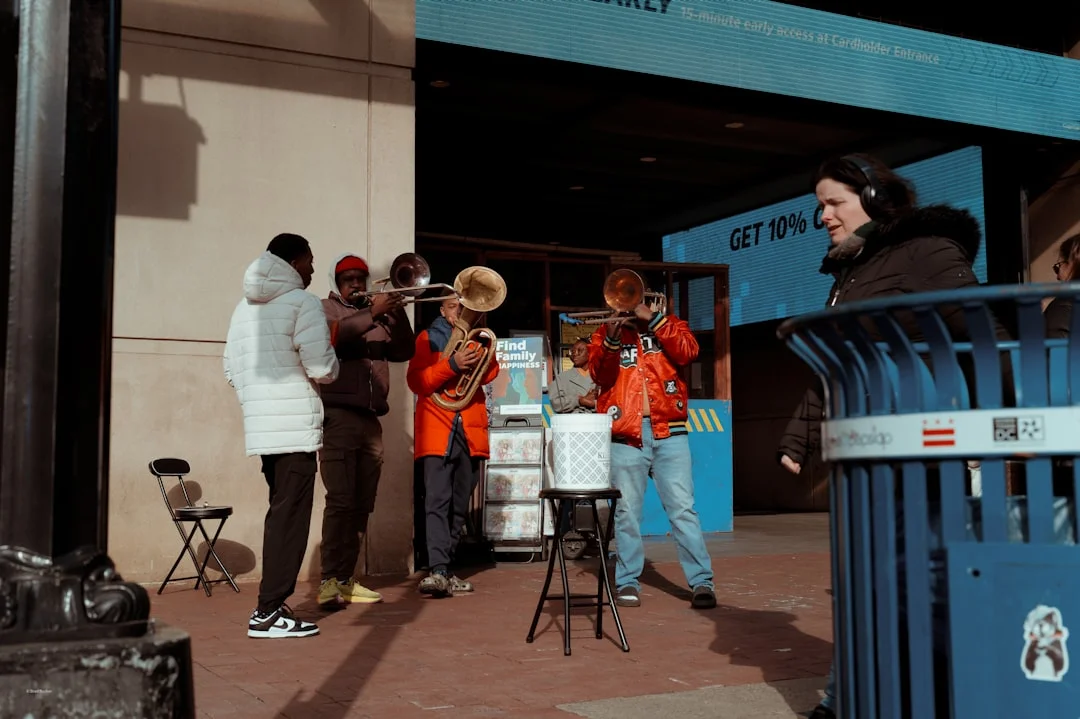
A soundscape-focused citizen science initiative in DC could become a valuable tool for understanding how noise affects health, stress, sleep, and overall well-being across neighborhoods. Soundscape research emphasizes the ways in which acoustic environments shape daily life and how modulations in sound can reflect broader urban dynamics, from traffic patterns to green space use. In a city like DC, where neighborhood differences in exposure to sound can be pronounced, citizen-generated data could complement official noise measurements and help identify underserved areas that require targeted interventions. The link between perceived sound environments and objective measurements, explored in international research, underscores why public engagement in monitoring can be meaningful for policy and equity. (sciencedirect.com)
Policy Context: Noise Management and Public Spaces
Public agencies tasked with maintaining livable urban environments increasingly rely on a mix of official sensors and community input to manage noise and plan public spaces. DC’s broader planning and environmental stewardship agendas—such as Sustainable DC Progress—which emphasize data-driven decision-making and community involvement, provide a policy backdrop for future soundscape initiatives. If DC were to implement a soundscape citizen science program, it could align with these ongoing commitments by informing zoning decisions, park design, traffic calming measures, and public health programs. The goal would be to translate acoustic data into practical actions that improve the urban experience for residents and visitors alike. (sustainable.dc.gov)
Technology, Sensors, and Market Trends
From a technology perspective, urban sound monitoring sits at the intersection of sensors, data platforms, and citizen science workflows. News and industry coverage around urban sensing—ranging from real-time dashboards for water quality to city-scale sensor deployments—demonstrates a growing appetite for accessible, transparent data. While not specific to a DC soundscape program, these developments illuminate the kinds of tools and infrastructure that could support a DC urban soundscape citizen science 2026 effort: low-power sensor networks, open data portals, mobile apps for participant reporting, and visualization dashboards that translate raw decibel readings into understandable maps for the public. In addition, research into soundscape assessment shows how geospatial context can influence perceived acoustic quality, which is relevant for designing data collection and interpretation in a city with diverse land uses and noise sources. (soundscapemonitoring.us)
Community Engagement and Public Trust
Citizen science is successful when communities feel ownership over data and trust in how it is used. DC programs focusing on environmental data have emphasized participant training, data quality controls, and transparent reporting. A DC urban soundscape citizen science 2026 initiative would likely need to articulate how residents’ contributions are validated, how their privacy is protected, and how the results inform public decision-making. The City Nature Challenge model—where participants contribute observations that are curated and shared with the public—offers a blueprint for balancing broad participation with credible data stewardship. Building on these experiences could help ensure that a future DC soundscape effort is both inclusive and scientifically robust. (armn.org)
Section 3: What’s Next
Potential Milestones and Next Steps
If a formal DC urban soundscape citizen science 2026 program is announced, readers should watch for several milestones:
- Official announcement with goals, governance, and data-sharing principles. This would set the baseline for public expectations and establish channels for community involvement.
- Pilot deployments and outreach campaigns in specific neighborhoods or corridors to test data collection methods, user interfaces, and privacy safeguards.
- Development or integration of a public data portal or dashboard that visualizes acoustic data, perhaps pairing it with other urban indicators (traffic volumes, park usage, or air quality).
- Training and certification opportunities for volunteers to ensure consistent data collection practices and to build local expertise in acoustics.
- Public reporting cycles that translate sensor readings and observations into policy-relevant insights for city agencies and community groups. In DC, these kinds of steps would be consistent with how other citizen science and environmental monitoring initiatives have evolved, as evidenced by related programs and dashboards already operating in the region. (doee.dc.gov)
What to Watch For: Indicators of Momentum
Key indicators that could signal movement toward a formal DC urban soundscape citizen science 2026 program include:
- Increased activity among DC-area citizen science networks and partner organizations focusing on acoustics, noise, or environmental monitoring.
- A formal work plan or whitepaper released by a DC agency or collaborating institutions detailing data standards, privacy protections, and governance for a citywide soundscape initiative.
- The launch of a pilot project in one or more districts with publicly accessible dashboards and a clear feedback mechanism for residents.
- Partnerships with universities or think tanks that bring acoustic modeling, geospatial analysis, or public health insights to the project, demonstrating a path from data collection to policy translation.
- Media coverage and community forums where residents express interest, ask questions, and propose neighborhoods for pilot testing. These signals would reflect the typical lifecycle of a city-scale citizen science initiative and would align with the broader pattern of data-driven urban governance observed in DC’s sustainability and technology efforts. (armn.org)
What’s Next (Continued): Data Mediation, Privacy, and Access
A DC urban soundscape citizen science 2026 program would need to address data governance head-on. This includes how to handle:
- Data quality assurance and metadata standards to ensure reliable comparisons across neighborhoods and time.
- Privacy safeguards for residents who contribute observations or voice data, especially if recordings might reveal private information.
- Access policies for researchers, policymakers, and the public, balancing open data with legitimate privacy and security considerations.
- Long-term sustainability, including funding streams, governance updates, and maintenance of data infrastructure and dashboards. These considerations reflect best practices in citizen science and public data programs and would likely feature prominently in any formal plan or announcement. The same general principles are already visible in DC’s approach to citizen science and monitoring programs, where training, standard procedures, and transparent data-sharing practices have been emphasized in related initiatives. (doee.dc.gov)
Closing
In a city as dynamic as Washington, DC, the idea of DC urban soundscape citizen science 2026 resonates with residents who want to understand and influence the acoustic environment in which they live. The convergence of citizen science networks, urban monitoring technologies, and evidence-based policy discussions creates a fertile ground for such an initiative to take shape. While readers should await official announcements to confirm specifics, the surrounding ecosystem—comprising city agencies, academic partners, and community organizations—already supports the kinds of collaboration and transparency that a credible soundscape program would require. For now, observers can follow ongoing DC efforts in environmental monitoring, open data dashboards, and community-engagement initiatives to gauge how such a program could integrate into the city’s broader commitments to livability, health, and public trust. As the 2026 timeline unfolds, the District’s approach to sound and silence in public space will be a useful lens through which to assess how urban governance can evolve in an era of citizen-powered data.
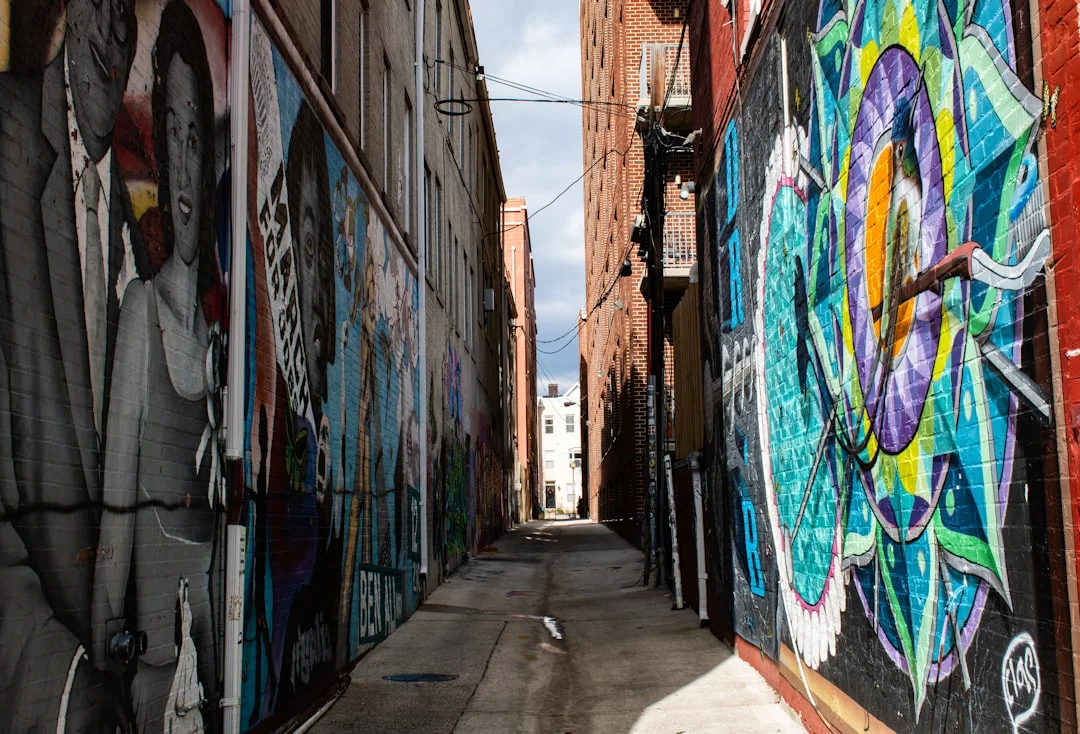
In the meantime, readers who want to stay informed about related developments in DC’s environmental data initiatives can track ongoing citizen science activities in the District, including citywide nature observation campaigns and neighborhood-level monitoring projects. These efforts illustrate how data-driven communities can contribute to better public spaces and more responsive governance—and they offer a concrete context for understanding what a DC urban soundscape citizen science 2026 program might entail when official details become public. (armn.org)