DC Streetcar Shutdown 2026: Commuter Guide

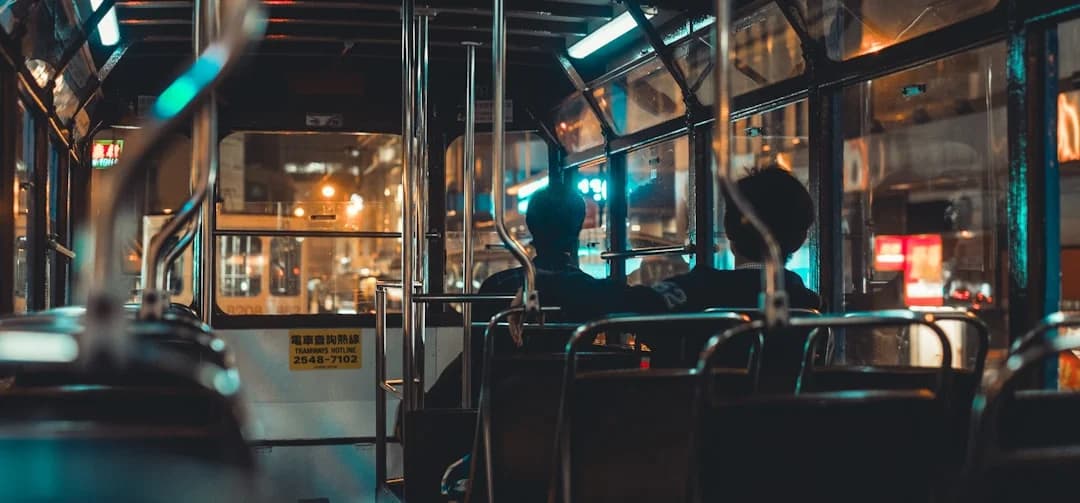
Photo by Sasha Kaunas on Unsplash
The District of Columbia is entering a new chapter in its multimodal transit strategy as DDOT has set a firm end date for the DC Streetcar. On October 28, 2025, the District Department of Transportation announced that the DC Streetcar service will end on March 31, 2026. The decision marks a major shift for the H Street Corridor and the broader transportation network, with riders urged to plan ahead and try alternative modes during the final months of operation. The closure, described by city officials as a budget-driven decision tied to ridership and long-term network goals, arrives after years of debate about the line’s role in a growing, multi-modal city. As part of the transition, DDOT is coordinating with WMATA’s Metrobus system to provide viable alternatives for current riders along the H Street Corridor, and information about Capital Bikeshare and other DDOT-managed options is being highlighted on the agency’s official channels. This development matters not only for daily commuters but also for neighborhood businesses that depend on foot traffic generated by streetcar access. The DC Streetcar shutdown 2026 is being framed as a watershed moment for how Washington, DC, balances rail investments with bus-based flexibility in a region facing ongoing budget constraints and evolving transit priorities. (ddot.dc.gov)
The District’s plan includes a phased approach to winding down operations, with a notable shift in early 2026. Beginning January 4, 2026, DDOT will eliminate Sunday service and implement revised operating hours with 20-minute headways during most of the week. The end-date remains March 31, 2026, at which point DC Streetcar service will cease entirely. Riders are being directed to WMATA’s D20 bus and other options as substitutes, and DDOT emphasizes that the corridor will continue to have transit service through alternative modes while a longer-term evaluation of the H Street/Benning Road corridor unfolds. The agency also notes access to Capital Bikeshare and other transportation options as part of the transition plan. This scheduled phase-down provides a clear, data-informed path for the District to reallocate capital and operating resources toward other priorities while seeking a more flexible, bus-first network along the corridor. (ddot.dc.gov)
The Washington Post's reporting and local outlets have framed the shutdown as a culmination of long-running debates about the streetcar’s cost and impact on the city’s broader transit ambitions. In May 2025, The Washington Post reported that Mayor Bowser’s budget plan proposes replacing the DC Streetcar with a “next generation” electric bus, arguing that the existing streetcar network—limited to a single 2.2-mile line—has not delivered the envisioned scale or return on investment. The Post noted that the more flexible electric bus approach would reuse the existing overhead wires, potentially lowering ongoing costs and enabling faster expansion if future funding allows. The reported price tag for extending the streetcar to Benning Road was cited as a major factor in the decision to pivot toward bus-based technology. This shift aligns with broader discussions about how cities invest in rail versus bus networks in an era of fiscal pressures and evolving mobility needs. (washingtonpost.com)
The timing of the shutdown has generated a wide range of reactions. Local businesses on H Street have voiced concerns about losing a distinctive transit amenity that played a role in attracting patrons and shaping corridor identity. Atlas Performing Arts Center and other stakeholders have warned that removing the streetcar could affect foot traffic and patron access to cultural venues along the corridor. Metro officials, while reiterating that a robust bus network remains available, have stressed that the D20 bus route already provides frequent service along the streetcar corridor and is a backbone of transit in the area. The district’s decision is being positioned as a budget-driven transition rather than a sudden halt in service, with the city describing the move as part of a broader process to reevaluate the corridor’s role within a multitransit future. >“Removal of access to this corridor is just one more roadblock for people to patronize businesses on H Street,” said Atlas’s leader, reflecting the concerns of small businesses across the corridor. (thewash.org)
Section 1: What Happened
Official announcement and key dates
DDOT’s formal notice and end date
The District Department of Transportation issued an official press release detailing the shutdown plan. The release states that DC Streetcar service will end on March 31, 2026, and that riders should begin planning for alternatives well in advance. The release underscores that, after the March 31 date, the streetcar will no longer operate. It also notes that DDOT is coordinating with WMATA to ensure a smooth transition for riders during the final months of service. The key upshot is a defined end date and a structured transition to alternative transit options. The release also directs readers to DDOT’s website for travel guides, access to Capital Bikeshare, and other transportation options in the District. The official date and coordination plan are central to understanding the shutdown’s timeline. (ddot.dc.gov)
January 4, 2026: the start of a phased shutdown
DDOT’s plan calls for a phased reduction beginning January 4, 2026. Specific changes include the elimination of Sunday service and revised operating hours with 20-minute headways on weekdays and Saturdays. This phase marks a deliberate, incremental winding down that reduces the streetcar’s role while the city studies alternatives and potential network changes. The exact schedule change details, including weekday and Saturday hours, are spelled out in DDOT’s release and are essential for riders planning their commutes in early 2026. (ddot.dc.gov)
End date: March 31, 2026
The DC Streetcar will cease operations on March 31, 2026, according to the DDOT press release. The end date formalizes a years-long conversation about the line’s future and sets a fixed point at which a broader transit strategy for the corridor will be implemented. DDOT emphasizes that riders should prepare for alternatives in the months leading up to the end date, and the agency reiterates its commitment to offering guidance on bus, bike, and other transit options during the transition. This end-date milestone is the focal point of the broader shift away from a dedicated streetcar solution toward a more flexible bus-based approach along the H Street Corridor. (ddot.dc.gov)
Operational adjustments and scheduling changes
Reduced service ahead of closure

Starting January 4, 2026, the DC Streetcar will operate with reduced service, including the elimination of Sunday service and adjusted daily hours. The revised schedule includes weekday operations from 6:00 AM to 10:00 PM and Saturday operations from 8:00 AM to 10:00 PM, all with approximately 20-minute headways. These changes are designed to align with anticipated ridership patterns during the wind-down period while DDOT works with WMATA on rider alternatives. The schedule adjustments are a critical piece of the transition, signaling to riders and businesses that the streetcar’s role will be diminishing well before the March 31 closure date. (ddot.dc.gov)
Final day and service cessation
On March 31, 2026, the DC Streetcar will stop operating entirely. After that date, riders must rely on alternative transit modes, primarily WMATA’s D20 bus along the H Street corridor, as well as the region’s other multimodal options. The official press release emphasizes the transition as a coordinated effort to preserve continuous transit access during the shutdown period, with information provided on DDOT’s site and through partner agencies. This end-date moment is a public-facing conclusion to a ten-year period of planning, construction, and operation that began with the H Street NE streetcar in 2016. (ddot.dc.gov)
Stakeholder responses and immediate reactions
Business and cultural anchors voice concerns
The end of DC Streetcar service is receiving a mix of responses from corridor stakeholders. Atlas Performing Arts Center, a cultural anchor on H Street, has highlighted the potential impact on patron access and evening programming, warning that the loss of streetcar access could affect attendance and engagement with events. The concern is that a significant portion of H Street’s foot traffic, driven by cultural venues and dining, could shift to other parts of the city if alternative transit is not sufficiently robust. This sentiment is echoed in local commentary and coverage from The Wash, which documents the perceived trade-offs between preserving a distinctive transit feature and pursuing a more expansive bus-centric network. (thewash.org)
“Removal of access to this corridor is just one more roadblock for people to patronize businesses on H Street,” said Atlas’s Jarrod Bennett, illustrating the perceived risk to corridor vitality. (thewash.org)
Transit agency and policy context
Transit officials have framed the shutdown within a broader policy and budget context. The Washington Post’s reporting on Bowser administration planning indicates a shift toward electric buses as the “next generation streetcar” solution, with a focus on cost control and scalability. The article highlights the streetcar’s high operating costs relative to bus-based alternatives and notes that the city is prioritizing flexibility and faster expansion potential as part of a revised transit strategy. While Metro officials stressed the continuity of bus service along the corridor, the overall tone of the coverage underscores a policy pivot away from a single-rail streetcar network toward a more bus-centric approach, reflecting wider trends in urban transit funding and program delivery. (washingtonpost.com)
What this means for the region’s transit market
Cost, ridership, and capital decisions

The DC Streetcar’s shutdown 2026 places a spotlight on the ongoing tension between capital-intensive rail projects and the more nimble, cost-controlled potential of electric buses. The DC budget discussions tied to the streetcar have emphasized the need to reallocate scarce resources to network elements with broader coverage and adaptability. The Washington Post notes that extending the line to Benning Road would require a substantial capital investment, a factor in the decision to pivot toward buses that can be deployed more rapidly and at a lower incremental cost. In this frame, the city’s decision can be read as part of a broader pattern of cities re-evaluating streetcar investments in light of ridership performance and changing funding realities. (washingtonpost.com)
Implications for the H Street corridor and adjacent neighborhoods
The H Street Corridor has benefited from a revived commercial and cultural scene since the streetcar’s debut in 2016, but the long-running debates about its scope and value have produced a more skeptical view of rail expansion. The wind-down will push businesses to adapt to bus-based mobility and potential alternative transit enhancements along the corridor. The corridor’s resilience will hinge on the effectiveness of WMATA’s D20 bus service redesign and the city’s ability to deliver timely information, improved access, and reliable connections to other modes. The Wash’s reporting on the potential for a broader crosstown transit strategy—coupled with Metro’s emphasis on bus-based equivalents—suggests a transitional period in which cross-agency coordination will be essential for maintaining mobility during and after the shutdown. (thewash.org)
Broader regional context: rail versus bus in urban mobility planning
Within the District, the DC Streetcar shutdown 2026 aligns with a broader national conversation about the role of streetcar and light-rail networks in mid-sized urban settings. The push toward electric bus technology as a replacement aligns with trends in other regions, where agencies weigh the cost-benefit of rail expansions against bus-based rapid transit and electrified bus fleets. The Washington Post’s analysis highlights that the “next generation streetcar” concept may be realized as a bus-based solution that leverages existing overhead power to deliver a similar passenger experience with lower capital exposure. This recurring theme—prioritizing flexible, quickly deployable transit improvements over multi-decade rail commitments—helps situate the DC Streetcar shutdown within a wider market and policy context. (washingtonpost.com)
Section 2: Why It Matters
Impact on riders and the local community
Who is affected and how
The DC Streetcar shutdown 2026 affects daily riders along the H Street Corridor and Benning Road access points, including residents who rely on transit for work, school, and essential services. The H Street corridor has historically relied on a mix of transit options, with the streetcar providing a free, accessible mode of travel that connects neighborhood anchors, offices, and cultural venues. The winding-down plan emphasizes maintaining alternatives to avoid a complete service gap. WMATA’s D20 bus, along with other bus routes and Capital Bikeshare options, are positioned as critical substitutes during the wind-down period. The shift also impacts employers who depend on stable foot traffic and predictable access for patrons and employees. (ddot.dc.gov)
Economic and social implications
Businesses along H Street have expressed concern that the end of the streetcar could reduce patronage, particularly for evening performances and dining events that attract visitors who previously used the streetcar for easy access. The corridor’s economic revival since the streetcar’s inception has been praised, but the shutdown introduces uncertainties about how quickly bus-based alternatives can replicate the streetcar’s convenience and how this may influence the neighborhood’s momentum. The Wash highlights these concerns and notes that the corridor’s vitality will depend on how well the alternative transit services can maintain access and minimize inconvenience for riders and visitors. (thewash.org)
Public perception and communication
Effective communication will be critical as the District navigates the end-of-service period. DDOT’s public-facing messaging emphasizes planning tools, travel guides, and access to other modes, signaling a proactive approach to minimize disruption. The district’s coordination with WMATA and the emphasis on traveler resources reflect an understanding that information, not just infrastructure, will play a central role in maintaining mobility during the transition. The cadence of announcements—January 4, 2026 adjustments followed by the March 31, 2026 closure—offers a clear timeline for riders to adapt and plan. (ddot.dc.gov)
Broader transit market implications and policy signals
A shift toward bus-based flexibility

The announced transition signals a broader policy preference for bus-based networks when budgets and ridership metrics favor a more adaptable, lower-capital solution. The Washington Post article frames the plan as a strategic pivot rather than a simple termination of streetcar service, highlighting the city’s intent to preserve transit connectivity while pursuing a more scalable, cost-controlled approach. This reflects a growing trend in urban transit planning where agencies weigh the long-term viability of rail infrastructure against the opportunity to repurpose funds for more flexible, bus-based mobility options. (washingtonpost.com)
Implications for future streetcar projects
For other cities watching Washington, the DC Streetcar shutdown 2026 may reinforce a model in which streetcar ambitions are recalibrated in favor of shorter, more targeted rail ambitions or a transition to trolley-bus solutions that reuse power infrastructure. The debate around Benning Road extension—whether a rail extension could justify the cost—ties into a broader question about the scalability of streetcar networks in the modern transit landscape. DDOT’s Appendix materials and related budget documents indicate ongoing interest in corridor improvements and potential extensions, but the immediate priority appears to be cost containment and maintaining mobility through flexible electric bus options. (dccouncil.gov)
Section 3: What’s Next
Next steps for riders and the corridor
Practical guidance for riders
As the wind-down unfolds, riders should begin planning now for alternatives along the H Street Corridor. DDOT’s guidance points to WMATA’s D20 bus as a primary substitute, with accessible connections to Capital Bikeshare and other DDOT-managed mobility options. Travelers are encouraged to monitor the DDOT website for detailed travel guides and to use regional trip-planning tools to map out morning and evening commutes. Metro’s Better Bus Partner program, noted in The Wash’s coverage, represents a broader push to redesign and improve bus service in the wake of the streetcar’s retirement, offering potential improvements in reliability and frequency as the transition progresses. Staying informed through official channels will be essential for avoiding service gaps. (ddot.dc.gov)
What to watch for in 2026 and beyond
In the months leading to March 31, 2026, the transit ecosystem will likely reveal how the system absorbs the wind-down. Watch for: (1) specific WMATA D20 bus adjustments in the corridor, including frequency and hours of operation; (2) any corridor studies or pilot programs announced by DDOT to test electric-bus or other modes along the H Street/Benning Road corridor; (3) updates on potential long-term streetcar or trolley-bus concepts, including any funding decisions or voter referenda that could influence future mobility options. The DC Council and the Mayor’s Office have signaled a willingness to reconsider transit investments in light of evolving budgets, so these updates could shape near-term mobility options in the District. (nbcwashington.com)
Timeline snapshot: key dates to remember
- January 4, 2026: Elimination of Sunday service; revised operating hours with 20-minute headways begin.
- March 31, 2026: DC Streetcar service ends; no further operations.
- October 28, 2025: DDOT announces the end date and wind-down plan (public release date for the March 31, 2026 end).
- Early 2026 onward: Priority for WMATA D20 bus and other transit options; corridor plan and potential future studies underway. (ddot.dc.gov)
Closing
The DC Streetcar shutdown 2026 marks a decisive inflection point in the District’s transit policy and market strategy. As the city transitions from a rail-based pilot toward a bus-centered approach, readers, riders, and corridor businesses will be watching closely how the replacement bus network performs, how quickly additional transit innovations can be deployed, and whether longer-term plans for a broader streetcar network regain momentum in a different funding climate. The official channel to stay updated remains the District’s DDOT site, along with WMATA’s trip-planning resources and Capital Bikeshare information. For residents and workers along the H Street Corridor, the next six to twelve months will test how well the city can preserve mobility, minimize disruption, and sustain the corridor’s economic and cultural vitality through a period of transit transition.
As the District winds down the DC Streetcar, the data-driven question becomes how well a flexible bus-forward strategy can deliver the same or better accessibility, while preserving the neighborhood’s character and momentum. The answers will emerge through ongoing coordination among DDOT, WMATA, and local stakeholders, with rider experience and economic resilience serving as the primary barometers of success.