DC Nightlife Districts 2026: a Data-Driven Guide
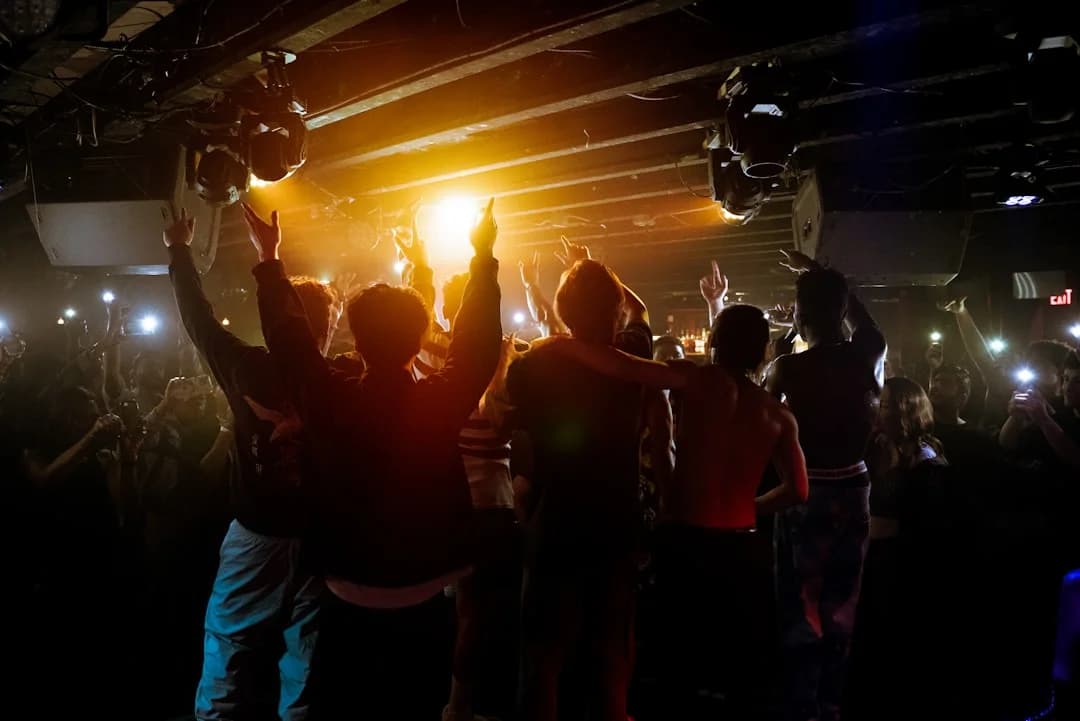
Photo by Harrison Mitchell on Unsplash
DC nightlife districts 2026 are entering a moment of recalibration as policy reforms, market dynamics, and technology-enabled operations intersect to reshape where residents and visitors socialize. In early 2026, city leaders and business stakeholders signaled a renewed focus on how nightlife districts can drive economic vitality while balancing public safety and neighborhood quality of life. The central question for readers of District of Columbia Times is not only where people are going to drink, listen to live music, and dine late, but how innovations in licensing, outdoor spaces, data analytics, and mobility will influence those choices through 2026 and beyond. This period also brings heightened attention to the tech-enabled aspects of nightlife—from reservations and contactless payments to data-driven safety and crowd management—within a city that has long leaned on a blend of historic corridors and evolving districts to shape its after-hours economy. The conversation is timely because the city is actively experimenting with regulatory tweaks and infrastructure changes intended to support a broader, safer, and more vibrant nightlife ecosystem. In this context, the keyword DC nightlife districts 2026 frames a cross-district portrait of where the action is, who is shaping it, and what readers should watch as the year unfolds. (mayor.dc.gov)
Two developments set the stage for the current moment. First, a citywide policy package aimed at modernizing the hospitality sector and accelerating the integration of nightlife into the District’s broader economy was introduced in early 2026. The DC Hospitality Amendment Act of 2026 proposes streamlined licensing, expanded use of outdoor spaces, and new license types designed for business improvement districts to permit alcohol service in outdoor public areas under city oversight. The package is framed by officials as a critical step toward reopening and sustaining DC’s nightlife economy, while preserving safety and compliance requirements. The proposal includes provisions that would, for example, waive certain licensing fees for specific cultural establishments and enable outdoor activity in arts-and-culture districts to thrive alongside the core nightlife corridors. This is a cornerstone development for DC nightlife districts 2026, with implications for operators, residents, and visitors alike. (mayor.dc.gov)
Second, market observers note a visible rebuilding of the core nightlife corridors, with openings, reopenings, and new concepts expanding the city’s late-night offerings. Across corridors like U Street, Shaw, and 14th Street NW, venues are expanding hours, upgrading experiences, and integrating technology to manage demand, safety, and guest engagement. Notable recent examples include a high-design rooftop experience in Shaw that opened in late 2025 and continues to draw crowds into 2026, alongside reopenings of iconic institutions on 14th Street that signal a broader confidence in the District’s revival of after-dark activity. These developments are helping DC nightlife districts 2026 emerge as a more differentiated, mission-focused ecosystem—one that blends legacy clubs with modern concepts and data-driven operations. (districtofcolumbiatimes.com)
Opening data-driven context on the city’s downtown core, planners and business groups convened a major industry update on May 7, 2026. The State of Downtown Forum 2026, hosted by the DowntownDC BID, highlighted the district’s ongoing economic evolution and the role nightlife plays in downtown’s competitiveness. The forum stressed that people with big ideas drive Downtown’s future, underscoring a coordinated effort among policymakers, business leaders, and cultural institutions to sustain growth while addressing safety, mobility, and resident concerns. The forum’s emphasis aligns with the broader narrative around DC nightlife districts 2026 as a data-informed pivot toward smarter, safer, and more connected after-hours districts. (downtowndc.org)
In parallel, public safety and mobility policy moves are shaping how late-evening activity unfolds. The District’s authorities implemented an emergency juvenile curfew in late spring 2026 to address disorder risks associated with high-traffic nightlife corridors, with curfews extending across multiple zones and periods designed to keep streets safe while allowing legitimate commerce to continue. The policy and its enforcement posture are receiving attention from operators and residents who want to understand how late-night crowds will be managed in practice, especially in dense nightlife corridors. These steps are part of a broader public-safety framework that intersects with nightlife districts 2026, including ongoing talks about balance between enforcement, youth services, and commerce. (mayor.dc.gov)
Section 1: What Happened
licensing reforms and new outdoor spaces The centerpiece of the current policy discussion is the DC Hospitality Amendment Act of 2026, a package designed to reduce friction for nightlife businesses while expanding controlled outdoor consumption in select corridors and districts. The act contemplates waiving certain application and licensing fees for cultural venues such as art galleries and bookstores for the first three years, a measure intended to spur foot traffic, cross-pollination between nightlife and culture, and broader neighborhood vitality. It also creates a new license type for Business Improvement Districts (BIDs) to sell, serve, and permit alcohol in outdoor public spaces under District control, a move that could unlock more outdoor dining and late-night socialization in hallmark nightlife corridors and downtown districts. Additionally, the act enables DC sports venues to obtain a Commercial Lifestyle license to host outdoor alcohol service during specially closed street events, a provision aimed at leveraging large events to sustain post-event activity. The package is being framed as a method to modernize DC’s licensing process, accelerate economic recovery in the hospitality sector, and provide scalable tools for nightlife districts 2026 to thrive, while preserving appropriate safeguards. (mayor.dc.gov)
new venue openings and reopenings across corridors As policy groundwork advances, the real-world urban fabric of DC nightlife districts 2026 continues to evolve. On 14th Street NW, Buffalo Billiards announced a Spring 2026 reopening, reviving a longtime bar and entertainment venue in the heart of one of DC’s historically vibrant nightlife corridors. The reopening is positioned as part of a broader refresh of the 14th Street social economy, where late-night dining, music, and gaming venues are seeking to anchor the street’s post-2025 rebound. The project illustrates how legacy nightlife brands aim to re-enter the District’s after-hours rhythm, leveraging the new licensing and outdoor-dining flexibilities that policymakers have discussed. The redevelopment narrative on 14th Street is one of several in DC nightlife districts 2026 where old assets are being upgraded to meet modern expectations for atmosphere, safety, and digital convenience. (popville.com)
In neighboring Shaw, a high-design rooftop bar and lounge opened in late 2025, signaling a shift toward premium nightlife experiences that blend culinary offerings, music programming, and social media-ready spaces. The Shaw venue is cited as part of a broader trend toward elevated nightlife experiences that attract a more diverse audience, including professionals seeking after-work socialization and visitors looking for distinctive hotel-and-venue combinations. This trend is consistent with other District corridors where hospitality brands are expanding footprint and hours, while leveraging outdoor and terrace spaces that align with new regulatory flexibilities. The convergence of design-forward venues with policy support is a hallmark of the DC nightlife districts 2026 landscape, underscoring technology-enabled guest experiences, safety innovations, and data-informed operations. (districtofcolumbiatimes.com)
The LGBTQ nightlife scene on the city’s iconic corridors has also continued to evolve, with neighborhood pockets on U Street and adjacent blocks offering a mix of traditional bars and new concept spaces. A 2026 profile in Washingtonian highlights how specific streets and corners have become hubs for LGBTQ nightlife, reflecting both historical traditions and modern diversification. The piece notes the emergence of new venues in the area along with long-standing spots that continue to draw crowds into late hours, illustrating the resilient and adaptive nature of DC nightlife districts 2026. This evolving sector demonstrates how data, community input, and business strategy intersect to shape the district’s social fabric. (washingtonian.com)
public safety and compliance updates Policy makers and law-enforcement officials have also signaled a sustained focus on safe, orderly late-night operations. The adoption of emergency curfews and zone-specific enforcement measures for the summer and early fall 2026 is part of a broader safety framework that aims to reduce disorder while preserving business activity. The curfew approach, described in official documents and coverage, emphasizes targeted zones and time windows that allow legitimate nightlife to continue while mitigating spillover risks associated with high-density corridors. The formal documentation and public communications around these curfews are important for operators who need to plan staffing, programming, and procurement in alignment with city requirements. (mayor.dc.gov)
Section 2: Why It Matters
economic implications for the nightlife economy

Photo by Syed F Hashemi on Unsplash
The confluence of licensing reforms, outdoor space provisions, and targeted safety measures signals a deliberate strategy to bolster DC’s nightlife economy while protecting residents’ interests. From an economic perspective, the proposed and provisional changes reduce barriers to entry for culturally oriented venues and enable more robust outdoor dining and drinking experiences, which have become a staple of the modern nightlife mix. Early indicators from the downtown and corridor-focused business groups suggest that streamlined licensing can shorten time-to-market for new concepts and enable operators to optimize capacity and pricing in response to demand surges. In a city where nightlife is a sizable contributor to hospitality revenues, the policy package is designed to unlock incremental, sustainable growth by expanding permissible activity without compromising safety standards. Analysts and operators will be watching how the new licenses, outdoor space rules, and event-driven permissions translate into foot traffic, employment, and tax receipts in 2026 and beyond. (mayor.dc.gov)
neighborhood and resident impacts Nightlife districts in DC sit at the intersection of entertainment, housing, transportation, and safety. The curfew measures and enforcement efforts are intended to balance the vitality of late-night economies with community concerns about noise, litter, and public safety. City officials argue that the curfews help ensure safer streets during peak activity periods, while operators contend that the rules must be predictable and consistently enforced to avoid operational disruption. For residents, a more predictable late-night environment can improve quality of life and reduce spillover conflicts, but it also places higher emphasis on responsible management by venue operators and well-coordinated law enforcement. The ongoing dialogue between districts, residents, and businesses in this space will shape how DC nightlife districts 2026 coexist with neighborhoods in the months ahead. (mayor.dc.gov)
technology and data-driven trends reshaping operations A defining characteristic of the DC nightlife districts 2026 landscape is the increasing integration of technology and data into everyday operations. Licensing reforms, outdoor-space provisions, and downtown mobility plans create a more hospitable environment for tech-enabled solutions—ranging from contactless payments and digital reservations to real-time capacity management and crowd-safety analytics. Planners emphasize the role of data-driven decision-making in optimizing venue performance, improving safety, and delivering better guest experiences. The Downtown Transportation Plan and related urban mobility initiatives are part of an ecosystem that supports after-dark activity by facilitating safer, more efficient transit and pedestrian flows during late hours. Operators are anticipated to invest in data dashboards, occupancy sensors, and digital permit processes that streamline compliance while enhancing guest satisfaction. As policies evolve, data transparency and interagency coordination will be critical to ensuring that DC nightlife districts 2026 deliver consistent, measurable improvements in both economic and social outcomes. (downtowntransportationplan.com)
cultural and tourism implications The evolving nightlife districts in DC also have cultural and tourism dimensions. The city’s approach to nightlife often intersects with cultural districts and arts programs, which can help attract a broader audience and diversify the nighttime economy. A 2026 industry profile and local coverage show that venues across corridors are experimenting with programming that blends live music, interactive experiences, and multi-sensory dining—an approach that positions DC nightlife districts 2026 as a magnet for both local residents and out-of-town visitors seeking distinctive experiences. The integration of live performances, themed nights, and cross-pollination with museums and cultural institutions can extend the appeal of DC’s nightlife beyond traditional bar crawls, contributing to a more resilient, multi-generational audience. (washingtonian.com)
economic and policy context for 2026 The policy environment around DC nightlife districts 2026 cannot be understood in isolation. It sits within a broader city strategy that includes hotel development, transportation planning, and neighborhood-scale economic development. District-level reports and coverage note ongoing hotel projects and the city’s broader hospitality ecosystem, with 2026 being a year of both caution and opportunity as operators adapt to evolving licensing, safety standards, and consumer expectations. The District’s continued emphasis on a coordinated approach—linking downtown vitality with neighborhood nightlife—suggests a future in which data-driven governance and private-sector innovation work in tandem to sustain DC’s after-hours economy. (districtofcolumbiatimes.com)
Section 3: What’s Next
timeline and next steps Looking ahead, several near-term milestones will shape the trajectory of DC nightlife districts 2026. The State of Downtown Forum 2026, held on May 7, 2026, is central to articulating the administration and BID perspectives on downtown vitality, including the role of nightlife in economic revival and urban livability. Operators and investors will watch for concrete policy cues on licensing timelines, permit processing improvements, and the scale of outdoor-dining permissions. The hospitality amendments and related regulatory discussions are expected to translate into a series of implementation steps over the second half of 2026, with potential pilot programs in specific corridors designed to test the viability of new licenses in real-world settings. In practice, this means venue operators should prepare for phased changes in permitting workflows, outdoor-site approvals, and collaborative efforts with BIDs and the DC Alcoholic Beverage Regulation Administration to ensure compliance and timely activation of outdoor spaces. (downtowndc.org)
watch for regulatory and market signals Beyond formal policy rollouts, DC nightlife districts 2026 will be influenced by how the city manages crowd safety, transit reliability, and neighborhood acoustics. The emergency curfews and zone-based enforcement will continue to be a barometer for how late-night activity coexists with residential neighborhoods. Observers will monitor curfew zone designations, enforcement patterns, and any changes to penalties or exemptions that could affect hours of operation for bars, clubs, and live-m music venues. Mobility improvements and the Downtown Transportation Plan’s implementation milestones will also be important, as better transit and pedestrian access can extend the operating hours of nightlife districts and improve safety outcomes for both patrons and residents. (mayor.dc.gov)
how operators can navigate the coming months For venue operators, the coming months will require careful alignment of programming, licensing, and safety protocols with the city’s evolving rules. Restaurants and bars may explore outdoor-dining configurations that maximize usable space and revenue without compromising safety, while art and cultural venues could benefit from the fee-waiver provisions for eligible establishments. Investors are likely to look for data-driven proof points—foot-traffic analytics, occupancy management, and real-time compliance dashboards—that demonstrate how new policies translate into tangible outcomes. The 2026 landscape is thus likely to reward operators who can blend design-led guest experiences with rigorous operational discipline, supported by technology-enabled processes that simplify permitting and enhance guest safety. (mayor.dc.gov)
closing
The push to modernize DC nightlife districts 2026 is about more than extending hours or adding new venues. It is about building a coherent, data-informed ecosystem where policymakers, business operators, residents, and visitors share a clear view of priorities: safety, accessibility, vibrant cultural offerings, and sustainable economic growth. The city’s work on licensing, outdoor space usage, and mobility is not happening in a vacuum; it is being calibrated against measurable indicators—foot traffic patterns, economic activity, and safety metrics—that can guide future policy adjustments and private-sector investments. As DC’s corridors continue to evolve in 2026, readers and stakeholders should stay engaged, monitor official updates, and participate in public discussions about how nightlife districts 2026 can flourish while maintaining the character and livability that define the District. The coming months will reveal how effectively policy and practice align to deliver a more dynamic, inclusive, and data-driven nightlife landscape for the District of Columbia.
The District of Columbia Times will continue to monitor licensing developments, venue openings, and mobility initiatives across DC’s nightlife corridors, providing timely updates and in-depth analysis of what changes mean for local residents, workers, and visitors. By keeping a close eye on corridor-level trends and citywide policy shifts, we aim to deliver clear, actionable information for stakeholders who rely on data-driven insights to navigate the evolving DC nightlife districts 2026.