DC Community Solar Expansion 2026: Expanding Neighborhoods

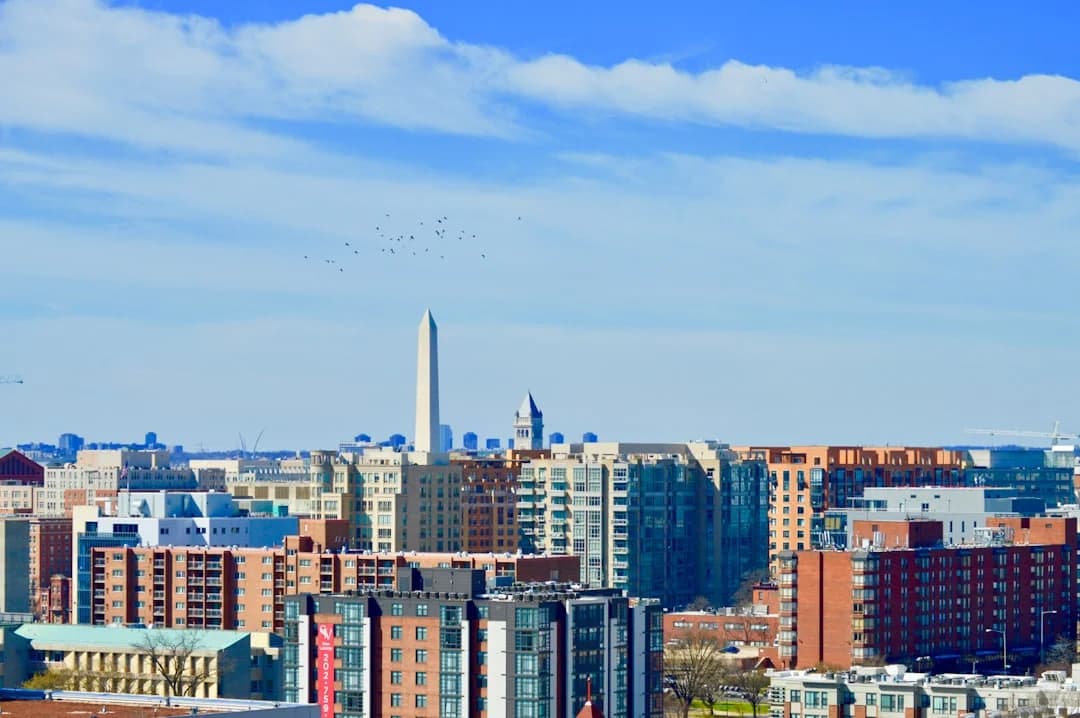
Photo by Andra C Taylor Jr on Unsplash
The District of Columbia is moving forward with a major push to broaden access to solar energy under the Solar for All program, a marquee effort to lower energy costs for low- and moderate‑income households. In early 2026, the DC Sustainable Energy Utility (DCSEU), in partnership with the District Department of Energy and Environment (DOEE), announced a significant expansion funded by a federal grant designed to accelerate adoption of both rooftop and community solar projects. The initiative aims to bring clean, affordable power to tens of thousands of DC residents, building on years of prior progress and signaling a more expansive, equity‑focused solar strategy for the city. The expansion centers on a Greenhouse Gas Reduction Fund investment from the U.S. Environmental Protection Agency, totaling more than $62 million, and is expected to deliver benefits to thousands of additional households across the District. The program’s stated goal is to deliver real savings for participants, including an average annual bill reduction, reinforcing the District’s broader climate and affordability objectives. This push comes at a time when DCSEU reports ongoing, multifaceted progress across Solar for All, Affordable Home Electrification, and related initiatives, underscoring the administration’s preference for scalable, locally managed clean energy programs. (dcseu.com)
What Happened
Announcement and funding details
- In a coordinated effort with DOEE, the DCSEU announced a major expansion of Solar for All supported by a $62.45 million EPA Greenhouse Gas Reduction Fund award. The program will expand access to clean solar energy for an additional 12,000 low‑ and moderate‑income households, significantly building on the roughly 10,000 households already served by Solar for All. The DCSEU serves as the administrator for direct incentive payments that enable developers to deploy both rooftop and community solar projects. This funding is framed around delivering tangible bill savings to participants—an average of about $500 annually per household, according to DCSEU’s statement. (dcseu.com)
Program structure and pipeline
- Solar for All is a District‑level initiative designed to deliver benefits to income‑qualified residents through a mix of community solar facilities and individual rooftop projects. A Department of Energy and Environment overview describes Solar for All as a program intended to expand solar capacity for low‑income households, with enrollment and project development coordinated by the DCSEU in partnership with DOEE. The program is explicitly aimed at renters and residents of multifamily buildings who cannot install solar on their own roofs. In 2016, DC established the Solar for All framework, and since then it has evolved to include a range of community solar and efficiency measures. The current expansion is presented as a next step in widening access and ensuring broader participation across the District. (doee.dc.gov)
Near‑term milestones and quarterly progress
- The DCSEU’s FY2026 Quarter 2 Report highlights ongoing momentum, including the Solar for All program and the Community Renewable Energy Facility (CREF) updates. The report notes that DCSEU is advancing these programs in collaboration with DOEE, and it documents concrete milestones in the period from January 1 to March 31, 2026. Among the highlighted items are milestone‑driven payments for CREF projects and a continuing focus on expanding access to affordable, clean energy for District residents. The report also marks a milestone of the DCSEU’s 15th anniversary of operation and references ongoing large projects under the Affordable Housing Retrofit Accelerator, underscoring the broader ecosystem surrounding Solar for All. (doee.dc.gov)
Key payments and early outcomes
- In the second quarter of FY 2026, the DCSEU issued incentive payments totaling $210,000 for milestone payments related to CREF projects, illustrating the scale and pace of program implementation within the Solar for All framework. The update also notes continued monitoring of production from the inventory of CREF projects, signaling active management of new and existing solar installations. These financial outlays and monitoring activities are part of the broader effort to convert planned capacity into measurable, on‑the‑ground benefits for DC residents. (doee.dc.gov)
Why It Matters
Economic benefits for residents
- The expansion is explicitly framed around affordability, with DCSEU projecting meaningful bill reductions for participants. The EPA‑funded expansion is expected to extend the program’s reach to thousands of new households, complementing the District’s existing efforts to mitigate energy burden for low‑income residents. The reported average savings of about $500 per year per household, as highlighted by DCSEU, translates into direct financial relief for families navigating higher energy costs in winter and summer peaks. This emphasis on tangible savings aligns with the broader Solar for All objective of reducing electricity bills while expanding access to clean energy. (dcseu.com)
Energy security and environmental impact
- By expanding community solar and rooftop solar deployment, the District seeks to diversify its energy mix and increase local, emissions‑free generation. The Solar for All program is part of a broader DC strategy to accelerate decarbonization, improve grid resilience, and align with city‑level climate targets. The DCSEU’s quarterly and annual reporting emphasizes a track record of energy cost savings, broader market impacts, and a growing inventory of solar projects that contribute to lower greenhouse gas emissions and reduced dependence on fossil fuels. (doee.dc.gov)
Equity and access considerations
- DC has a well‑documented history of using targeted solar programs to address energy inequities, dating back to Solar for All’s inception in 2016. The DC‑based community solar framework aims to ensure participation by income‑qualified households, renters, and residents of multifamily buildings who might otherwise face barriers to solar adoption. Analyses from the Institute for Local Self‑Reliance (ILSR) and other observers emphasize the program’s role in advancing energy democracy and accessibility for District residents. The expansion in 2026 continues that focus, both by broadening eligibility criteria where applicable and by expanding the portfolio of community solar projects under CREF and related components. (ilsr.org)
Grid resilience and system integration
- Beyond direct bill savings, the Solar for All expansion is positioned within a broader set of DCSEU programs that address energy efficiency, retrofits, and electrification. The FY2026 Quarter 2 Report describes concurrent efforts in Affordable Home Electrification and other programs designed to modernize the District’s energy infrastructure, reduce peak demand, and bolster resilience in the face of weather extremes. The integration of community solar with storage and demand response concepts is part of the District’s evolving approach to grid modernization, though the report emphasizes ongoing program management and implementation rather than large‑scale, market‑wide shifts. (doee.dc.gov)
What’s Next
Implementation milestones and enrollment
- DOEE and DCSEU outline a pipeline approach for Solar for All, with enrollment for new community solar projects expected to open for DC residents in the pipeline and ongoing enrollment windows for new projects. The 2019 Community Solar One Pager, though older, underscores that enrollment for new projects is a core element of the program, and the present expansion continues that practice by bringing new projects online and connecting residents to credits on their electric bills. The DOEE materials also describe the program’s objective of delivering solar benefits to income‑qualified residents without requiring home ownership. (doee.dc.gov)
Monitoring, accountability, and ongoing reporting
- The FY2026 Q2 Report emphasizes that data are preliminary and subject to third‑party verification, reinforcing the need for ongoing monitoring and evaluation as the expansion unfolds. This framework helps ensure that goals around household savings, project performance, and equitable access are measured and reported transparently. Stakeholders can expect continued publication of performance benchmarks, project completions, and enrollment figures as the year progresses. (doee.dc.gov)
Next steps for residents and businesses
- For District residents interested in Solar for All, the DOEE’s consumer information portal and DCSEU’s guidance outline enrollment pathways, eligibility criteria, and the process to participate in community solar or rooftop solar incentives. While enrollment windows for specific projects may vary, the overarching message is that income‑qualified households can participate in a solar program without roof ownership, with potential bill credits and long‑term energy savings. For interested property owners or developers, the DCSEU continues to solicit participation in CREFs and other Solar for All projects, with posted timelines and RFP processes typically announced through official channels. (frontdoor.dc.gov)
The broader context and regional outlook
- The DC community solar expansion in 2026 sits within a national trend of accelerating community solar deployment, supported by federal and local policy efforts to expand access, increase affordability, and advance grid‑scale decarbonization. Industry analyses from 2025 and 2026 highlight that the United States crossed significant capacity milestones in the prior years and that 2026 is shaping up to be a pivotal year for program evolution, storage integration, and new market entrants. While those national observations provide context, the District’s approach remains distinctly focused on equity, local governance, and transparent program management as it scales. (solarpowerworldonline.com)
Conclusion
The DC community solar expansion 2026 represents a tangible step in Washington, DC’s ongoing effort to make clean energy more affordable and accessible for all residents. By leveraging federal funding, measurable targets, and a robust program delivery structure, DCSEU and DOEE are turning policy into practice—extending solar credits to thousands of additional households, supporting local job creation, and strengthening the District’s energy resilience. As the 2026 calendar unfolds, observers should watch for enrollment milestones, project completions, and quarterly performance updates that will illuminate how the expansion translates into real‑world benefits for DC families and the broader regional energy system. The District’s approach—grounded in data, guided by equity, and measured by transparent reporting—offers a useful case study for other cities pursuing similar solar expansion goals. (dcseu.com)