DC Cherry Blossoms 2026 Peak & Festival Insights

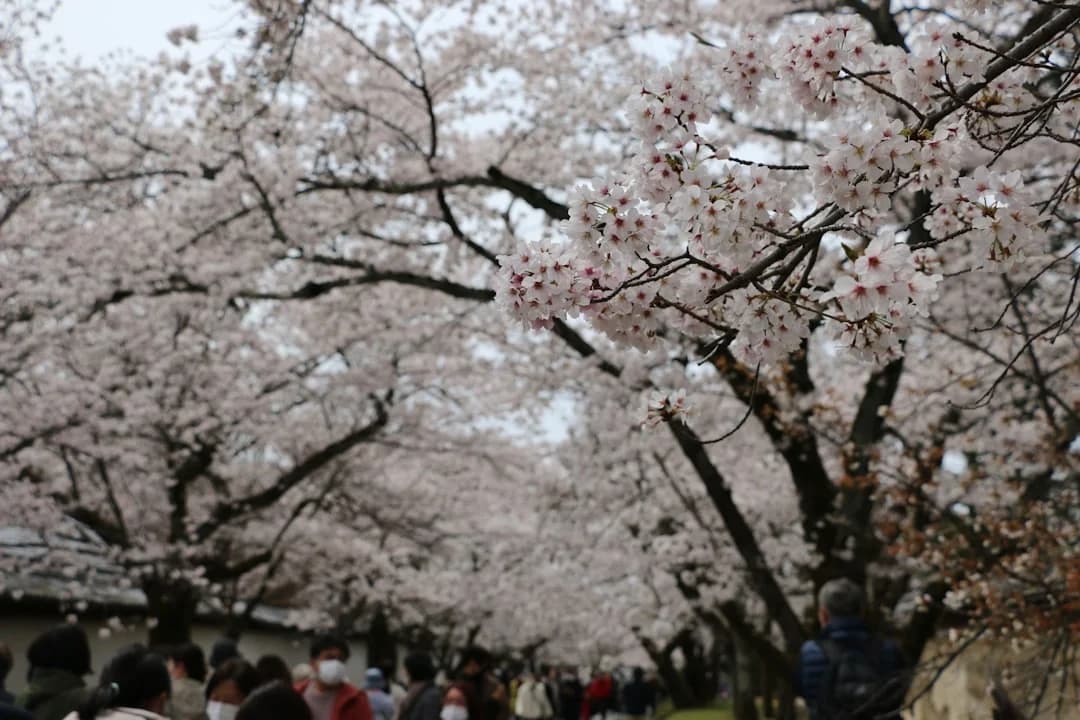
Photo by Yasuto Takeuchi on Unsplash
Washington, DC is entering a peak moment of spring as the DC cherry blossoms 2026 peak bloom and National Cherry Blossom Festival converge to redefine how visitors, businesses, and residents experience the city. The National Park Service (NPS) forecasts a peak bloom window in late March, with the National Cherry Blossom Festival running from March 20 to April 13, 2026. This year’s forecast places peak bloom between March 29 and April 1, a timeline that aligns with historical averages but is sensitive to weather conditions in the weeks ahead. As the city prepares for a surge of visitors, planners and local businesses are leaning into data-driven strategies to manage crowds, maximize economic impact, and ensure safety along the Mall and surrounding neighborhoods. The festival’s scale—often drawing more than 1.6 million attendees annually—means decisions made in the coming days will ripple through transportation, hospitality, retail, and public services. These developments matter not only for festival-goers but for the broader regional economy that depends on spring tourism and the city’s ability to host large, time-bound events. (nps.gov)
The District of Columbia’s spring spectacle is not merely a visual milestone; it is a data-rich case study in urban event management, hospitality demand, and technology-enabled crowd planning. The forecasted peak bloom — defined by the National Park Service as the date when 70 percent of Yoshino cherry blossoms are open — is a critical bellwether for transit planning, hotel occupancy strategies, and public safety operations. The 2026 forecast anticipates a compact window that concentrates activity, creating both opportunities and challenges for local authorities and private sector partners. The National Cherry Blossom Festival has committed to a broad slate of events, cultural programming, and partnerships aimed at sustaining economic activity while preserving the natural and historical context of the trees surrounding the Tidal Basin and Mall corridor. (nps.gov)
Opening
As the cherry blossoms begin to open their petals in early spring, city officials, event organizers, and business leaders are watching the numbers closely. The peak bloom window is a focal point for transportation planning, event scheduling, and safety measures, and it influences everything from street closures to curbside pickup logistics for estimated crowds. The National Cherry Blossom Festival—an annual, month-long celebration—kicks off March 20, 2026, and runs through April 13, 2026, with a packed calendar of performances, cultural exhibitions, and family-friendly activities. This year’s schedule emphasizes accessibility, digital engagement, and data-driven crowd insights to improve the visitor experience while maintaining a high standard of safety and environmental stewardship. (nationalcherryblossomfestival.org)
Experts emphasize that the season’s success hinges on timely information and real-time updates. The peak bloom forecast is a moving target that depends on temperatures, precipitation, wind, and other meteorological factors in the weeks leading up to late March. The NPS’s March 2026 forecast notes that peak bloom could arrive as early as March 29 or as late as April 1, with blossoms typically persisting for seven to ten days after reaching peak. For planners, this means a compressed window for programming, marketing, and traffic management. The forecast also underscores the importance of flexible operations and contingency planning, given the city’s evolving weather patterns. (nps.gov)
Section 1: What Happened
Forecast Peak Bloom Window
Official forecast and definitions
The National Park Service released the 2026 peak bloom forecast, a milestone that city officials and festival organizers monitor closely. The forecast specifies a peak bloom window from March 29 to April 1, aligning with past patterns but subject to weather variability. The NPS notes that peak bloom is defined as the moment when 70 percent of Yoshino blossoms are open—a standard used to gauge the visual impact of the tulip-tinged landscape around the Tidal Basin and National Mall. This forecast informs decisions about traffic arrangements, Metro service adjustments, and the timing of major festival events that draw millions to the area. (nps.gov)
Public communications and expectations
Local media and national outlets have highlighted the forecast as a signal for travelers and regional residents to plan trips with flexibility. The Washington Post framed the forecast in a broader context, noting that the festival typically attracts more than 1.6 million visitors per year and that peak bloom marks a moment of heightened activity across hotels, restaurants, museums, and transit hubs. Several mainstream outlets reproduced the forecast and provided practical guidance on timing, crowds, and vantage points along the Tidal Basin. In addition, national outlets have reported on the public-facing feedback loop that festival organizers use to share bloom intelligence with visitors, a key component of modern event management. (washingtonpost.com)
Timeline integration with event programming
From a scheduling perspective, the forecast timeline interacts with a robust festival calendar. The National Cherry Blossom Festival has publicly outlined its duration (March 20–April 13, 2026) and highlighted signature events such as the festival’s parade, fireworks displays, and cultural performances. The alignment of peak bloom within the festival period creates synergistic opportunities for themed programming, vendor activations, and cross-promotional campaigns with local businesses and tourism partners. The festival’s own communications emphasize bloom-watch resources and real-time updates to help visitors optimize their plans. (nationalcherryblossomfestival.org)
Festival Kickoff and Key Events
Opening ceremonies and inaugural events

The festival’s opening ceremonies traditionally set the tone for the season, with performances, cultural showcases, and partnerships that celebrate the cherry blossom heritage and Japanese-American ties. The official festival site and partner outlets have signaled a comprehensive program that includes musical performances, cultural exhibitions, and family-oriented activities. While the precise lineup evolves, the opening concerts and ceremonial activities typically draw sizable crowds and create a surge in overnight visitation to Washington, DC, and neighboring jurisdictions. Journalistic coverage has underscored the festival’s role as a major spring event in the region, contributing to both cultural enrichment and tourism-led economic activity. (nationalcherryblossomfestival.org)
Signature events and peak bloom alignment
A hallmark of the DC cherry blossom season is the seasonal rhythm created by a sequence of hallmark events—some scheduled to coincide with or immediately follow the peak bloom window. Observers watch for the timing of the National Cherry Blossom Festival Parade (traditionally held on a weekend near the festival’s midpoint), fireworks, and a slate of cultural programs along the National Mall and nearby neighborhoods. The exact dates have been published by festival organizers, and coverage from national outlets has highlighted how peak bloom timing can amplify attendance at these events. The forecast window for peak bloom—late March to early April—places emphasis on ensuring event safety, traffic control, and robust transit options when crowds surge. (nationalcherryblossomfestival.org)
Logistics, safety, and technology-driven crowd management
With the expected inflow of visitors concentrated around the Tidal Basin and Mall corridors, city agencies, law enforcement, and private security teams are coordinating closely. Logistics considerations include pedestrian flow, emergency access routes, and real-time incident response planning. The 2026 coverage has noted the rising role of data-driven crowd management tools, predictive analytics, and mobile-accessible communications to keep attendees informed and safe. The festival’s Bloom Watch and related digital touchpoints provide attendees with bloom conditions and event status in near real time, empowering visitors to adjust plans and reducing bottlenecks at peak times. (nationalcherryblossomfestival.org)
Why It Matters
Economic and Tourism Impact
Visitor demand and hotel occupancy

The DC cherry blossoms 2026 peak bloom window, together with the National Cherry Blossom Festival timetable, has a pronounced impact on hotel occupancies, restaurant demand, and transportation revenue across the greater Washington region. Industry observers estimate that the annual influx of visitors during peak bloom can materially affect room rates and occupancy levels for both central DC properties and adjacent Arlington, Alexandria, and suburban markets. Local economists and hospitality associations typically observe a lift in transient demand during the festival period, driven by a combination of international tourists, domestic travelers, and local day-trippers. The Washington Post has repeatedly cited the festival’s role in sustaining spring tourism volumes and its contribution to the city’s service-sector economy. (washingtonpost.com)
Retail and cultural economy
Beyond lodging, the festival catalyzes activity across retail sectors, food and beverage, and cultural institutions. Micro-activations, popup vendors, and curated experiences along the festival corridor benefit small businesses and regional commerce. The official festival materials emphasize partnerships with local businesses and national sponsors, reinforcing a model where cultural celebration intersects with market opportunities. News coverage has highlighted how these dynamics influence consumer spend, merchandise sales, and the broader visibility of Washington, DC, as a spring travel destination. (nationalcherryblossomfestival.org)
Public sector investment and risk management
From a governance standpoint, the festival and bloom season schedule tests city feasibility planning. Investments in transit service adjustments, road closures, sanitation, and emergency readiness are calibrated to the expected cadence of peak bloom and event activity. The 2026 forecast and festival calendar feed into multi-agency coordination efforts that span transportation, public safety, environmental management, and public health. The NPS forecast and official festival communications emphasize the importance of coordinated planning to manage traffic flows, crowd density, and resource allocation in a city accustomed to handling large, time-bound events. (nps.gov)
Market trends and technology adoption
Technology adoption during the DC cherry blossoms season is a notable trend for 2026. A growing number of visitors rely on mobile apps and real-time updates for bloom status, event schedules, and route suggestions. The National Cherry Blossom Festival website has integrated bloom watch features and digital programming that help visitors navigate the experience more efficiently, reflecting a broader shift toward digitizing large-city festivals. Analysts see this as part of a larger pattern in which major cultural events embrace data-driven marketing, analytics-informed operations, and enhanced digital engagement to manage demand and deliver measurable outcomes for sponsors and city stakeholders. (nationalcherryblossomfestival.org)
Public sentiment and accessibility considerations
Neutral, data-driven analysis suggests that access and inclusivity remain central concerns. Organizers and city partners have highlighted accessibility improvements, inclusive programming, and multi-lingual communications to accommodate diverse visitors. Media coverage has noted that peak bloom attracts a wide cross-section of attendees, including families, seniors, international travelers, and local residents who participate in both free public programming and paid experiences. As with any major public event, balancing economic benefits with quality-of-life considerations for residents and long-term environmental stewardship remains a guiding principle for planners. (apnews.com)
Technology and Market Trends: A Deeper Look
Data-driven event management in the bloom season
The convergence of peak bloom timing with a major festival offers a natural laboratory for data-driven city management. By correlating bloom forecasts with transit ridership data, hotel occupancy, and consumer spending indicators, officials can refine staffing plans, optimize public-transport schedules, and adjust vendor allocations. The festival has publicly emphasized bloom-watch and real-time information to visitors, which aligns with broader municipal strategies to leverage data for safer, smoother large-scale events. This approach reflects a broader trend in which cities apply predictive analytics to seasonal tourism surges, infrastructure stress points, and crowd dynamics. (nationalcherryblossomfestival.org)
The role of digital experiences in visitor engagement
Digital touchpoints, including bloom-status dashboards, mobile guides, and social-media coordination, play a crucial role in shaping visitor experiences during the DC cherry blossoms period. The festival’s official channels have been promoting these tools as integral to navigating peak bloom and festival programming. Attendees increasingly rely on mobile experiences to access up-to-date information, which improves satisfaction and reduces the likelihood of overcrowding at popular viewpoints. Industry observers describe this as a best-practice example of harmonizing cultural programming with technology-enabled, scalable visitor services. (nationalcherryblossomfestival.org)
Implications for urban tourism strategy
For city planners and local businesses, the 2026 bloom and festival season emphasizes the importance of synchronized marketing, transport capacity, and hospitality supply chains. The forecast window’s narrowness means that early coordination with airlines, rail services, ride-hailing providers, and public transit operators is essential to ensuring smooth access to the festival precincts. The festival’s dates (March 20–April 13, 2026) and the forecast peak bloom window create a predictable, albeit weather-influenced, period of heightened demand. Observers note that this creates an opportunity to test and refine cross-sector collaboration that can inform future events and long-term urban tourism strategies. (nationalcherryblossomfestival.org)
What’s Next
Timeline, next steps, and watch points

Key upcoming milestones
- March 20, 2026: National Cherry Blossom Festival officially opens with a slate of cultural programs and community events. This date marks the formal kick-off of spring activities tied to the cherry blossoms and the broader festival ecosystem. The festival’s programming is designed to attract a wide audience and extend engagement through mid-April. (nationalcherryblossomfestival.org)
- March 29–April 1, 2026: Peak bloom window, as forecast by the National Park Service. This period represents the moment when viewing the trees offers the fullest visual impact and is typically the busiest timeframe for visitors to the Tidal Basin and Mall corridors. Transit and public-safety teams will implement enhanced staffing and traffic-management measures to accommodate surge demand. (nps.gov)
- April 11–12, 2026: Signature festival events, including parades and major concerts, are scheduled to coincide with the tail end of peak bloom. While the exact event lineup can shift, these dates are widely cited by festival organizers and media outlets as focal points for planning. Visitors and vendors should plan for elevated crowds and potential weather-driven adjustments. (axios.com)
- April 13, 2026: Festival conclusion, with ongoing programming and bloom observations as blossoms persist in the city’s landscape. Observers will monitor the final days of peak bloom and the transition from peak season to post-bloom scenery. (nationalcherryblossomfestival.org)
What to watch for in the days ahead
- Weather variability: The peak bloom forecast is sensitive to late-winter–early-spring temperature swings, precipitation events, and wind patterns. Readers should monitor updates from the National Park Service and the National Cherry Blossom Festival for the latest bloom-watch indicators. In 2026, several outlets highlighted the possibility of a late-season bloom if cold weather persists into late March, followed by warming trends that could accelerate blossom opening. (nps.gov)
- Transportation and mobility: As crowds intensify around peak bloom and festival weekends, Metro service changes, traffic restrictions, and rideshare demand dynamics will be key to ensuring access and safety. Local transit authorities and city agencies typically publish service advisories and detour plans as bloom-watch periods unfold. (washingtonpost.com)
- Economic signals: Hotel occupancy, airline bookings, and consumer spending during the festival window will offer early indicators of the season’s financial impact. Industry observers will be watching for year-over-year comparisons to gauge the resilience of the hospitality sector during major spring events. (washingtonpost.com)
Stakeholder coordination and communication
The 2026 DC cherry blossoms season underscores the importance of cross-sector collaboration. City agencies, the National Park Service, festival organizers, hotels, transport providers, and local businesses engage in coordinated planning to align programming with bloom-watch updates, safety protocols, and marketing campaigns. A data-informed approach—incorporating bloom forecasts, real-time crowd analytics, and visitor feedback—helps optimize operational readiness and visitor satisfaction. The National Cherry Blossom Festival’s communications emphasize bloom-watch tools and event information to empower visitors to make informed decisions, while NPS provides authoritative weather-informed forecasts that shape daily planning. (nps.gov)
What Readers Should Know: Practical Guidance for Attendees
- Plan around peak bloom, but stay flexible: The window March 29–April 1 is the forecast’s core, but individual days can vary by a day or two depending on weather. Visitors should monitor bloom-watch updates from official sources and adjust plans accordingly. If you’re aiming for the most dramatic visuals, consider days that fall within the predicted peak window, but be prepared for weather-driven changes. (nps.gov)
- Use official festival resources: The National Cherry Blossom Festival site provides bloom-watch indicators, event calendars, and practical guidance for navigating the festival scene. Leveraging these resources can improve planning efficiency and help visitors maximize experiences while avoiding peak-crowd frustration. (nationalcherryblossomfestival.org)
- Consider alternatives beyond the Tidal Basin: While the Tidal Basin remains the iconic focal point, other vantage points and parks in DC’s metro area offer excellent blossom viewing with potentially smaller crowds. Local arboretums and neighborhood streets often provide quieter opportunities to enjoy blossoms with a different backdrop. The bloom-watch ecosystem includes multiple venues, and readers are encouraged to explore longer-range planning to spread attendance and reduce bottlenecks. (axios.com)
Closing
In sum, the DC cherry blossoms 2026 peak bloom and National Cherry Blossom Festival present a data-driven narrative about how a major urban event can be planned, executed, and experienced in a way that respects both visitors and residents. The official forecast of peak bloom between March 29 and April 1, 2026, pairs with a festival period running March 20 through April 13, creating a concentrated period of cultural activity, tourism demand, and urban logistics challenges. With the festival’s bloom-watch tools and a coordinated, tech-enabled approach to crowd management, the District is showcasing how modern city events can balance spectacle with safety, accessibility, and economic vitality. For readers of the District of Columbia Times, this coverage emphasizes the interplay between public infrastructure, private sector coordination, and the value of transparent, timely information in shaping successful public-facing events. (nps.gov)
As the petals open and spring advances, residents and visitors alike will be watching for the first hints of full bloom along the Tidal Basin and the National Mall. The festival’s programming will unfold in stages, with bloom watching and event updates guiding decisions about travel plans, dining reservations, and sightseeing routes. Communities across DC’s metropolitan area should prepare for a period of heightened activity, recognizing both the opportunities for economic activity and the importance of staying informed through official channels. The National Cherry Blossom Festival’s ongoing emphasis on accessibility, cultural exchange, and responsible tourism will continue to shape how this year’s blossom season is experienced, learned from, and remembered. (washingtonpost.com)