DC Budget Reversal Housing Vouchers Childcare 2026
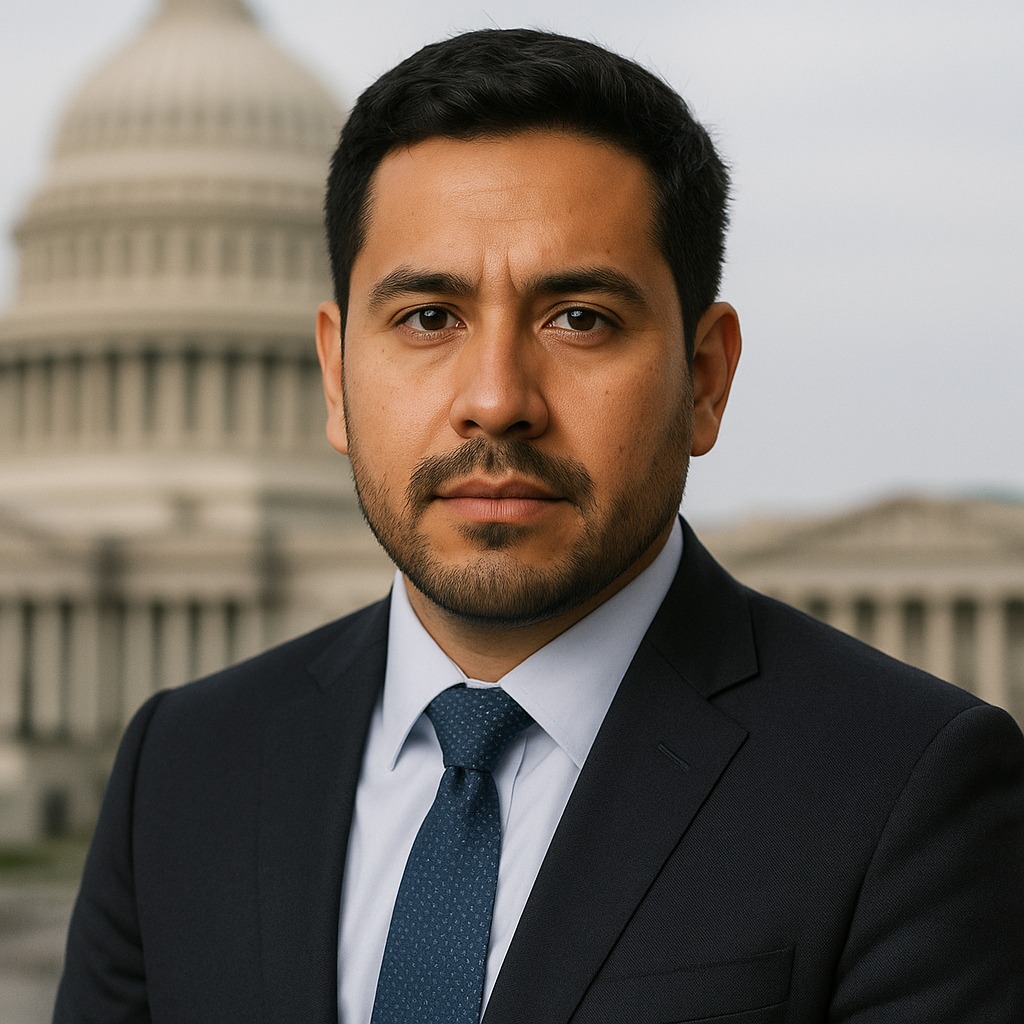

Photo by Troy T on Unsplash
The District of Columbia is reconfiguring its fiscal priorities in a move that many residents and local employers have watched closely. On June 23, 2026, the D.C. Council approved a nearly $22 billion budget that reverses many of the cuts proposed by Mayor Bowser, specifically restoring funding for housing vouchers and the childcare subsidy program. The decision comes as the city confronts a sizable budget gap and a fiscal environment shaped by shifting revenue forecasts, and it signals a deliberate pivot toward preserving essential social programs that underpin the labor force. This DC budget reversal housing vouchers childcare 2026 moment matters not only for families relying on subsidies but also for the broader local economy, including a growing technology sector that depends on a stable, ready workforce. The final vote highlighted the council’s willingness to deploy one-time resources and reserves to maintain core services, while acknowledging that long-term sustainability will require careful cash-flow management and potentially new revenue strategies. (washingtonpost.com)
As the city works to stabilize programs that support low- and moderate-income residents, the immediate effects are already rippling through households, nonprofit partners, and sector employers. The budget reversal relies in part on one-time funding from reserves and the decoupling of local tax rules from broader federal changes, a policy maneuver led by the council to avoid abrupt, deeper cuts to critical services. Mayor Bowser had argued that the proposed cuts were necessary to close a projected $1.1 billion gap, but council leaders emphasized the importance of maintaining social supports as a foundation for employment and economic activity. The council’s approach also included ways to shore up funding for paid family leave and other programs, aiming to minimize disruption for families navigating childcare needs while the city pursues a more stable revenue framework. The broader context includes ongoing debates about reserve usage and the proper balance between one-time funding and recurring expenditures, a theme that resonates across city budget cycles and shapes the perception of fiscal health among residents and markets alike. (washingtonpost.com)
Opening paragraph recap: This DC budget reversal housing vouchers childcare 2026 marks a turning point for how the District prioritizes family support programs and labor-market participation. As the city negotiates between immediate funding needs and long-term fiscal discipline, observers are watching how the council’s choices will affect both households and broader economic indicators, including the tech ecosystem that increasingly anchors the city’s growth. The immediate effect is a restoration of funding streams that had been targeted for reductions, with the potential to reduce volatility in childcare access, housing stability, and workforce attachment for residents—factors that intersect with the region’s technology-driven job market and competitive talent landscape. (washingtonpost.com)
What Happened
Council Reverses Bowser’s Proposed Cuts
In a unanimous vote, the D.C. Council approved a budget package that reverses many of the proposed cuts to social programs featured in the mayor’s spring proposal. The final budget preserves funding for housing vouchers, childcare, paid family leave, and several other core services that had faced reductions. This reversal is the centerpiece of the council’s plan to address the city’s immediate affordability and family-support needs while maintaining a balanced fiscal approach. The move reflects a broader inclination to protect social safety nets as the city navigates revenue uncertainty and rising costs. The Washington Post’s reporting confirms the council’s decision and highlights the scale of the reversal in the context of a nearly $22 billion budget. (washingtonpost.com)
Timeline and Key Dates
- June 9, 2026: The council’s initial signal of restoring funds, including allocations for childcare subsidies, suggested a more expansive revision plan than the mayor’s original proposal. This vote set the stage for fuller consideration and revised allocations in subsequent meetings. (wtop.com)
- June 23, 2026: The council completed a final vote approving the nearly $22 billion budget that reverses many of Bowser’s proposed cuts and incorporates one-time funding to bridge gaps. The final budget preserves housing vouchers, childcare subsidies, paid family leave, and related programs. The same day, headlines emphasized the use of reserves and one-time resources to maintain current service levels. (washingtonpost.com)
- June 23, 2026: The final budget was paired with a larger conversation about long-term fiscal health, including continued scrutiny of reserves and cash-flow management, as well as potential fall hearings to evaluate broader revenue strategies. This reflects the council’s intent to monitor and adapt to evolving revenue forecasts while safeguarding essential services. (washingtonpost.com)
Key Facts and Funding Sources
The council’s action drew on a mix of one-time resources, including reserves, to fill gaps and maintain service levels in lieu of new recurring revenue. The council identified approximately $450 million in funds from non-reserve sources and an additional $150 million from reserves to sustain programs, a combination designed to avoid deeper cuts that could disrupt families and service providers. This approach aimed to deliver a balanced budget that protects critical subsidies during a period of fiscal pressure, while still confronting the city’s broader affordability and revenue challenges. The details illustrate a deliberate strategy to deploy onetime resources to stabilize programs without triggering immediate, recurring expense pressures. (washingtonpost.com)
Context and Contemporaneous Debates
The council’s action occurred amid a broader debate about how the city should manage its reserves and whether one-time funding is a prudent long-term strategy. CFO Glen Lee had warned against tapping reserves for ongoing programs, describing such use as potentially creating an unbalanced budget. The Axios coverage emphasizes this tension and notes the risk of a last-minute, unbalanced budget if reserves were drawn too aggressively. The final approach appears to have navigated those concerns, using reserves sparingly while leveraging other funds to maintain critical services. This nuanced debate reflects the ongoing challenge of balancing immediate social needs with long-run financial sustainability. (axios.com)
What It Means for Households and Providers
The budget reversal preserves access to housing vouchers and childcare subsidies for current recipients and potentially reduces wait times for families awaiting assistance. The WTOP and Washington Post reporting both underscore the scale of restoration for these programs, which are central to helping families stabilize housing, secure reliable childcare, and maintain employment. For service providers—childcare centers and housing programs—the funding continuity supports staff stability, enrollment continuity, and program capacity. The council’s vote also signals political will to shield residents from abrupt policy shifts that could destabilize households and local providers during a period of economic uncertainty. (wtop.com)
Broader Policy Context and Oversight
The city’s budget process involves multiple layers of oversight and iteration, including committee reports and budget-recommendation documents that guide the council’s deliberations. The council’s housing committee materials and related budget reports show ongoing refinement of program funding and policy details throughout the fiscal year. These documents illustrate how the council frames program priorities, weighs trade-offs, and plans for future budget cycles. The council’s approach to decoupling certain local tax provisions from federal changes and using one-time resources reflect a strategic effort to align District policy with a changing revenue picture while preserving program integrity. (dccouncil.gov)
The Role of Housing Vouchers and Childcare Subsidies in Local Markets
Housing vouchers and childcare subsidies have long been central to DC’s affordability ecosystem. Evidence from national and local research suggests these programs influence labor-market participation, earnings stability, and long-term economic outcomes for families. For instance, national research has shown that childcare subsidies can boost maternal labor force participation and employment, with measurable effects on workforce attachment for low-income families. Urban Institute and federal analyses offer nuanced findings on how subsidy take-up and program design affect employment outcomes. In the District, studies on subsidy take-up and provider participation indicate that DC’s childcare subsidy system is active and has room for policy improvements to increase capacity and reduce waitlists. (aspe.hhs.gov)
Why It Matters
Impact on Residents and Families

For families relying on housing vouchers and childcare subsidies, the council’s reversal establishes a clearer, more predictable path for access to essential services in the near term. The restoration of funding reduces the likelihood of abrupt service interruptions that could destabilize housing stability and childcare arrangements. The human impact is tangible: families can maintain routines, avoid disruptions to childcare services during work or school hours, and continue participating in the labor force without facing sudden subsidy gaps. Local advocates have highlighted the importance of stable funding for childcare and housing in enabling parents—particularly mothers—to remain in the workforce, a dynamic that is especially relevant in a city with a growing tech sector seeking skilled workers. National and local research corroborate the link between childcare subsidies and labor-force participation, underscoring why a council decision to protect these programs carries economic significance beyond the immediate social safety net. (wtop.com)
Economic and Market Implications
From a market perspective, the council’s action supports stability in the District’s labor market and, by extension, the local economy. Stable access to childcare reduces work disruptions and supports ongoing employment for parents who might otherwise face barriers to consistent hours or career progression. Housing stability through vouchers also reduces housing-cost volatility for households, a factor that can influence household budgets and consumer spending. While the district’s overall budget picture remains complex, preserving key supports reduces the risk of cascading effects on consumer demand, small businesses, and talent retention—elements that matter for the city’s technology and professional-services ecosystems. Studies on housing subsidies and labor supply provide context for how these programs interact with workforce participation, offering a lens through which to view the broader economic implications. (huduser.gov)
Policy Context and Equity Considerations
The council’s decision also intersects with equity considerations. Several analyses emphasize that childcare subsidies and housing support have disproportionate impacts on families of color and lower-income households, helping to level the playing field in access to education, stable employment, and opportunity. DC-focused and national research highlight how subsidy policies can influence participation in the labor market and the distribution of benefits across communities. The council’s approach to restoring funding—and potentially refining subsidy policies to reduce waitlists and expand capacity—reflects a broader policy objective of aligning social supports with the District’s stated equity goals. (urban.org)
Strategic Relevance for the District’s Long-Term Growth
Beyond immediate relief, the budget reversal carries strategic weight for the District’s long-term growth strategy. A stable social-service funding envelope can improve talent retention and recruitment for local employers, including technology companies that are integral to the city’s economic development strategy. While the budget iteration itself is a fiscal maneuver, the downstream effects on workforce stability, household welfare, and consumer demand contribute to a more hospitable environment for innovation and business investment. The council’s willingness to deploy one-time resources to protect critical services while pursuing a sustainable revenue path signals a pragmatic approach to governance in a dynamic urban economy. (washingtonpost.com)
What’s Next
Timeline and Next Steps for Implementing the Reversal
The June 23, 2026 vote represents a key milestone, but the budget’s implementation will require ongoing monitoring, reporting, and potential adjustments as the fiscal year progresses. The council is expected to hold follow-up hearings and finalize details on how one-time funds are allocated and monitored, how subsidies are administered, and how reserves are managed going forward. The timing of these activities will influence program continuity, provider planning, and family access to services. In the near term, expect updates from the council and mayor’s office on reconciliation steps, compliance with budgetary guidance, and any legislative actions needed to operationalize the reversal. (washingtonpost.com)
What to Watch for in FY2027 and Beyond
- Recurring vs. one-time funding: Analysts will track how the District transitions from one-time bridge funding to sustainable, recurring appropriations for housing vouchers and childcare subsidies. The balance between reserves and ongoing program funding will be scrutinized by advocates, business groups, and fiscal watchdogs. The CFO’s prior cautions about reserve usage will inform future budget debates. (axios.com)
- Waitlists and capacity: Urban Institute and DC-focused analyses emphasize ongoing work to reduce waitlists and expand subsidy capacity. Observers will watch for policy proposals aimed at increasing access—such as provider participation improvements and subsidy administration enhancements—that could influence labor-market participation and family stability. The District’s own budget materials point to continued attention to subsidy effectiveness and capacity as part of oversight. (urban.org)
- Economic resilience and tax policy: The council’s discussions around revenue strategies—such as decoupling and potential tax options—will shape the city’s ability to sustain social programs without repeated reliance on one-time funds. The council and Mayor’s offices will likely continue collaborative and competing approaches to long-term fiscal resilience, which will have implications for business investment and workforce stability. (washingtonpost.com)
What This Means for Tech and Market Trends
The District’s technology sector remains a key driver of local growth, drawing talent and investment to a city vying to compete with other technology hubs. A stable social-support framework—especially around childcare and housing—reduces the risk of talent attrition among parents who would otherwise leave the workforce or reduce hours to accommodate caregiving needs. While the direct monetary figures in these budget actions are public, the broader economic logic is that families’ ability to participate in the labor market supports a robust, diverse talent pool for tech companies, startups, and research institutions. This dynamic matters for market trends in the District, where employers and workers are increasingly sensitive to policies that affect day-to-day life, household budgets, and long-term growth prospects.

National research has consistently highlighted the labor-market benefits of childcare subsidies and housing supports, emphasizing that these programs can boost maternal employment and stabilize family finances. In the District, recent analyses from Urban Institute and DC-focused policy groups indicate that subsidy participation remains meaningful across wards and can influence both employment decisions and provider capacity. As the city implements the budget reversal and charts a path toward more sustainable funding, observers in the technology and business communities will be watching for signs of improved workforce stability, reduced recruitment friction, and more predictable operating conditions for startups and established tech firms alike. The synthesis of local policy action with broader scholarly insights suggests that the District’s approach could serve as a case study in balancing social program protection with market competitiveness. (aspe.hhs.gov)
Real-World Context: How Providers and Families Are Responding
Childcare providers and housing partners are adjusting to the news as a signal that funding commitments will remain in place. Providers have cited the importance of stable subsidies in sustaining capacity and investments in quality improvements for early education. Families have welcomed the reassurance that funding for childcare subsidies and housing assistance will continue, reducing the risk of displacement or disrupted care. The DC Council’s continued focus on program integrity and capacity expansion—such as addressing waitlists and improving subsidy administration—will matter to both families and the broader provider ecosystem. These dynamics are consistent with the district’s broader emphasis on equity and opportunity, helping to ensure that a diverse workforce can stay engaged in the city’s growing sectors. (wtop.com)
What's Next
Timeline and Next Steps for Implementation (Continued)
Looking ahead, the council is expected to finalize details on how to allocate the remaining one-time funds, refine subsidy eligibility and waitlist processes, and set a framework for monitoring program outcomes. The mayor’s office and council committees will likely publish additional guidance and performance metrics to track progress on housing vouchers and childcare subsidies, as well as the broader economic implications of the reversal. The next steps will be crucial for maintaining momentum and ensuring that early decisions translate into stable access for families and predictable operating conditions for service providers. (washingtonpost.com)
What to Watch for in the Next Budget Cycle
- Recurring funding levels: Expect ongoing debates about the adequacy of recurring funding for housing vouchers and childcare subsidies, including potential adjustments to reflect wage growth, inflation, and service demand.
- Reserves and fiscal discipline: The CFO’s warnings about reserves will persist as a theme in future budget cycles. Observers will look for clear policy guardrails around reserve use to avoid future budget volatility.
- Equity-focused policy design: As DC policymakers continue to emphasize equity in service delivery, expect proposals to further streamline subsidy access, reduce barriers to participation for providers, and ensure that resources reach the most underserved communities.
Closing
The passage of the DC budget reversal housing vouchers childcare 2026 marks a consequential moment for residents, employers, and the broader market. By preserving key supports, the District signals a commitment to stability for families and to a workforce-friendly environment that can sustain innovation and growth in a competitive regional landscape. As the city moves through implementation and into the next budget cycle, observers—ranging from policy researchers to business leaders—will be watching how these funding decisions translate into tangible improvements in housing stability, childcare access, and labor-force engagement. Stay tuned for updates as the District continues to balance social priorities with fiscal responsibility, shaping a climate in which technology and market trends can thrive together.