DC Arts District Redevelopment Transforms Southwest DC
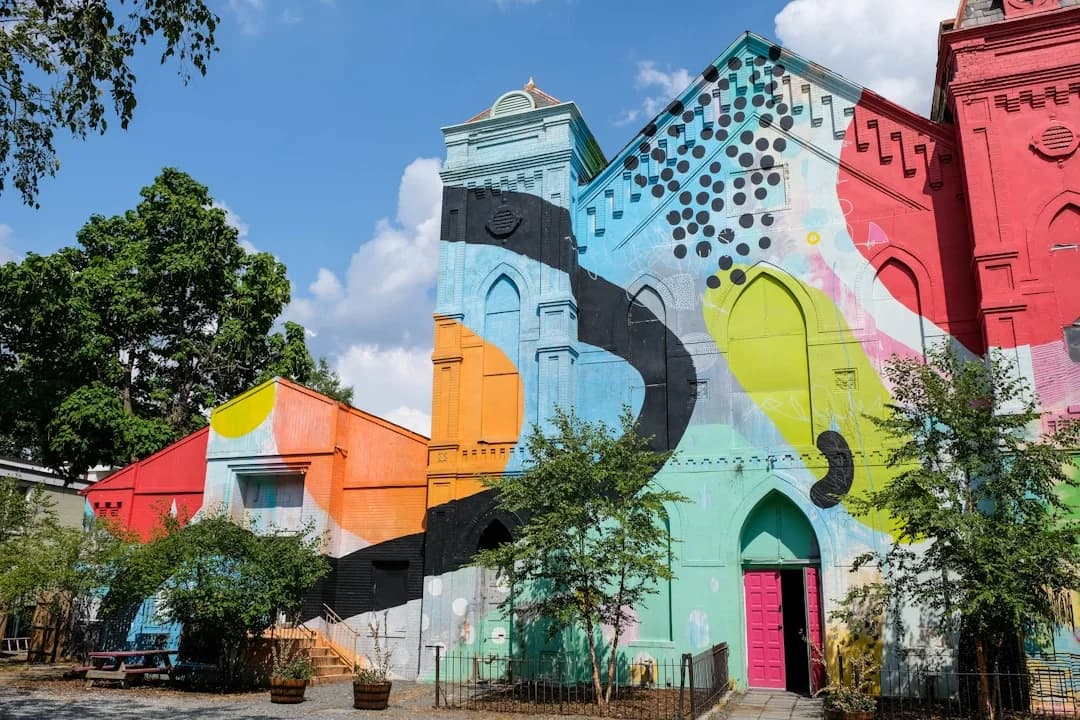
Photo by Sara Cottle on Unsplash
As Southwest Washington, D.C., continues to reimagine its riverfront, the DC Arts District redevelopment stands out as a cornerstone of the city’s broader waterfront and cultural strategy. The pattern is unmistakable: a deliberate mix of public space, cultural institutions, and private investment that has gradually reshaped the area’s identity. From the late-2010s waterfront transformation to the arrival of contemporary art venues and immersive experiences, the district’s trajectory offers a data-driven lens on how culture-driven redevelopment can influence economics, housing, and urban livability. The latest chapter in this ongoing evolution features a continued emphasis on arts institutions, waterfront access, and a diversified tenant mix that aligns with the District’s mission to position Southwest as a premier arts and culture destination. This overview pulls from verifiable milestones, public plans, and verifiable developments to illuminate what has happened, why it matters, and what readers should watch next in the DC Arts District redevelopment landscape. Sources.
The DC Arts District redevelopment has long seated cultural identity at the heart of Southwest’s growth. The Southwest waterfront redevelopment—the Wharf and its adjacent districts—has been a guiding framework for years, with public and private investment expanding the district’s arts and culture footprint while boosting housing, retail, and hospitality options. The public conversation around this progress has centered on a mix of new museums, music venues, and experiential art spaces that anchor a broader waterfront strategy. In 2019, the Southwest Business Improvement District (SWBID) described a wave of development that reinvigorated Southwest’s waterfront and cultural scene, highlighting the opening of the Wharf and the addition of multiple museums, music venues, and an expanding arts economy. The report underscored that Southwest had evolved into a hub where water, culture, and commerce converge, supported by a pipeline of development and a growing residential base. This context helps explain why 2022–2024 marked notable milestones, including the debut of significant cultural institutions in the district. (swbid.org)
What Happened
Announcement and milestones in the arts district renaissance
A waterfront strategy that fused culture and commerce
The Southwest waterfront redevelopment, culminating in The Wharf and related projects, established a blueprint for integrating arts and culture with public space along the water. The plan’s core idea—linking the waterfront to a vibrant urban center through museums, venues, and accessible public space—was laid out in earlier planning documents and reinforced by ongoing private investment and public support. The Wharf development, and its ongoing Phase II, were described as pivotal components of extending the district’s reach from waterline to city blocks, with a focus on cultural anchors and a mixed-use retail spine. These elements created a fertile ground for DC Arts District redevelopment to flourish as a broader, place-making strategy. (planning.dc.gov)
The rise of prominent cultural anchors
A defining feature of the DC Arts District redevelopment has been the arrival and expansion of major cultural institutions. The Rubell Museum DC opened in October 2022 in the revived Randall School building, a development long linked to Southwest’s arts identity. DC officials celebrated the museum as a milestone for the city’s contemporary art ecosystem, underscoring its role in expanding access to modern and contemporary art for local residents and visitors alike. The opening reinforced Southwest as a center for national and international art within walking distance of the National Mall and Capitol Hill. (mayor.dc.gov)
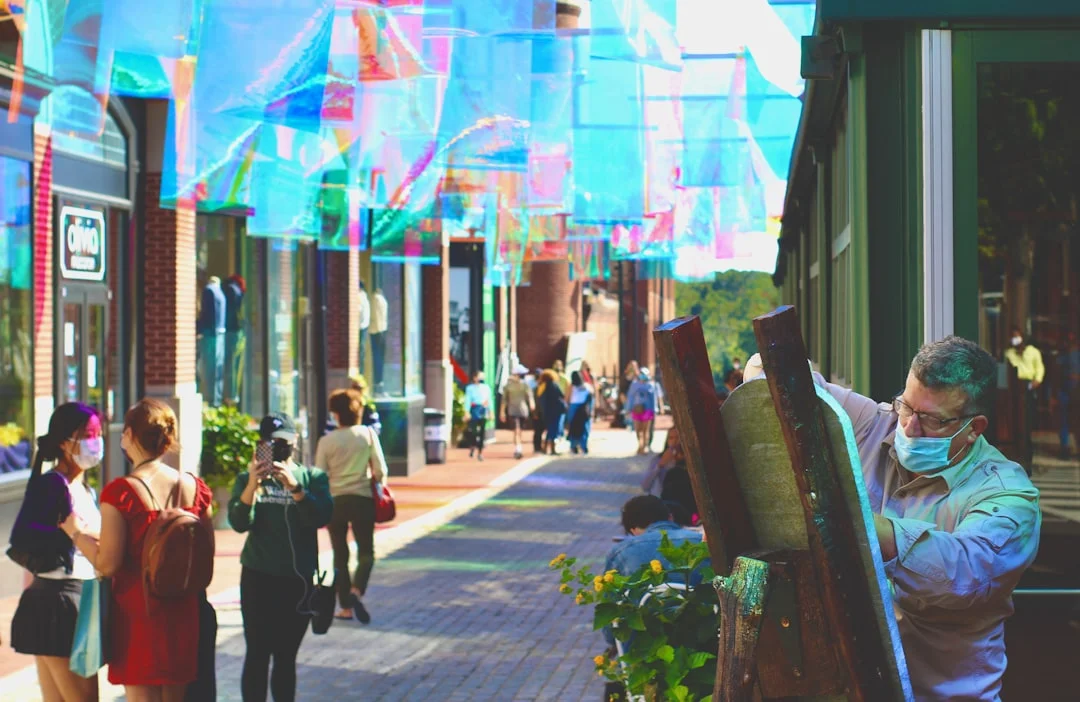
ARTECHOUSE DC has also played a central role since opening in 2017, establishing the district as a venue for immersive digital art that blends science, technology, and visual storytelling. Its ongoing programming and reopening activities have kept the arts district at the forefront of experiential art in the nation’s capital. ARTECHOUSE’s own materials place the DC location among its early footprint, highlighting its status as a pioneer in contemporary experiential art and its contribution to the district’s cultural vibrancy. (artechouse.com)
CultureHouse DC (formerly the Blue Whino Arts Club) has also been referenced as part of Southwest’s arts identity, with a long-running program of contemporary art installations and community-focused exhibitions that have fed into the district’s arts ecosystem. The SWBID narrative explicitly connects CultureHouse and other venues to Southwest’s ongoing identity as a culturally driven district, complementing larger institutions like the Spy Museum and new museums mentioned in the 2019 development outlook. (swbid.org)
The Wharf as an engine of arts-led growth
The Wharf project—extending over a broad swath of the Southwest waterfront—has been a central driver of the DC Arts District redevelopment. The initial phases delivered hotels, dining, and entertainment, while Phase II aimed to knit together The Wharf’s retail spine with a broader arts and culture narrative. Industry observers highlighted The Wharf as a model for waterfront redevelopment that channels cultural amenities into a broader economic ecosystem, attracting visitors and residents alike. The Wharf’s ongoing evolution has remained a touchstone for measuring the district’s progress and potential as an arts-forward urban district. (wharfdc.com)
Quantifying the district’s growth in the late 2010s and early 2020s
A SWBID development snapshot from 2019 provides concrete context for the scale of Southwest’s transformation: the district had delivered 121,000 square feet of new retail, 2,252 new residential units, and 1.3 million square feet of new office space in the preceding five years, underscoring a rapid shift from a primarily federal enclave to a mixed-use, arts-forward district. The document also notes the addition of three new music venues, three national museums, and more than twenty new restaurants, all serving to anchor the arts district redevelopment within a broader economic framework. The plan also highlights 5 million square feet of ongoing development in the pipeline and identifies The Wharf Phase II as a critical piece of the waterfront expansion. These numbers anchor the narrative of a district morphing into a vibrant, mixed-use arts economy. (swbid.org)
Timeline and key facts
- 2017: ARTECHOUSE opens in Washington, D.C., marking an early anchor for immersive arts in the district and helping to set the tone for tech-forward cultural experiences in Southwest. (artechouse.com)
- 2019: SWBID’s development outlook highlights Southwest as one of the District’s fastest-growing quadrants, with the Wharf aligning waterfront access with cultural anchors and a growing residential base. The plan identifies three new music venues and multiple museums alongside a thriving culinary scene. The Wharf Phase II is described as a next phase to connect waterfront districts with a renewed cultural core. (swbid.org)
- 2022: Rubell Museum DC opens in the Randall School building in Southwest, expanding the district’s contemporary art presence and offering free admission for DC residents, signaling a major milestone in Arts District redevelopment and access to world-class culture. Official coverage and statements from city leadership underscore the significance of the museum for the local arts ecosystem. (mayor.dc.gov)
- 2024–2026: The district’s arts-led growth continues to be embedded in ongoing waterfront development patterns and a diversified tenant mix, as reported by regional outlets and city-facing planning materials that document Southwest’s continuing evolution as an arts and culture hub. The 2026 neighborhood context emphasizes a mature waterfront with a broad array of arts venues, hotels, and public spaces that build on the historic foundations laid by The Wharf and SWBID. (washingtonian.com)
Section 1 takeaway: The DC Arts District redevelopment has progressed from a strategic waterfront plan to a living, operating ecosystem of museums, venues, and immersive experiences that attract visitors and residents, with tangible anchors like ARTECHOUSE, CultureHouse, and Rubell Museum DC, all positioned within a waterfront landscape that continues to evolve. The combination of public-planned space and private investment has translated into measurable outputs in retail, housing, and cultural access, while maintaining a broader economic and urban development discourse in the District. (swbid.org)
Why It Matters
Economic and cultural impact of the arts district redevelopment
A transformation anchored in data
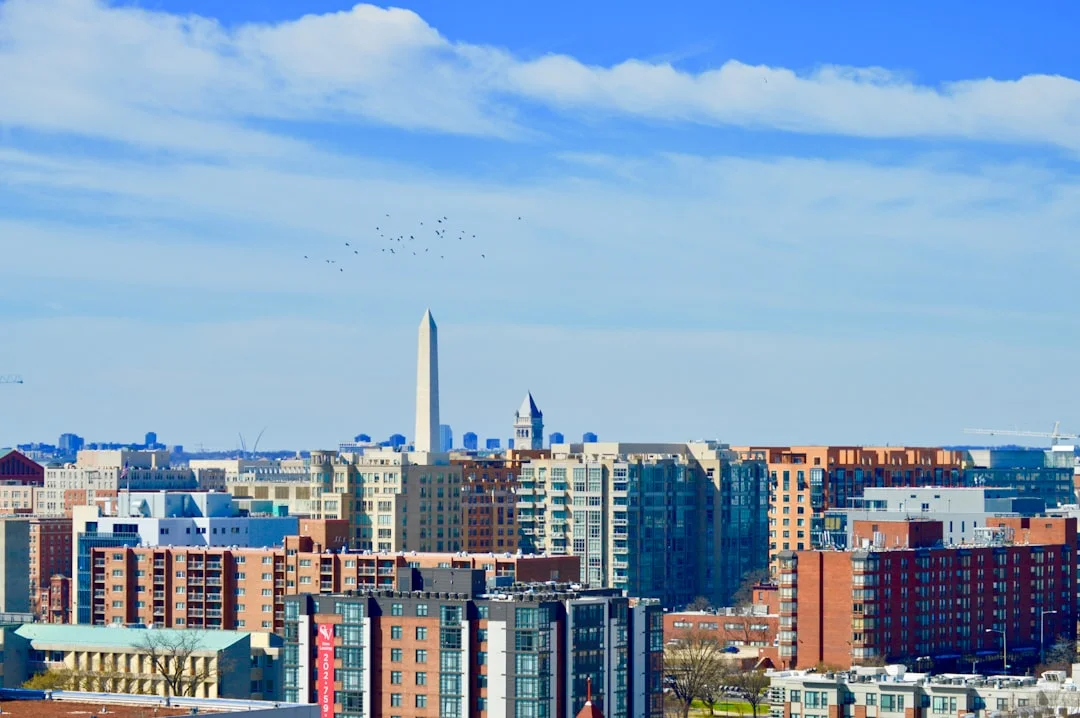
The SWBID data from 2019 provides a quantitative backbone for Southwest’s transformation: retail expansion, new housing, and significant office space creation, all concentrated around a waterfront-revitalization axis. This is more than a cultural shift; it reflects a real estate and economic development pattern where arts institutions act as demand generators for housing, retail, and hospitality. The district’s shift toward a diversified economic base—fueled by museums, galleries, and immersive venues—helps explain why investors and policymakers have treated Southwest as a test case for arts-led urban development. (swbid.org)
Cultural anchors as engines of neighborhood vitality
The arrival of major cultural institutions—most prominently Rubell Museum DC and ARTECHOUSE DC—has created a durable draw for visitors and locals. The Rubell Museum DC’s opening in late 2022 positioned Southwest as a center for contemporary art discourse, while ARTECHOUSE DC has sustained a high level of year-round engagement with immersive experiences. These anchors not only attract foot traffic but also help normalize the district as a year-round destination rather than a seasonal spur. The public-facing recognition of these venues—through city statements and major media coverage—illustrates the tangible cultural value added by the DC Arts District redevelopment. (mayor.dc.gov)
Public space, waterfront access, and livability
Public space improvements and waterfront access have been central to Southwest’s appeal. The Wharf-led redevelopment has emphasized pedestrian-friendly connections, open spaces, and an active waterfront, aligning with broader urban design goals to improve mobility, resilience, and community cohesion. The District’s planning materials and CFA reviews underscore the importance of public realm enhancements as essential to the district’s long-term viability and as a model for other waterfront-oriented arts districts. (cfa.gov)
Market dynamics and visitor demand
The presence of high-profile cultural attractions has helped drive demand across multiple sectors. The Southwest district’s hospitality market, including hotels and dining, has benefited from increased visitor flows associated with museums, theaters, and immersive exhibits. The SWBID’s reporting on hotel occupancy and related metrics in its development pipeline highlights how culture-led redevelopment can influence tourism, lodging demand, and retail velocity in adjacent blocks. Evaluations of visitor metrics—such as a landmark museum’s early visitor counts—provide a data-focused way to gauge the cultural district’s pull. While exact current numbers require ongoing data collection, early indicators from connected institutions and the broader waterfront ecosystem point to sustained activity. (swbid.org)
Section 2 takeaway: The DC Arts District redevelopment matters because it integrates arts institutions with waterfront access, housing, and hospitality, producing measurable economic activity and a more vibrant, livable Southwest. The combination of new museums, immersive venues, and public space enhancements creates a magnet for investment, talent, and visitors, helping redefine the city’s cultural economy and its urban experience. The data from SWBID and the activities of marquee institutions provide a robust, data-driven lens on this transformation. (swbid.org)
What’s Next
Upcoming milestones and horizon for the arts district
Ongoing waterfront and cultural expansion
Southwest’s waterfront continues to attract development that blends residential, retail, and cultural uses. The Wharf’s ongoing evolution—paired with coordinated planning around transit access, green space, and public realm improvements—will likely sustain the district’s arts focus while enabling more cross-culturation between galleries, performance venues, and waterfront programming. The district’s planning documents and industry analyses emphasize a continued push toward a holistic, connected arts economy rather than isolated venues. As these projects unfold, observers should watch for shifts in pedestrian flow, public programming schedules, and new collaborations among museums, venues, and local artists. (cfa.gov)
New and expanded cultural anchors
The Rubell Museum DC’s successful launch has set a precedent for how a major national collection can integrate within a municipal arts district, potentially signaling a pathway for additional curatorial and philanthropic investments. ARTECHOUSE, with its DC location and ongoing programming, remains a key driver of visitor engagement and experimental art forms. As the district matures, there is potential for new partnerships—between local artists, schools, cultural institutions, and private developers—to further diversify programming and deepen engagement with communities across the city. Visitors and residents should anticipate ongoing programming announcements, more immersive exhibitions, and collaborations that leverage technology, arts education, and public art to deepen the district’s cultural footprint. (washingtonpost.com)
Policy, planning, and resilience
The DC Ecodistrict planning framework and related waterfront resilience planning in Southwest highlight how the district’s development is being guided by sustainability and climate resilience. These planning efforts emphasize district-scale environmental performance and the integration of cultural destinations into a sustainable urban fabric. Readers should monitor updates from city planning offices and third-party analyses that track how policy changes, infrastructure upgrades, and green initiatives influence the trajectory of the DC Arts District redevelopment. (ncpc.gov)
What to watch for in the near term
- New exhibit schedules and artist partnerships at rubell museum and ARTECHOUSE.
- Public space enhancements and waterfront programming along The Wharf and adjacent blocks.
- Retail and hospitality occupancy shifts as visitors mix with residents in a growing cultural economy.
- Any announced expansions or new cultural partners that broaden the arts district’s reach beyond existing anchors.
Section 3 takeaway: The DC Arts District redevelopment is entering a phase where cultural anchors, public space investments, and policy-guided resilience work converge to sustain long-term vitality. Stakeholders—from city planners to developers and cultural organizations—will likely emphasize collaboration, accessibility, and inclusive programming as the district evolves, with continued attention to how these factors translate into economic and social benefits for Southwest DC and the broader region. (ncpc.gov)
Closing
The DC Arts District redevelopment represents a structured shift toward an arts-led, waterfront-forward urban fabric in Southwest DC. Anchored by institutions such as ARTECHOUSE DC and Rubell Museum DC, and supported by the sustained growth of The Wharf, the district illustrates how cultural amenities can anchor both economic growth and enhanced quality of life. Ongoing data, planning updates, and cultural programming will continue to shape Southwest’s trajectory, offering a model for similar districts pursuing the intersection of arts, technology, and urban development in modern American cities. To stay informed, readers should track official city updates, museum and venue calendars, and SWBID reports that document the district’s progress, alongside independent coverage from data-driven outlets that analyze market trends, visitor dynamics, and the evolving urban landscape of the DC Arts District redevelopment.
As the District continues to refine its waterfront and arts-forward strategy, the DC Arts District redevelopment remains a living, measurable project—one that blends cultural vitality with practical urban economics to deliver a more dynamic, inclusive Southwest neighborhood for residents and visitors alike. The ongoing narrative—rooted in planning histories, museum openings, and immersive experiences—will continue to unfold in the years ahead, reinforcing Southwest as a national exemplar of how arts and place-making can drive urban transformation.