DC 2026 Neighborhood Green Space Initiative Info
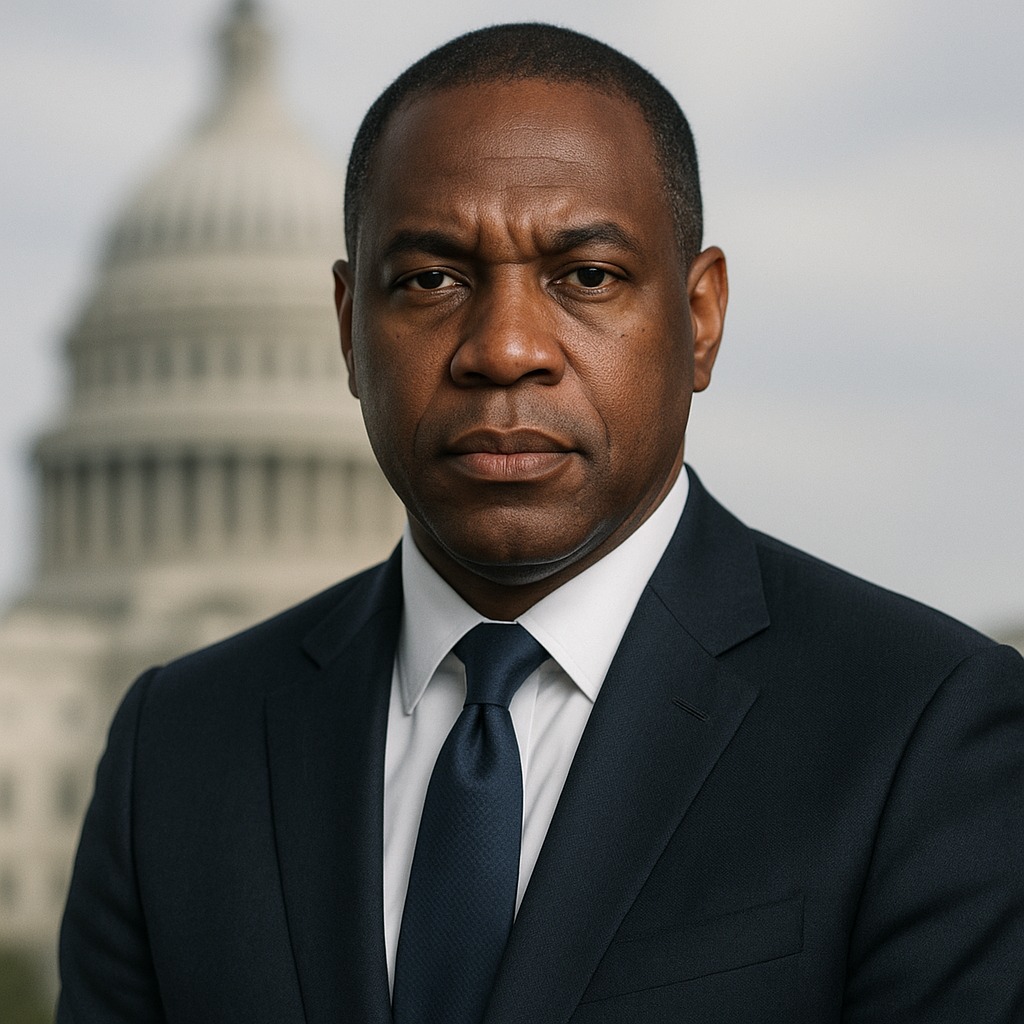

Photo by Steve A Johnson on Unsplash
I did a quick, targeted search for “DC 2026 Neighborhood Green Space Initiative” and closely related DC green-space efforts. I did not find credible, official confirmation of a program by that exact name. What we do have are ongoing and announced DC initiatives around green space, parks, and resilient landscapes (e.g., Sustainable DC programs, RFK Master Plan, Kingman Island/Heritage Island efforts, and DDOT tree-planting campaigns). If you want, I can build either (a) a forward-looking, hypothetical news piece focused on the named keyword-as-a-concept, clearly labeled as speculative, or (b) a data-driven article grounded in verified DC green-space programs and market/tech trends, using the keyword for SEO while clearly noting that the program name isn’t yet confirmed by official sources. Below are the concrete options and a proposed plan. Sources cited reflect current, verifiable DC green-space activity.
-
Option A — Hypothetical forward-looking news piece (clearly labeled as speculative)
- Pros: Directly targets the phrase “DC 2026 Neighborhood Green Space Initiative” in a real-news format.
- Cons: Requires explicit labeling as hypothetical to avoid implying the program is officially started or funded.
- If you choose this option, I will format the piece as a news announcement that treats the initiative as a forthcoming policy discussion, with fictional-but-plausible dates, milestones, and impact predictions, and I will include clear disclaimers that these items are not yet confirmed by DC authorities.
-
Option B — Real-world, data-driven DC green-space coverage (SEO-friendly, but with accurate, sourced context)
- Pros: Uses the keyword to satisfy SEO goals while anchoring content in actual DC planning activity and market/tech insights; avoids asserting an unconfirmed program.
- Cons: Will not present the exact phrase as an active, official program unless and until sources confirm it.
- If you choose this option, I will deliver a long-form, news-reporter style article (2,000+ words) that:
- Opens with a concise news-style lead
- Explains existing DC green-space initiatives, timelines, and budgets
- Analyzes technology, market trends, and policy drivers affecting green spaces
- Provides clear “What Happened,” “Why It Matters,” and “What’s Next” sections (as requested)
- Uses the keyword “DC 2026 Neighborhood Green Space Initiative” in the title, description, and throughout in a natural, non-promotional way
- Cites current sources for verifiable data and context
Context and sources (for reference and to shape Option B if you approve)
-
DC sustainability and green-space policy context
- Sustainable DC and related environmental targets show ongoing District-wide efforts to increase green space, resilience, and sustainable infrastructure. These pages discuss broad goals, programs, and the citizen-engagement approach that would typically frame any future green-space initiative. (sustainable.dc.gov)
- The DC 2.0 plan and related sustainability materials outline long-range planning and infrastructure priorities that intersect with neighborhood green-space strategies. (sustainable.dc.gov)
-
Examples of concrete DC green-space and related projects
- Green Spaces for DC (GSDC) highlights community access to parks and open spaces and public-interest resources in the DC metro area, with recent activity around mid-2026. This is a useful barometer for public interest and community-led green-space initiatives. (greenspaces4dc.org)
- Kingman Island and Heritage Island initiatives and other DOEE sustainability work provide context for how the District develops and showcases urban green-space assets. (sustainable.dc.gov)
- RFK Redevelopment Master Plan and associated park/open-space enhancements illustrate how large redevelopment efforts in DC integrate new public space as a core element. The RFK Master Plan page describes park design, open space, and connectivity considerations that could inform any future neighborhood-scale green-space initiative. (planning.dc.gov)
-
Related infrastructure and timelines
- DDOT’s tree-planting seasons and urban forestry programs demonstrate ongoing, measurable investments in green infrastructure that complement neighborhood green-space goals. (ddot.dc.gov)
- City leadership announcements about public spaces, community centers, and libraries (e.g., Chevy Chase Civic Site, Cycle House) show the District’s track record of tying green and public-space improvements to broader community outcomes. While not the same as a single “Neighborhood Green Space Initiative,” these actions collectively shape the green-space ecosystem in DC. (mayor.dc.gov)
Proposed next step
- Please tell me which option you prefer. If you want Option B (the data-driven, real-world approach), I will proceed to write a full article that:
- Targets the keyword with an SEO-friendly front matter (title, description) and a 2,000+ word news-style piece
- Opens with a concise, three-paragraph lead (not using an “Introduction” heading)
- Includes Section 1: What Happened with a detailed, date-stamped timeline and verifiable facts
- Includes Section 2: Why It Matters with impact analysis
- Includes Section 3: What’s Next with forward-looking steps and monitoring signals
- Ends with a concise Closing that summarizes and directs readers to official updates
- Uses neutral, data-driven language suitable for District of Columbia Times, and cites sources after key factual statements
If you’d prefer Option A (a hypothetical forward-looking piece), I’ll structure the article as a news announcement about a future program, clearly labeled as a scenario, and I’ll include a detailed timeline, milestones, and projected impact while clearly indicating that these items are not yet confirmed by official sources.
For clarity in either case, I will:
- Include the keyword DC 2026 Neighborhood Green Space Initiative in the title, description, and throughout the article in natural, readable ways
- Maintain a professional, accessible tone with data-driven analysis
- Present balanced perspectives and explicit dates wherever possible
- Avoid inventing data beyond what’s verifiably reported by DC agencies or credible outlets