Cherry Blossom Season 2026 DC: Tech and Market Insights

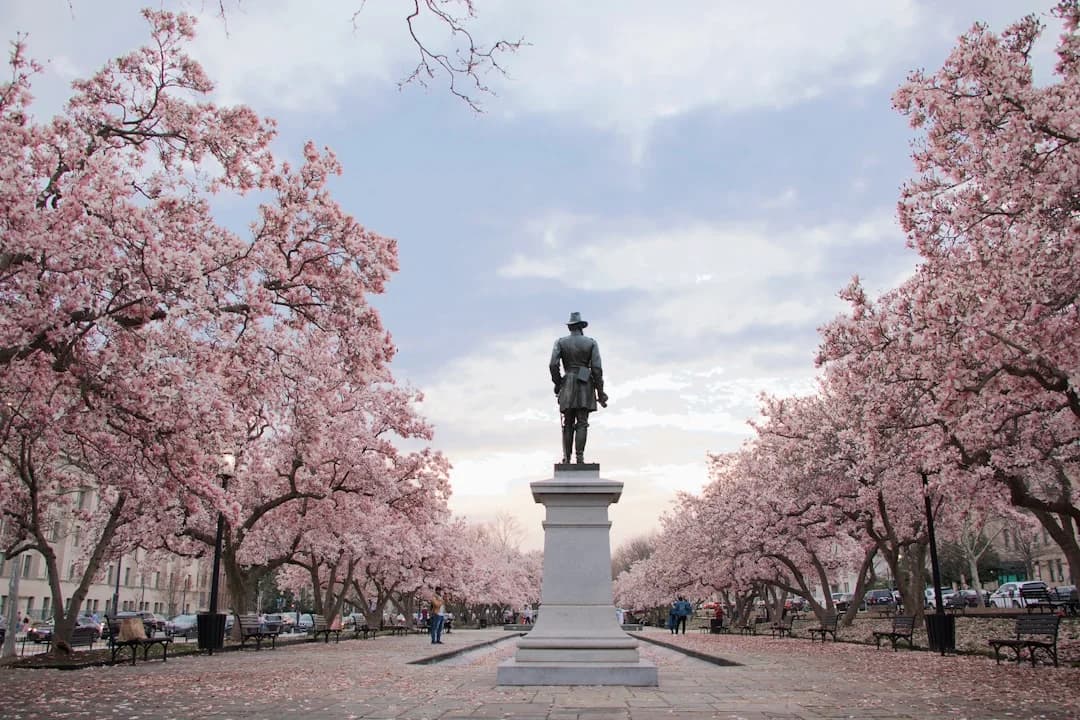
Photo by Tessa Rampersad on Unsplash
The District of Columbia is entering a pivotal spring period as cherry blossom season 2026 DC unfolds across the national capital. On March 5, 2026, official forecasts from the National Park Service (NPS), in collaboration with the National Cherry Blossom Festival and the Trust for the National Mall, placed peak bloom for the Yoshino cherry trees at the Tidal Basin in the window of March 29 to April 1, 2026. This forecast arrives as the festival itself is poised to run from March 20 through April 13, 2026, offering a three-week-plus calendar of events that attract millions of visitors and energize local commerce while presenting logistical challenges for city planners and businesses. The timing matters because peak bloom signals a nationwide spring milestone and anchors a series of transit, hospitality, retail, and technology-enabled experiences that shape the District’s economy during a critical tourism cycle. This year’s season also coincides with broader civic milestones, including preparations tied to the nation’s 250th anniversary year, which adds a layer of public-safety and city-branding considerations to the bloom watch and festival planning. (nps.gov)
As public officials and festival organizers communicate the forecast and schedule, the emphasis remains on data-driven planning and transparent information for residents, commuters, and visiting technologists who rely on reliable infrastructure, digital wayfinding, and real-time updates. Forecast updates and bloom-watch progress are essential for hotel occupancy planning, ride-hailing demand, and the design of Safety and Operations measures across Metrorail, bus routes, parks, and waterfronts. This is a season where technology teams, city planners, and market analysts watch weather data, crowd models, and transportation patterns as tightly as they monitor the blossoms themselves. The National Park Service has a long-running Bloom Watch program that scores blossom development daily, with peak bloom defined as the day when 70 percent of Yoshino cherry blossoms are open around the Tidal Basin and nearby Mall corridors. The 2026 bloom-watch status is actively tracked on the NPS site, providing the public with a trusted, data-backed view of progress as conditions evolve. (nps.gov)
Section 1: What Happened
Forecast and official bloom window
The centerpiece news for cherry blossom season 2026 DC is the official forecast identifying a peak bloom window from March 29 to April 1, 2026. This range is consistent across multiple authoritative outlets and reflects a forecast that takes into account chill hours, warm spells, and other weather patterns that influence bud development. The forecast was announced in early March by the NPS in partnership with the National Cherry Blossom Festival and the Trust for the National Mall, underscoring the collaboration between federal agencies and civic organizations in delivering timely, accurate information to visitors and local businesses. The forecast window is not a guarantee; bloom timing remains weather-dependent, with visibility, crowd conditions, and park management influenced by the actual progression of blossoms in the weeks leading up to peak bloom. Still, the March 29–April 1 target has become a focal point for planners, hotels, and transportation providers preparing for a surge in demand. “Peak bloom is predicted to occur between March 29 and April 1, 2026,” a forecast that has drawn attention from local media and tourism partners. (accuweather.com)
Quote: “Peak bloom is predicted to occur between March 29 and April 1.” — National Park Service, in coordination with the festival partners. (accuweather.com)
Festival schedule and public events
The National Cherry Blossom Festival officially runs in 2026 from March 20 through April 13, presenting more than a dozen major events, exhibitions, and family-friendly programs across DC’s cultural sites, waterfronts, and public parks. The festival’s public-facing calendar includes ceremonial openings, cultural performances, art installations, and the iconic blossoms backdrop that draws visitors from around the country and from international markets. The festival’s organizing body has published schedules and press materials that align with the bloom forecast, providing concrete dates for programming that audiences can plan around, including screenings, concerts, and culinary showcases that celebrate spring and the sister-city relationship between Washington, DC, and Tokyo. The official festival site and the Goodwill Ambassador materials confirm the multiweek window for events and programming, helping businesses align promotions, staffing, and inventory with anticipated crowds. (nationalcherryblossomfestival.org)
Visitor advisories and transportation impact
A season defined by blossoms also means heightened activity around the National Mall, Tidal Basin, and Pennsylvania Avenue corridors. City agencies traditionally implement traffic management plans, temporary road closures, and enhanced transit service during peak bloom weeks. The District’s citywide event calendars for 2026, including the Metropolitan Police Department and Homeland Security and Emergency Management Agency (HSEMA) schedules, reflect coordination for large crowds, seasonal staffing, and safety operations designed to minimize disruption while safeguarding visitors. The 2026 MSETG calendar and related notices show ongoing event planning that intersects with Cherry Blossom Festival programming, underlining the need for real-time travel updates, crowd-control measures, and public-safety communications during peak weeks. Readers should expect traffic patterns to shift, with neighborhood-level parking restrictions and transit advisories issued as the bloom and festival progress. (hsema.dc.gov)
Section 2: Why It Matters
Economic and tourism implications
Cherry blossom season 2026 DC is more than a botanical phenomenon; it is a major economic catalyst for the District and regional commerce. The festival’s broad appeal, combined with the national attention on the bloom, typically drives high hotel occupancy, restaurant bookings, cultural venue attendance, and retail activity. While precise 2026 revenue figures will emerge from city economic reports later in the season, historical data illustrate the scale of impact: tens of millions of dollars in local economic activity during peak bloom, with visitor traffic concentrated around waterfront districts, museum hubs, and downtown commerce corridors. Media outlets and economic observers frequently cite the season’s role as a barometer for spring tourism and a driver of ancillary spending across transportation, hospitality, and services sectors. The 2024 coverage from national outlets highlighted a multiweek tourism surge and related economic contributions; those patterns tend to persist, though exact numbers vary by year and by weather-driven attendance. For context, national coverage and local reporting consistently place the festival year after year as a significant contributor to spring revenue in the DC metro area. (apnews.com)
Quote: The National Cherry Blossom Festival’s events tend to generate substantial tourism activity, with spillover effects across hospitality and retail sectors. This year’s schedule aims to maximize safe, accessible visitor experiences while sustaining local businesses during a competitive spring season. (nationalcherryblossomfestival.org)
Technology, data, and planning implications
From a technology perspective, cherry blossom season 2026 DC exemplifies how cities leverage data and communications infrastructure to manage large crowds. Real-time bloom-tracking dashboards, transit occupancy analytics, and mobile-app-guided wayfinding are increasingly integral to delivering a high-quality visitor experience while protecting public safety and maintaining city operations. The Bloom Watch program, administered by the National Park Service, provides daily status updates on blossom progression, a data stream that civic tech teams and transportation planners use to calibrate crowdsourced information, predictive models, and service levels. The forecast window for peak bloom, while weather-dependent, offers a reliable anchor for planning, enabling businesses to optimize marketing campaigns, inventory planning, and staffing. The convergence of climatology, event management, and digital tools during cherry blossom season 2026 DC demonstrates how data-driven approaches can reduce disruption and maximize positive visitor outcomes. (nps.gov)
Public safety, urban planning, and accessibility
The season also highlights the importance of safety-focused planning in a densely used urban environment. With the Tidal Basin and surrounding parks attracting millions of people, public safety messaging, crowd management, and accessibility initiatives take center stage. City agencies coordinate with federal partners to ensure safe pedestrian flow, timely information dissemination, and accessible facilities for visitors with disabilities and families with young children. The 250th-anniversary-related planning adds a broader municipal safety and security dimension, requiring robust coordination between city services, law enforcement, transit agencies, and event organizers. These collaborations reinforce the value of a transparent, data-informed approach to public communications during peak bloom, helping residents and visitors anticipate changes in service levels and plan accordingly. (nps.gov)
Market and business ecosystem implications
For local businesses, cherry blossom season 2026 DC serves as a seasonal accelerator for consumer activity across hospitality, retail, and service sectors. Merchants along the Mall, in Penn Quarter, and near waterfront districts typically experience elevated demand in the weeks surrounding peak bloom. The festival’s multiweek schedule provides a stable frame for promotions, seasonal product launches, and cross-promotions with cultural institutions. Market analysts watch the season as an indicator of consumer sentiment and tourism patterns, with data-driven analyses informing marketing budgets, inventory decisions, and workforce planning. Additionally, tech-enabled experiences—such as augmented-reality tours, smart signage, and app-based crowd information—are increasingly part of the visitor experience, aligning with broader trends in how technology shapes city tourism. While precise 2026 numbers will emerge later, the combination of a well-timed forecast window, festival programming, and infrastructure readiness positions cherry blossom season 2026 DC as a meaningful economic event with lasting impact on the District’s tech and market ecosystems. (nationalcherryblossomfestival.org)
Section 3: What’s Next
Key dates to watch
From a planning vantage point, several dates will define the next phase of cherry blossom season 2026 DC coverage and experience:
- March 5, 2026: Official peak bloom forecast released by NPS in partnership with festival organizers, signaling the initial anchor date for planning and marketing efforts. This forecast is widely referenced by media and industry watchers as the baseline for the bloom season. (nps.gov)
- March 20, 2026: Opening of the National Cherry Blossom Festival’s public programming window, marking the start of major community and cultural events across DC. The festival’s published schedule confirms this start date and the surrounding programming that engages residents and visitors alike. (nationalcherryblossomfestival.org)
- March 29–April 1, 2026: Predicted peak bloom window, a critical milestone for photographers, tour operators, hotels, and transit providers planning for the densest crowds and the most photograph-worthy moments. Forecast outlets consistently highlight this window as the period with the greatest blossom visibility, informing advertising calendars and event logistics. (accuweather.com)
- April 13, 2026: Festival close date, providing a natural endpoint for major events and a transition back to a more typical spring rhythm for local businesses and city services. The official Goodwill Ambassador materials outline this end date as part of the formal festival schedule. (nationalcherryblossomfestival.org)
Industrial planners and local businesses should remain attentive to daily bloom-watch updates, as weather conditions in late March can shift the exact timing by several days. The Bloom Watch program’s ongoing updates are designed to give stakeholders a timely, authoritative view of blossom development and to help adjust operations, promotions, and staffing as needed. This data-driven approach is increasingly central to how DC handles big-season events, balancing public access with safety and infrastructure capacity. (nps.gov)
Preparation and watchful planning for residents, tourists, and businesses
As cherry blossom season 2026 DC progresses, residents and visitors should consider several practical steps to optimize experiences while minimizing disruption:
- Stay informed with official bloom updates and festival announcements. The NPS Bloom Watch and the National Cherry Blossom Festival’s communications channels are the primary sources for the latest bloom timing, event schedules, and safety advisories. (nps.gov)
- Plan transportation and lodging with peak-bloom potential in mind. Hotels, rideshare services, and public transit providers typically experience elevated demand during the peak bloom window, particularly near the Tidal Basin and downtown DC. Proactive booking and early-arrival planning can help travelers secure favorable rates and convenient access. News outlets and festival partners frequently publish guidance and tips for navigating crowded periods, including best viewing spots and alternative routes. (accuweather.com)
- Consider complementary experiences beyond the Tidal Basin. The cherry-blossom season 2026 DC calendar includes cultural programs at museums, galleries, theaters, and riverfront venues that extend the appeal beyond the iconic trees. The festival’s schedule and partner programming emphasize a multi-site approach to springtime experiences, which can ease congestion and broaden access for families, tech enthusiasts, and business visitors. (nationalcherryblossomfestival.org)
- Prepare for public-safety and accessibility needs. As with past years, large crowds necessitate mindful planning around mobility, accessibility, weather, and safety. City agencies coordinate with the festival to ensure smooth operations, clear signage, and accessible facilities, particularly around major viewing corridors and transit hubs. Highlights from city planning and safety briefings emphasize proactive communication and coordinated responses to evolving conditions. (hsema.dc.gov)
Closing
Cherry blossom season 2026 DC stands at the intersection of natural beauty, civic planning, and market dynamics. With peak bloom forecast for March 29 to April 1, and festival programming spanning March 20 through April 13, the District faces a window rich with opportunity and complexity. Data-driven forecasting, robust safety measures, and coordinated public-private planning will shape not only how many people visit the city, but how well technology, transit, hospitality, and cultural institutions deliver a high-quality experience during one of DC’s most eagerly anticipated seasonal milestones.
As the bloom-watch updates roll in and the festival’s events expand across neighborhoods, readers can expect a clearer, day-by-day view of how the cherry blossoms unfold and how local markets adapt to the seasonal surge. For residents and visitors alike, the season offers a structured opportunity to engage with the city’s spring rhythm—one that blends natural grandeur with a data-informed, technology-enabled urban experience. To stay updated, follow the National Park Service Bloom Watch, the National Cherry Blossom Festival’s official communications, and trusted DC news outlets for real-time forecasts, event changes, and travel advisories.
Throughout the coming weeks, DC’s tech and market communities will be watching closely how the season’s bloom translates into visitor flows, logistics optimization, and business opportunities. The convergence of climate, culture, and commerce in cherry blossom season 2026 DC underscores a broader trend: cities increasingly rely on precise data and coordinated public outreach to turn a natural spectacle into a sustainable, economically productive experience for residents and guests alike. (nps.gov)