
Capitol Hill Policy Agenda Preview: DC Insights
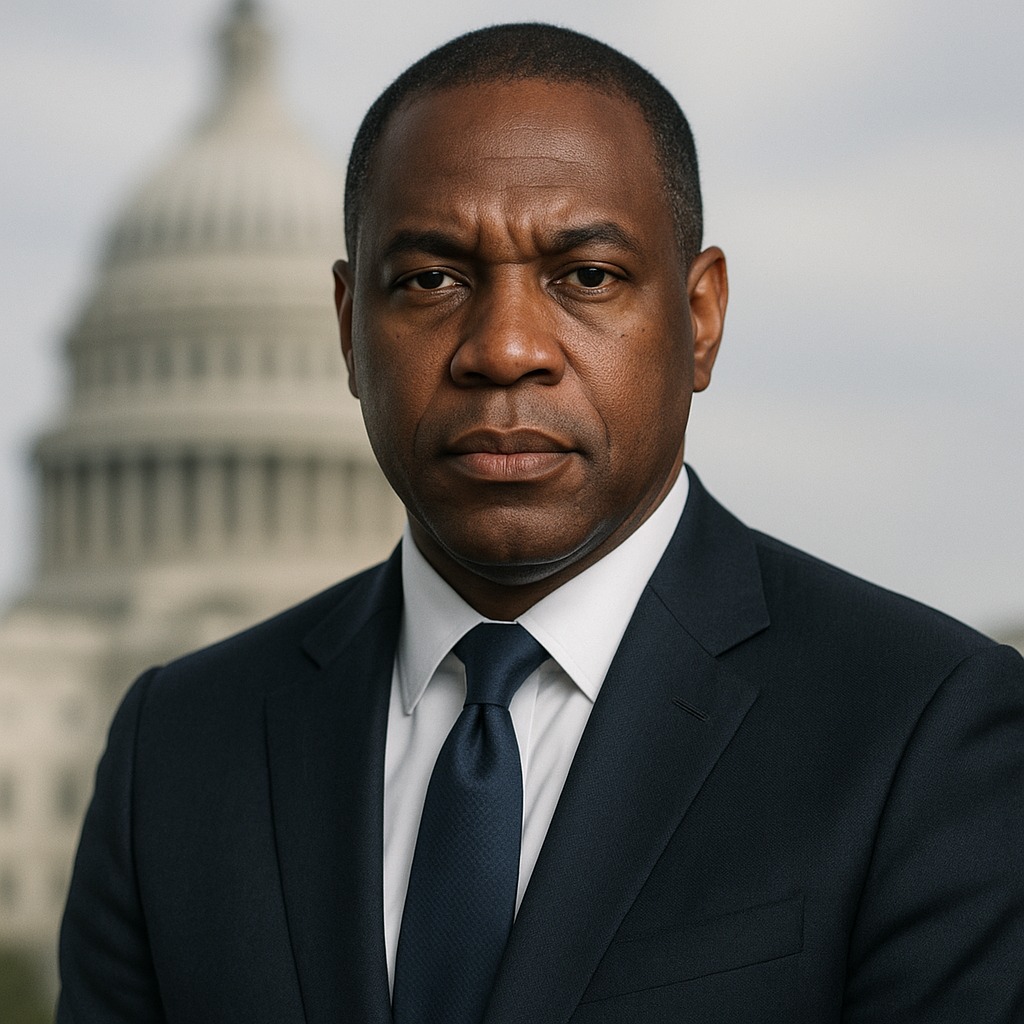

District of Columbia Times — Independent journalism from the heart of American governance — presents a Capitol Hill Policy Agenda Preview tailored for DC residents and policy watchers. This DC-focused analysis translates the often opaque choreography of Congress into tangible implications for local governance, federal funding, and the everyday lives of people who live and work in the nation’s capital. In this Capitol Hill Policy Agenda Preview, we connect the dots between the Capitol’s deliberations and District of Columbia policy outcomes, offering readers clarity, context, and practical takeaways. For DC audiences, understanding what Capitol Hill prioritizes today is not an abstract exercise; it shapes housing costs, healthcare access, transit investments, and public safety in neighborhoods from Anacostia to Glover Park. This article weaves together contemporary reporting, expert perspectives, and DC’s distinctive governance realities to provide a rigorous, policy-aware lens on the federal-stage agenda and its local echoes.
What this Capitol Hill Policy Agenda Preview Means for DC Right Now A Capitol Hill Policy Agenda Preview is a roadmap for how Congress intends to shape policy in the near term. It is not a single bill, but a constellation of priorities, proposals, funding requests, and oversight commitments that collectively determine the environment in which local policymakers operate. For District residents and policy watchers, a credible Capitol Hill policy agenda preview offers advance insight into topics such as housing affordability, healthcare funding, transportation infrastructure, and the federal dollars that sustain local programs. In this era of rapid change, DC’s residents look to Congress for signals about budgetary priorities, regulatory reforms, and the pace of congressional action that may influence local service delivery. This piece anchors those signals in current reporting and in how DC officials and communities interpret them. As one observer notes, “Capitol Hill policy debate often sets the floor for what becomes local policy” — a reminder that national debates have direct, measurable consequences for DC neighborhoods. (washingtonpost.com)
The Anatomy of a Capitol Hill Policy Agenda Preview and Why It Matters in DC
DC policy watchers often ask: what exactly constitutes a credible Capitol Hill policy agenda preview? At its core, a robust preview identifies the policy domains Congress is likely to address, flags potential funding shifts, and outlines the political dynamics that could accelerate or block action. In practice, this means synthesizing legislative outlines, committee work plans, and the statements of influential members and caucuses. For District of Columbia readers, the relevance is direct: a forthcoming agenda on housing finance, Medicaid funding, or federal grants for city programs can determine whether vital services are funded, whether local regulations align with federal incentives, and how neighborhoods can plan for the coming year. A credible Capitol Hill policy agenda preview also notes the interplay with broader national priorities — from fiscal discipline to workforce development — and how those crosswinds interact with DC’s own policy goals, such as targeted affordability strategies and capacity-building for city agencies. As policy commentator perspectives have recently underscored, “the most consequential policy moves are often announced first as a Capitol Hill agenda preview, then refined through committee process and executive action.” (politico.com)
DC-Specific Stakes: Why National Policy Agendas Always Hit Local Life
The District of Columbia is uniquely affected by national policy trajectories because federal action often funds major local programs, sets regulatory guardrails, and shapes the city’s growth corridors. For example, affordable housing and tax credit programs frequently hinge on federal appropriations and regulatory changes that ripple through DC’s housing market, rental stabilization efforts, and neighborhood development initiatives. In February 2026, DC executives and policy advocates highlighted looming questions about federal funding for health care, housing, and social services, underscoring the importance of DC-specific implications in any Capitol Hill policy agenda preview. The Washington Post recently framed how a bipartisan affordability agenda, introduced by a cross-partisan cadre of lawmakers, aims to address living costs that affect DC residents and families as they navigate housing, health care, and energy costs ahead of midterm considerations. That framing illustrates how Capitol Hill agendas can shape practical levers for DC’s policy toolkit. (washingtonpost.com)
Core Policy Axes in a Capitol Hill Policy Agenda Preview for DC
Housing Affordability, Home Ownership, and Neighborhood Stability
Housing affordability remains a central axis in any DC-focused Capitol Hill policy preview. National policy conversations about zoning reform, housing supply, inclusionary zoning, and tax incentives interact with DC’s own housing market dynamics, rental assistance programs, and local affordability strategies. A recent national piece described a bipartisan affordability agenda that emphasizes permit streamlining, housing production incentives, and targeted tax credits; the DC lens emphasizes how such measures can translate into more units, stabilized rents, and enhanced neighborhood viability in neighborhoods experiencing cost pressures. In practical terms for DC residents, a Capitol Hill policy agenda preview that prioritizes housing would signal potential federal support for many neighborhood-focused initiatives — from mixed-income developments to infrastructure improvements around transit nodes — and could influence city-led housing strategies, tenant protections, and housing subsidies. As coverage in major outlets shows, affordability policy is a live, bipartisan conversation with real-world consequences for households considering home purchase or rental stability. (washingtonpost.com)
"Housing policy is not just bricks and leases; it's about the people who live in them and the futures those families are building."
Health Care, Medicaid, and Federal Funding in DC
Healthcare costs and Medicaid funding form another pillar of a Capitol Hill policy agenda preview that matters in DC. The District relies on federal funding streams and programmatic support to sustain safety-net services for residents, seniors, and the most vulnerable populations. National conversations about Medicaid financing, premium tax credits, and health care access directly affect DC’s ability to administer local health programs, support clinics, and maintain safety-net networks. In early 2025–2026 reporting, leaders warned that proposed federal funding changes could have meaningful local impact, prompting DC policymakers to monitor any Capitol Hill movement closely. DC residents watch for clarity on how a potential preview translates into actual dollars, service levels, and administrative burdens or flexibilities for city health programs. The broader national debate around health care costs and entitlements remains a key driver of the Capitol Hill policy agenda preview’s relevance to DC’s residents and policy watchers. (washingtonpost.com)
Transportation Infrastructure and Federal Investment
The nation’s capital sits at a crossroads of federal and local transportation priorities. A Capitol Hill policy agenda preview that foregrounds infrastructure investment can signal funding directions for transit upgrades, road safety improvements, and resilience projects that affect DC’s neighborhoods and cross-border corridors. The national conversation around permitting reforms, infrastructure financing, and project timelines has a direct bearing on DC’s ability to deliver on transportation ambitions — from bus rapid transit corridors to rail modernizations that support commuters and tourists alike. Readers should expect a policy preview to flag potential shifts in federal clearance timelines, financing mechanisms, and oversight provisions that could accelerate or delay DC’s transportation initiatives. When a policy agenda preview aligns with DC’s transportation needs, the result is clearer planning horizons for residents and more predictable budget planning for city agencies. (washingtonpost.com)
Public Safety, Justice, and Federal-Local Partnerships
Public safety is a perennial DC priority, and federal security posture or congressional oversight can shape local policing strategies, grants, and interagency coordination. In this Capitol Hill policy agenda preview, readers should expect attention to federal–local partnerships, grant programs for public safety and anti-crime initiatives, and potential changes in funding that support community policing and crime prevention efforts. The national discourse on law enforcement reform and border policy, as well as federal funding for city safety programs, informs how DC’s safety landscape evolves. Policy watchers should track not only the policy language but also the timelines for funding and implementation that could affect police/jail reform, mental health crisis response, and community-based public safety models. (theguardian.com)
Education, Workforce Development, and Federal Support for DC Schools and Youth Programs
Education policy is consistently a high-leverage area in any Capitol Hill policy agenda preview. Federal investments in workforce development, Pell Grants, and youth employment programs intersect with DC’s local commitments to K–12 enhancements, career pathways, and higher education funding. DC residents often view federal education policy as a lever to improve local outcomes, including opportunities for youth internships, vocational training, and community college access. The CHCI (Congressional Hispanic Caucus Institute) policy briefing series recently highlighted how national policy dialogues shape education and workforce initiatives with broader social impact in Washington, DC, and across the country. A Capitol Hill policy agenda preview that signals stronger investments in these areas could help DC agencies and nonprofits design more effective programs and partnerships. (chci.org)
Illustrative Case Study: The Problem Solvers Caucus’ Affordability Agenda
In early 2026, a notable example of a Capitol Hill policy agenda preview shaping national discourse came from a bipartisan Problem Solvers Caucus effort focused on affordability. The Washington Post highlighted a comprehensive affordability agenda that targets energy project permits, housing supply, child care funding, and health care costs, with a practical emphasis on restoring expired ACA premium tax credits and other cost-savings measures. While the DC-specific impact depends on federal appropriations and the legislative process, such a preview gives DC policymakers and residents a clearer idea of what to expect in the near term and how federal decisions could influence local cost-of-living dynamics. For DC policy watchers, this case underscores the importance of reading a Capitol Hill policy agenda preview not as a static document but as a living signal that shapes city planning, neighborhood investments, and family budgets over the coming quarters. (washingtonpost.com)
A Bipartisan Narrative: DC Autonomy Debates and Capitol Hill Priorities
Beyond policy specifics, ongoing debates about federal authority over local governance in the District influence how DC policymakers interpret a Capitol Hill policy agenda preview. Discussions about home rule, autonomy, and federal intervention underscore the need for a careful reading of congressional priorities in a DC context. The Washington Post and other outlets have reported on the broader tensions around DC autonomy, including discussions about federal involvement in local policy areas and the implications for DC governance. For DC residents, a Capitol Hill policy agenda preview can illuminate where federal priorities begin and where local priorities must continue to push the envelope for city-level reforms and funding. This framing—linking national priorities to local autonomy—helps readers understand the practical contours of policy as it unfolds in Congress and then lands in District streets, schools, clinics, and transit hubs. (politico.com)
The Mechanics: How a Capitol Hill Policy Agenda Preview Translates to DC Policy Action
A Capitol Hill policy agenda preview is not the final policy act; it is a forecast that guides stakeholders in preparing for forthcoming changes. For DC residents and policymakers, the path typically looks like this:
- Policy signal: Congress outlines priorities in hearings, white papers, caucus memos, and floor remarks that form a preview of what may become law or regulation.
- Budget alignment: The executive and legislative branches align funding requests with those priorities, shaping the availability of federal dollars for DC programs.
- Local adaptation: DC agencies, nonprofits, and community groups interpret the preview to align local programs, grant applications, and partnerships with anticipated federal actions.
- Accountability and oversight: Congressional committees monitor implementation, evaluate outcomes, and adjust policy instruments based on performance data and stakeholder feedback. This cycle—signal, fund, implement, evaluate—defines how the Capitol Hill policy agenda preview ripples through the District’s governance and community life. The CHCI policy briefing series and other Capitol Hill-facing events illustrate how policy discussions translate into concrete ideas and funding commitments that spill over into DC’s public life and social programs. (chci.org)
The Role of DC Agencies, Local Leaders, and Community Voices
District policymakers, advocacy groups, and community organizations actively interpret and respond to Capitol Hill policy previews. They translate national priorities into local strategies, refine grant proposals, advocate for targeted funding, and push for policy adjustments that reflect DC’s unique demographics and needs. This collaboration matters: when a Capitol Hill preview emphasizes affordable housing, DC’s housing agencies, developers, tenant groups, and neighborhood associations must align on timelines, funding sources, and program design. Similarly, health care, transportation, and education priorities require close coordination among city agencies, public schools, universities, hospitals, and community-based organizations to translate federal priorities into on-the-ground improvements. The practical outcome is a DC landscape where residents see clearer links between national debates and local services, whether that means more housing units, expanded health coverage, or better transit options in their neighborhoods. (washingtonpost.com)
Quotes and Perspectives: Framing Capitol Hill Policy Debate for DC
Policy proponents and observers often remind readers that policy is a lived experience, not an abstract exercise. As a well-known proverb frames it, “The best way to predict the future is to create it.” In the context of a Capitol Hill policy agenda preview, that sentiment translates into action: how communities, advocates, and policymakers mobilize around anticipated federal decisions can influence outcomes in DC’s neighborhoods, schools, and services. For DC policy watchers, quoted reflections from national coverage emphasize the importance of translating congressional priorities into local impact. The practical takeaway is that readers should look for not only what is being proposed but also how it will be funded, implemented, and measured within the District. (washingtonpost.com)
A Structured View: Comparative Snapshot of Policy Areas (Illustrative Table)
The following illustrative table highlights policy areas that commonly appear in Capitol Hill policy agenda previews and how they could intersect with DC priorities. Note: the items below are provided for context and planning purposes; they are not official policy determinations.
| Policy Area | Potential DC Impact | Possible Federal Action / Funding Path | Status (illustrative) |
|---|---|---|---|
| Housing affordability | Increased supply, stabilized rents, more affordable units | Federal tax incentives, streamlined permitting, federal housing program funds | Illustrative: watch for housing-related provisions in upcoming budget bills |
| Healthcare costs and Medicaid | Local clinics and safety-net funding stabilized | ACA premium tax credits, Medicaid funding adjustments | Illustrative: monitors for changes in federal health policy and outreach programs |
| Transportation and infrastructure | Transit reliability, road safety improvements near federal corridors | Infrastructure funding, grant programs, FAST Act-like measures | Illustrative: anticipate gridlock relief or delays tied to federal budget cycles |
| Public safety and policing | Federal grants for crime prevention, cross-agency cooperation | Federal grant programs, oversight funds | Illustrative: track grant opportunities and reporting requirements |
| Education and workforce | Expanded access to training, higher ed support, youth programs | Workforce development funding, Pell/education grants | Illustrative: align DC programs with federal workforce priorities |
- The illustrative table above is designed to help DC readers conceptualize how a Capitol Hill policy agenda preview can translate into local policy action. It is not a transcript of a specific current plan, but a practical framework to interpret ongoing congressional deliberations. Readers should verify the latest committee reports and budget texts for precise language and funding levels.
FAQs: Navigating Capitol Hill Policy Agenda Previews for DC
-
What is a Capitol Hill policy agenda preview?
- It is an initial synthesis of congressional priorities, proposed legislation, and funding directions that may shape future policy outcomes. In DC, this preview helps local leaders anticipate potential federal actions and align city programs accordingly.
- See current coverage and examples of bipartisan affordability discussions and policy briefings as a practical reference for how previews are framed and discussed. (washingtonpost.com)
-
How should DC residents use a Capitol Hill policy agenda preview?
- Use it to track potential funding opportunities, understand regulatory changes, and anticipate timelines for major policy shifts that could affect housing, health, and mobility in DC neighborhoods. Engage with local officials and community groups to translate national priorities into action plans.
-
What are signals that a Capitol Hill policy agenda preview will affect DC in the near term?
- Signals include: new or expanded federal funding programs targeting DC services, changes in health care policy impacting Medicaid or ACA subsidies, and proposed infrastructure funding with DC-specific project allocations. Keeping an eye on committee hearings, budget resolutions, and cross-party policy briefs can help readers anticipate where to focus local advocacy and program planning. (washingtonpost.com)
Voices from the Ground: DC Residents and Local Leaders Weigh In
DC residents and policy watchers express a strong desire for predictable federal-DC cooperation that respects local realities. In interviews with city officials and advocacy groups, the clear message is that national policy previews must translate into transparent funding decisions, timely grant opportunities, and collaborative governance that addresses DC’s distinct needs—from neighborhood stabilization to transit equity. Articles and policy briefings from national outlets illustrate how such previews are interpreted in real-time by local actors. The desired outcome is a policy landscape that reduces uncertainty for families and small businesses while enabling DC’s communities to participate meaningfully in policy design and oversight. This aligns with District leadership’s emphasis on resilience, equity, and practical outcomes in the face of federal policy shifts. (theguardian.com)
The Washington DC Policy Watch: Practical Guidance for Residents
For DC residents and policy watchers, a credible Capitol Hill policy agenda preview offers several practical benefits:
- Clarity on what federal actions are most likely to affect local services and budgets.
- Early visibility into opportunities for DC-based organizations to secure federal funding and partnerships.
- A framework to engage with Congress, the executive branch, and local officials on policy design, implementation, and accountability.
District of Columbia Times will continue to monitor Capitol Hill developments, translating them into timely, locally relevant analysis. Our reporting emphasizes the interplay between national policy debates and DC’s daily life—housing, health care, transit, safety, and education—so residents can advocate effectively and stay informed about policy trajectories that will shape the next several quarters. As the public conversation evolves, this Capitol Hill Policy Agenda Preview remains a living document, guiding readers through the maze of congressional activity and its local implications.
A Note on Data Gaps and Further Data Needs
While the article integrates current reporting and ongoing policy developments, some elements of a Capitol Hill policy agenda preview require granular, real-time data to be fully precise. Actual funding allocations, bill language, committee schedules, and final budget numbers can change rapidly. If you are tracking a specific policy area, we can compile the latest committee reports, budget texts, and floor action as they become available, and publish an updated Capitol Hill policy agenda preview focused on DC impacts. Readers should treat illustrative items and projections as directional indicators rather than final determinations, and seek the latest official budget documents for authoritative figures.
Children’s dentist is not only about taking care of their teeth, it's also about taking care of their habits.
In DC, the habit is ongoing civic engagement: following Capitol Hill policy agenda previews, staying informed about funding cycles, and participating in public dialogue that shapes how the District responds to federal priorities.
Conclusion: Reading the Capitol Hill Policy Agenda Preview with a DC Lens
This article has offered a thorough Capitol Hill Policy Agenda Preview tailored for District residents and policy watchers. By linking national priorities to DC-specific realities, we provide a practical framework for understanding how congressional deliberations become local policy actions. The District’s governance ecosystem — from city agencies to community organizations — benefits from this clarity as it navigates federal funding, regulatory changes, and program design. As DC continues to evolve in tandem with federal policy, a well-read Capitol Hill policy agenda preview helps families, workers, and neighborhoods anticipate opportunities and prepare for changes in housing, health care, infrastructure, safety, and education. This is policy journalism with a local heart, keeping the DC community informed, empowered, and engaged with the policy processes that shape the capital city and the nation.