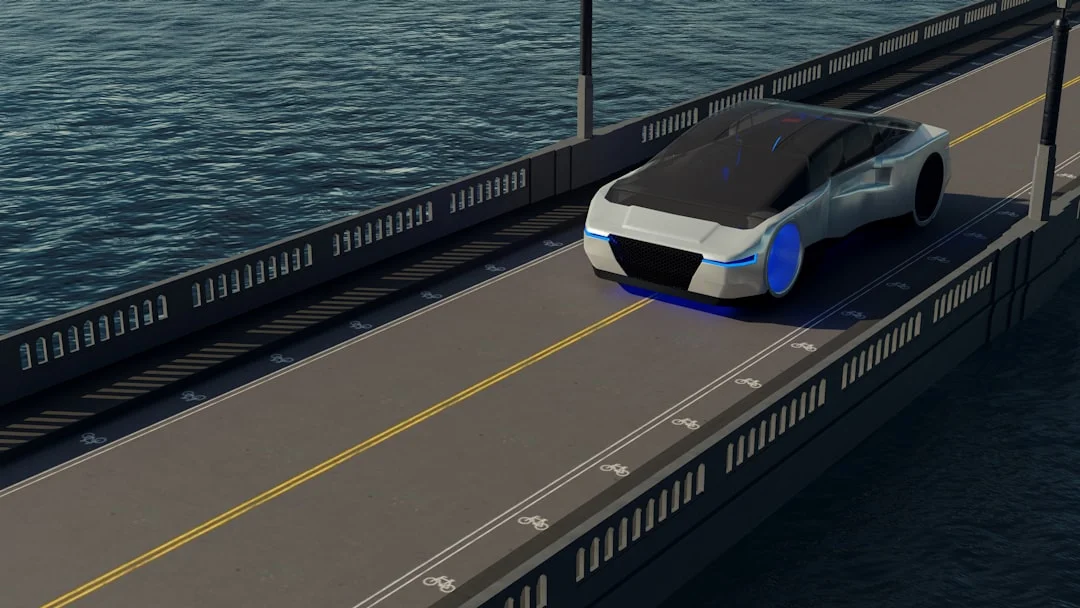
Autonomous Vehicle Observation Zone DC 2026: DDOT Challenge

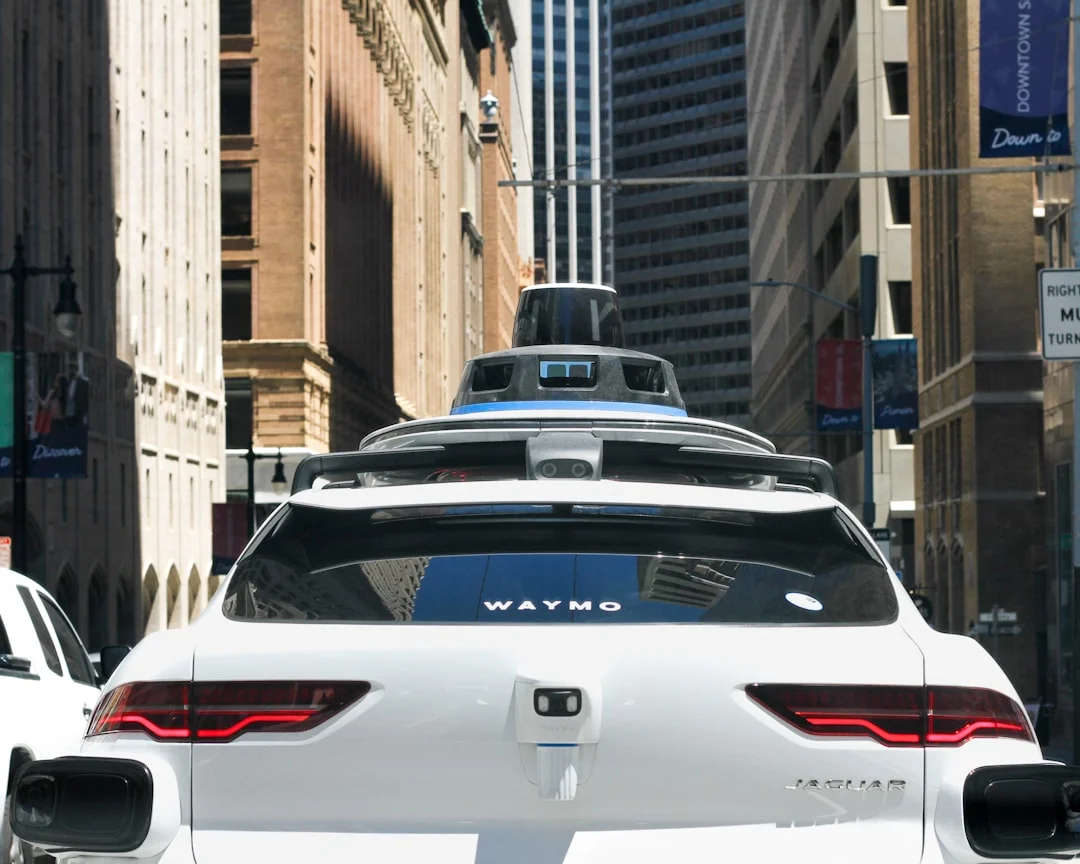
Photo by gibblesmash asdf on Unsplash
Washington, DC — The District Department of Transportation (DDOT) announced a bold, data-driven step toward understanding autonomous vehicle operations on city streets with the launch of the Autonomous Vehicle Observation Zone Challenge. The announcement positioned the project as a real-world lab designed to observe how autonomous vehicles interact with pedestrians, cyclists, transit riders and other motorists in a dense urban setting. The initiative, branded as the Autonomous Vehicle Observation Zone DC 2026, underscores DDOT’s intent to move beyond vendor-reported data and anecdotal impressions to a transparent, academically informed, evidence-based approach to AV policy. (ddot.dc.gov)
DDOT’s press materials emphasize a collaborative model that brings together local government, academia and the private sector. The agency is partnering with the Southwest Business Improvement District (SWBID), US Ignite, The George Washington University, and the University of Washington to pilot a sensing solution that can detect autonomous vehicles at two high-traffic intersections along the M Street SE/SW corridor and to analyze the vehicles’ interactions with the public. The project is explicitly framed as a pilot with a data-management framework meant to support public transparency, policy planning and ongoing research. (ddot.dc.gov)
Opening with the news, DDOT has scheduled an information session for June 11, 2026, at 4:00 p.m. ET, to outline the Challenge objectives, application requirements and evaluation criteria. Applications are due by July 16, 2026, at 5:00 p.m. ET, and the winning applicant will be announced in August 2026, with pilot deployment anticipated in early 2027. The timeline signals a measured, staged approach to evaluating AV operations in a city setting, with clear milestones for public accountability and external validation. This is a substantial update for residents and businesses along the District’s multimodal corridors, and it reflects a broader national conversation about how cities should observe and regulate autonomous mobility. (ddot.dc.gov)
What Happened
Announcement and Partners
DDOT’s June 4, 2026 release formalized the Autonomous Vehicle Observation Zone Challenge and signaled the District’s intention to establish a data-driven framework to observe AV fleet operations in the urban core. The Challenge invites qualified vendors, including companies, startups, academic institutions and research organizations, to propose sensing solutions capable of detecting and identifying autonomous vehicles operating within the District and providing data to support the observation and analysis of AV behavior. The project partners—SWBID, US Ignite, GWU and the University of Washington—anchor the effort in both practical implementation and scholarly rigor. Data produced by the winning vendor will be analyzed by leading universities to calibrate models of AV behavior and inform future policy discussions. The Challenge includes a modest but meaningful prize: $50,000 for the winning solution, and a three-to-six month pilot at two intersections along the M Street SE/SW corridor. The official timeline includes an information session on June 11, 2026, with applications due July 16, 2026, and an August 2026 announcement of the winner, followed by a pilot deployment in early 2027. This framework was detailed in the DDOT release, which also highlighted a community-engagement component to collect resident and business feedback during the test. (ddot.dc.gov)
Timeline and Pilot Details
The project’s pilot is designed to be tightly scoped and clearly measurable. The two intersections identified for initial observation are 4th Street SW/SE at M Street and New Jersey Avenue at M Street, both selected to represent dense, mixed-traffic environments with pedestrian, bicycle and transit activity. The sensing solution is required to detect autonomous vehicles without relying on in-vehicle transponders or license-plate recognition, and to identify three specific, reliable, unambiguous vehicle behaviors (for example, a vehicle turning right) to avoid ambiguous data. Executing this requires robust data-management infrastructure and transparent reporting—elements explicitly described in the DDOT release as foundational to future work. The pilot is a stepping stone toward broader AV observation capabilities that could scale to additional corridors if successful. (ddot.dc.gov)
Technical Scope and Outputs
DDOT’s instructions for the Challenge demand three core outputs: first, the ability to detect autonomous vehicles at the two specified intersections without relying on license plates or onboard transponders; second, the ability to consistently identify three defined behaviors across all observed vehicles; and third, the capacity to adapt quickly to new behaviors as the pilot evolves. The release also notes that the data gathered will be analyzed by the partner universities to develop a baseline understanding of AV behavior in a multimodal urban setting and to support public transparency around AV performance. The emphasis on data governance and public accountability aligns with broader policy debates about how to balance innovation with equity and safety. (ddot.dc.gov)
Data, Transparency and Community Input
Beyond the technical scope, the DDOT release highlights community engagement as a central pillar of the project. Residents, businesses and stakeholders will be invited to participate in the observation process, ensuring that the AV Zone operates with local input and addresses community concerns. The emphasis on transparency is paired with a plan to develop an accessible data management structure that can be used by DDOT, academic partners and other public agencies, enabling broader use of the dataset while maintaining appropriate privacy safeguards. This dual focus—rigorous data collection and meaningful public engagement—reflects a broader trend in urban AV initiatives that seek to translate technology into public benefits rather than simply showcasing demonstrations. (ddot.dc.gov)
Contextualizing the AVO Zone DC 2026 Within a Growing AV Policy Landscape
The launch of the Autonomous Vehicle Observation Zone DC 2026 occurs within a wider policy and regulatory context in which several cities are weighing how to permit, monitor and regulate autonomous vehicles. In the District, legislation and regulatory activity are evolving, with recent coverage highlighting potential pathways for robotaxis and other autonomous services, including proposals to adapt fees, equity considerations and safety standards as AVs scale up. For example, major local and national outlets reported on DC policy discussions surrounding “robotaxis,” equity in wait times, and a framework for testing and deployment that could shape how the observation zone feeds into larger decisions about autonomous mobility. While the AVO Zone is a data-collection and observation effort, its outcomes could inform policy design and implementation across the District. (washingtonpost.com)
Why It Matters
Impact on Transportation Policy and Public Accountability
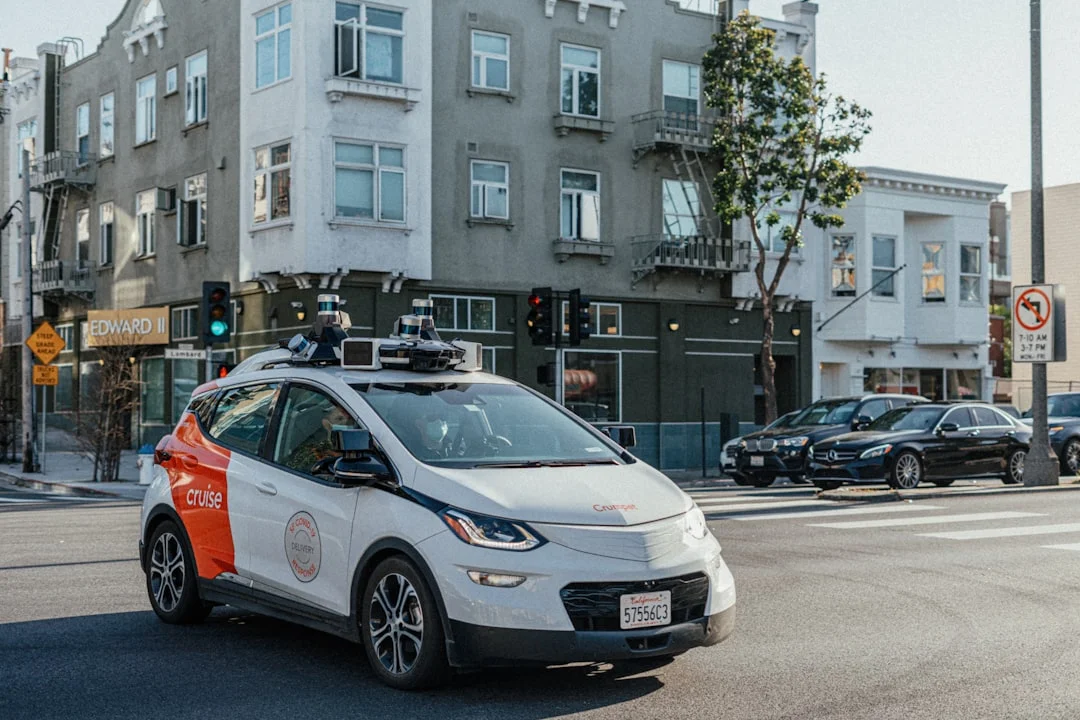
The AVO Zone DC 2026 project is framed as a data-driven mechanism to improve policy deliberations around autonomous vehicles. By establishing a controlled observation environment with clearly defined outputs, DDOT intends to generate evidence on how AVs operate amid pedestrians, cyclists and transit users in a busy urban corridor. The emphasis on data management and public transparency is designed to provide policymakers with objective inputs that can complement existing testing data and community feedback. The Washington Post has reported on broader policy questions related to AV deployment—such as safety standards, potential congestion impacts and workforce considerations—which makes the AVO Zone a timely mechanism for the District to test how data-driven observation can inform responsible regulation. The DDOT release explicitly links the pilot to public accountability and informed decision-making, signaling that data stewardship will be a central outcome of the project. (ddot.dc.gov)
Community Engagement, Equity and Local Impacts
A recurring theme in DC’s AV discussions is equity—ensuring that benefits and access do not disproportionately favor certain neighborhoods while wait times and service availability remain fair across wards. The information session and community-engagement components of the AVO Zone are designed to surface local concerns early, enabling researchers and policymakers to calibrate the pilot against real-world needs and perceptions. This approach aligns with broader public discussions about how autonomous mobility services should integrate with existing transit networks and neighborhood contexts. The NBC4 Washington coverage of DC’s autonomous-vehicle policy discussions emphasizes the importance of equity and rider experience in shaping future AV deployment, underscoring why the observation zone’s transparent data strategy matters beyond the two test intersections. (nbcwashington.com)
Regional and National Context: A Sign of Accelerated AV Activity
The AVO Zone DC 2026 launch sits within a broader, rapidly evolving AV landscape in the Washington, DC region and beyond. Industry coverage has highlighted DC’s role as a test bed for autonomous mobility, with companies like Waymo pursuing mapping and testing activities across nearby jurisdictions and regulators weighing how to integrate robotaxis into the urban fabric. For instance, national tech and industry outlets have noted DC’s growing AV activity and the regulatory conversations around enabling safe, equitable deployment, while local outlets have reported on policy proposals designed to address safety, congestion and worker impacts. The AVO Zone is part of these ongoing developments, offering a structured, transparent mechanism to study AV behavior and feed insights into policy processes. (techcrunch.com)
What This Means for Residents, Businesses and Researchers
For residents living near the pilot corridors, the AVO Zone DC 2026 represents an opportunity to observe how autonomous vehicles operate in real-world conditions and to participate in the public dialogue around safety and multimodal mobility. For local businesses and SWBID members, there is potential for improved understanding of how AVs may affect curb use, pedestrian flows and traffic patterns in and around commercial corridors. For researchers in GWU and the University of Washington, this is a rare chance to collaborate with a city agency on a real-world data collection effort that can feed applied academic work, graduate theses, and policy analyses while contributing to a shared dataset that can inform urban AV governance for years to come. The coalition approach—public sector, private partners and universities—speaks to a trend in which complex urban mobility challenges are addressed through cross-sector collaboration and data sharing. (ddot.dc.gov)
Lessons from the Broader AV Policy Debate
The DC discourse around autonomous vehicles has frequently touched on safety standards, data privacy, equitable access and the balance between innovation and public interest. The Washington Post piece on proposed robotaxi legislation illustrates the breadth of these considerations, from the need to train first responders to the debate over vehicle miles traveled fees and potential funding for transit or worker retraining programs. While the AVO Zone is primarily observational and research-oriented, its findings could influence how the District addresses these debates in future policy iterations. In this sense, the AVO Zone DC 2026 program is not just a stand-alone pilot; it is a concrete step toward data-informed governance in a rapidly changing mobility landscape. (washingtonpost.com)
What's Next
Next Milestones and Timeline
The AVO Zone DC 2026 program is structured with clearly defined milestones to ensure accountability and progress tracking. After the June 11, 2026 information session, DDOT will evaluate proposals and select a vendor by the end of July, with formal notification anticipated in August 2026. If selected, the winning vendor will deploy the sensing system at the two targeted intersections and begin the data-collection phase in early 2027. The project’s design anticipates that the data will be analyzed by GWU and the University of Washington, with results feeding into policy discussions and potential expansion of the observation zone. In short, 2026 is the launch year, 2027 is the first real-world data year, and future expansion would depend on the pilot’s findings and policy decisions. This timeline is explicitly outlined in the DDOT release. (ddot.dc.gov)
Next Steps for Vendors, Researchers and the Public
For practitioners and researchers, the AVO Zone DC 2026 presents a route to join a city-led, academically oriented AV observation effort. The DDOT release invites participants to engage in a collaborative process that includes data-sharing arrangements, methodological transparency and ongoing dialogue with residents. For the public, the emphasis on community engagement suggests ongoing opportunities to provide feedback, ask questions and learn from the data that DDOT and its academic partners will analyze. The project’s architecture—pilot-first, data-first, transparency-forward—signals a careful, measured approach that seeks to balance the excitement around autonomous mobility with a rigorous commitment to safety, equity and accountability. (ddot.dc.gov)
Regulatory and Policy Implications to Watch
As the District advances the AVO Zone DC 2026 program, observers should pay attention to how the findings influence regulatory decisions on AV testing and deployment. The regulatory environment in DC is evolving, with lawmakers weighing how to structure oversight, incentives and accountability mechanisms for autonomous mobility. The Washington Post coverage notes that policy decisions could hinge on safety standards, equity implications and the economic impacts of AV deployment, including potential programs for worker retraining and transit funding. The AVO Zone’s outcomes could shape these debates by providing concrete, system-level observations of AV behavior in a complex urban setting, potentially informing future legislation, permit processes and data-sharing norms. (washingtonpost.com)
Closing
The Autonomous Vehicle Observation Zone DC 2026 represents more than a singular test; it signals a principled, data-driven approach to understanding how autonomous mobility fits into Washington, DC’s transportation ecosystem. By combining a defined pilot with transparent data reporting, stakeholder engagement and rigorous academic analysis, the initiative aims to deliver actionable insights that can guide policy, planning and public understanding as AVs become an increasingly visible feature of city life. As the District moves from the information-session phase into proposal reviews and ultimately a first-year data collection period, residents and stakeholders will have an opportunity to watch, learn and participate in shaping how autonomous vehicles coexist with pedestrians, cyclists and transit users along DC’s busiest corridors. (ddot.dc.gov)