American University Museum Summer 2026 Exhibitions Unveiled
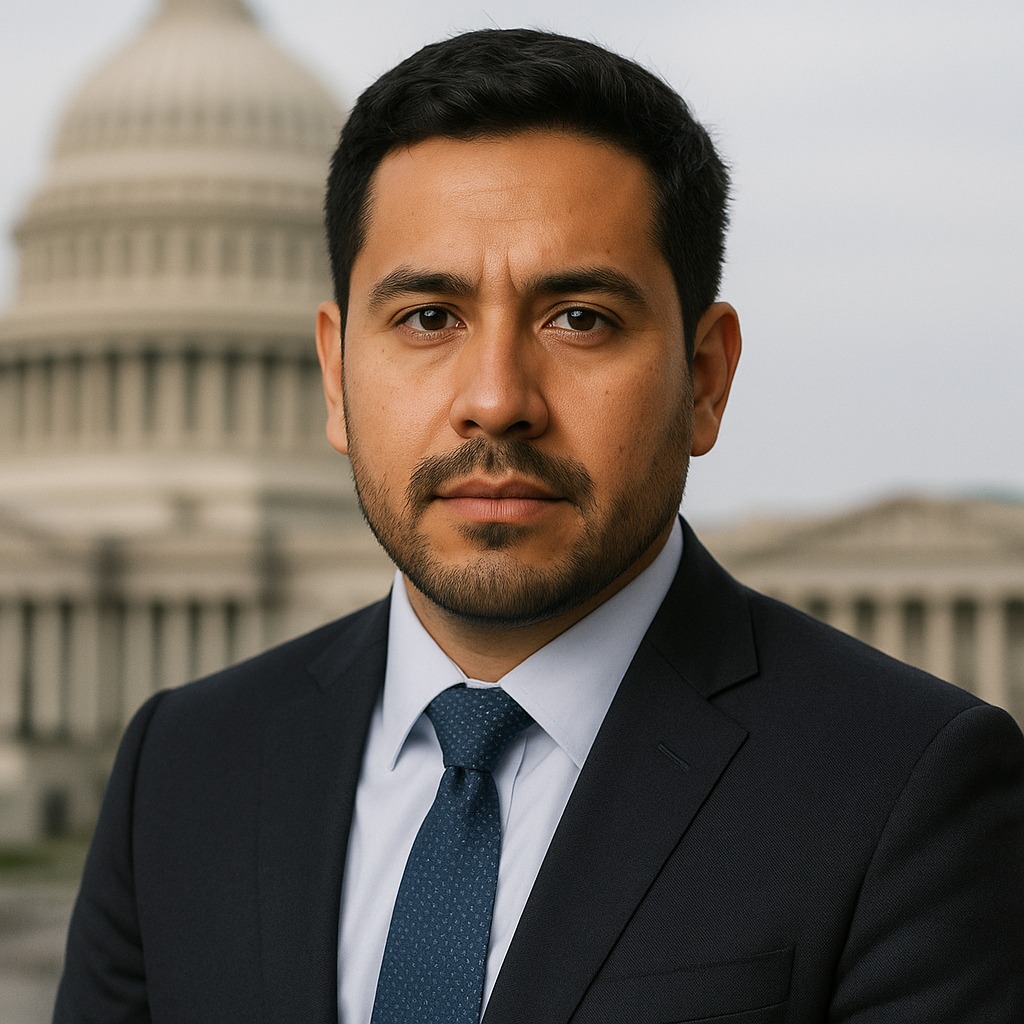

The American University Museum Summer 2026 Exhibitions represent a pivotal moment for the Katzen Arts Center and the broader Washington, DC, arts ecosystem. As the district gears up for a busy cultural season, AU’s public museum space reopens on June 13, 2026, with a seven-exhibition slate that spans painting, sculpture, drawing, photography, and mixed media. The re-opening marks a deliberate reset after a period of installation and preparation, signaling AU’s continued commitment to presenting contemporary art that engages local communities, students, scholars, and visitors from across the region. The public programs and exhibitions begin that Saturday, aligning with the university calendar and a citywide appetite for accessible, data-informed cultural experiences. This news matters not only for AU students and faculty but for art lovers and market observers who track how university museums contribute to contemporary art discourse, audience development, and collaborative programming. The official schedule, opening events, and exhibition lineup are posted on AU’s museum site and the university calendar, underscoring a transparent, calendar-driven approach to public engagement. The opening date and the specific shows are part of a broader effort to normalize a steady, publishable cycle of rotating exhibitions that AU has embraced for years, with Summer ’26 serving as a high-profile test case for programming that blends scholarship, public access, and artistic experimentation. (american.edu)
The Summer 2026 Exhibitions cycle at American University Museum at the Katzen Arts Center is designed to cater to a wide audience and to reflect the institution’s ongoing mission to present international, national, and local art in a contemporary, accessible format. The museum—described as a three-story public museum and sculpture garden located within the Katzen Arts Center—reopens its doors with a curated slate that features seven distinct bodies of work. This scale of programming highlights AU’s role as a regional anchor for museum-quality experiences that are accessible to the campus community and to DC-area visitors alike. In addition to the exhibitions themselves, the cycle includes public programming, gallery talks, and related events that are designed to broaden engagement beyond the traditional gallery experience. The museum has consistently emphasized rotating exhibitions as part of a dynamic strategy to connect Washington’s art history with global contemporary practices, and the Summer 2026 lineup continues that tradition. (american.edu)
Section 1 — What Happened
Re-opening and timeline
The key news is straightforward and timely: AU Museum is reopening for the Summer ’26 Exhibition Cycle on June 13, 2026. The university site confirms that AU Museum is currently closed while installation occurs for the Summer ’26 Exhibition Cycle and that visitors can expect re-opening on June 13, 2026. This marks a deliberate, data-backed schedule to align public programming with campus calendars and external art-going patterns for the DC metro area. The official reopening date is embedded in the museum’s Summer 2026 Exhibitions page, which also enumerates the entire slate of shows that will anchor the season. (american.edu)
The re-opening follows a broader pattern at the Katzen Arts Center, where rotating exhibitions are a core strategy for engaging diverse audiences and for maintaining a trajectory of public access to contemporary art. The About AU Museum page reinforces that the museum is a public, three-story space designed to present a broad range of media and practices, with a rotating schedule that reflects Washington, DC’s art history and its ongoing creative present. This structural context helps readers understand why the Summer 2026 Exhibitions cycle is positioned as a major event for the campus and for the city’s cultural calendar. (american.edu)
Exhibitions announced
The Summer 2026 Exhibitions lineup, opening June 13, includes seven distinct shows, each offering different vantage points on American and international art, culture, and the built environment of creative practice. The seven exhibitions are:
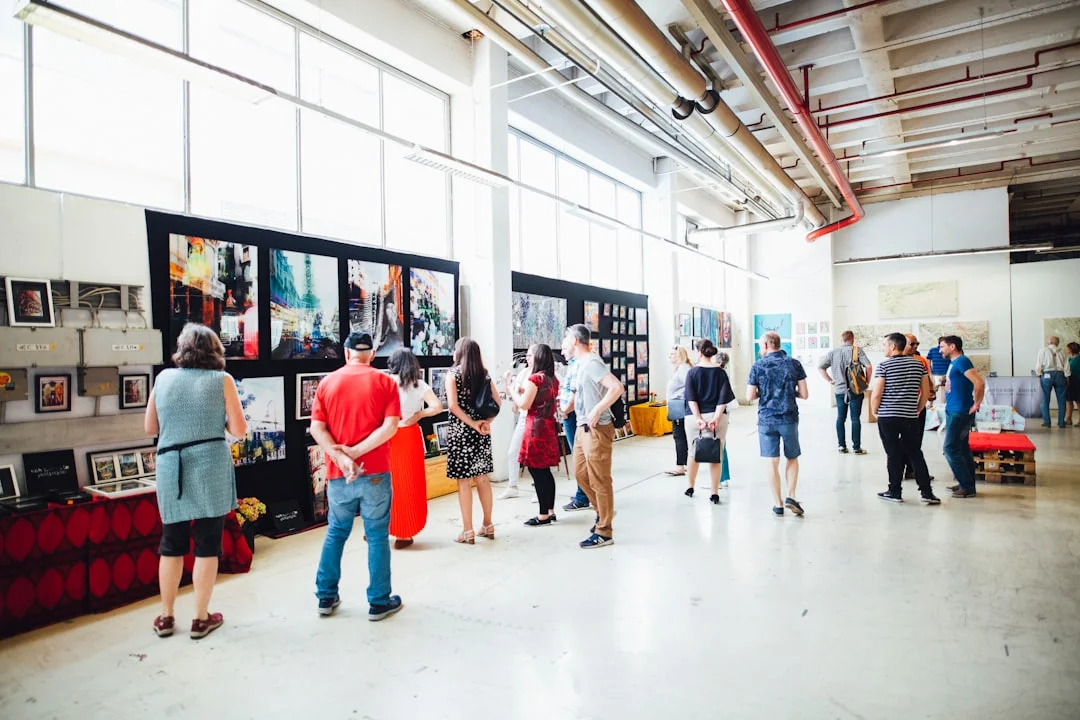
Photo by Markus Spiske on Unsplash
- A. Brockie Stevenson: An American Vision
- Ghost in the Machine: Works by Timothy Makepeace
- Where Water Keeps Time: Graphite Drawings by Janis Goodman
- Susan Goldman: Prima Vista
- Bonnie Lautenberg: ARTISTICA! Where Hollywood Meets Art History
- Richard Dana: People, Places and Otherwise
- Gail Rebhan: What Questions Do We Ask?
This slate reflects AU’s commitment to a broad media spectrum, from drawing and painting to sculpture and mixed media, with a mix of established names and contemporary voices that engage with social, political, and cultural themes. The names themselves suggest a spectrum from landscape and portrait-focused practices to media-centered explorations of technology, perception, and memory. The seven-show compilation also demonstrates a calculated ambition to present a sustained, campus-wide cultural program through the summer. The list is publicly accessible on the museum’s Summer 2026 Exhibitions page, which confirms the exact titles and the opening date. (american.edu)
Opening reception and access
In addition to the public openings of the seven shows, AU Museum has scheduled a formal opening reception, reinforcing the community-facing dimension of the Summer 2026 cycle. The university calendar confirms an AU Museum Summer ’26 Opening Reception on Saturday, June 13, 2026, from 6:00 pm to 9:00 pm, at the AU Museum location in the Katzen Arts Center. The event page also notes the venue address: 4400 Massachusetts Avenue NW, Washington, DC 20016, a central location for DC-area visitors and campus visitors alike. This reception is part of the broader opening activities for the Summer ’26 cycle and is positioned to attract scholars, students, and the general public. The calendar page also lists the AU Museum’s contact information and event details, underscoring the university’s commitment to clear, accessible public programming and ongoing engagement opportunities beyond the opening night. (american.edu)
Location context matters: the AU Museum sits within the Katzen Arts Center, a major campus venue that hosts multiple galleries and programmatic spaces. The physical setting in northwest DC provides convenient access for residents, workers, and visitors to blend a museum visit with other cultural and dining experiences in the area. The three-story public museum designation and the sculpture garden emphasize the building’s role as a significant, accessible cultural resource in the city’s arts ecosystem. (american.edu)
Section 2 — Why It Matters
Broader impact on the DC arts ecosystem
The Summer 2026 Exhibitions cycle at American University Museum is more than a campus event; it has implications for the DC arts scene and the way university museums contribute to regional cultural life. First, the scale of a seven-exhibition slate, anchored by a large public program, signals an intent to transform a single academic space into a multi-faceted cultural hub during the summer months. The open public access model—typical of AU Museum—has a broader relevance for neighborhood and city galleries that rely on cross-institution collaborations and shared audiences. The museum’s own description emphasizes its role as a public institution that presents rotating exhibitions with a global reach while foregrounding Washington, DC’s local art history. This dual focus—global reach with local grounding—positions the Summer 2026 cycle as a reference point for other institutions seeking to calibrate programming to both academic audiences and city-wide audiences. (american.edu)
Second, the lineup’s mix—ranging from work that engages with visual and material culture to pieces that intersect with media and technology—reflects ongoing market and audience interest in cross-disciplinary and cross-media approaches. The presence of titles like Ghost in the Machine and the inclusion of artists who work in media beyond traditional painting or sculpture suggest a curatorial strategy tuned to contemporary expectations around technology’s role in art and the public’s appetite for such conversations. While the museum does not disclose in this brief exactly how each show will be presented, the very framing of a show titled Ghost in the Machine signals an intent to engage viewers with questions about machine learning, automation, or computational aesthetics in a manner suitable for a public, non-specialist audience. This is consistent with broader museum trends toward accessible, data-informed programming that invites diverse audiences to interpret technology-embedded artworks. (american.edu)
Third, AU’s public-museum identity—three stories tall, connected to a sculpture garden, and integrated with Alper Initiative for Washington Art—underscores the university’s obligation to serve as a cultural anchor within the District. The Alper Initiative’s presence within the museum’s ecosystem emphasizes a local-focus research and display program that complements the rotating exhibitions. This integration supports a broader goal of linking scholarly inquiry with public access, a combination that can influence teaching, cross-disciplinary collaboration, and local arts funding conversations. For readers tracking how university museums contribute to market and policy discussions around arts funding and public programming, the AU model offers a concrete case study of how to balance scholarship, public access, and market relevance. (american.edu)
Who is affected and what this means for readers
The Summer 2026 Exhibitions cycle touches multiple stakeholder groups:
- Students and faculty: AU’s museum programming is a direct educational resource, offering opportunities for study, research, and collaboration with visiting artists and curators. The rotating exhibitions align with academic cycles and can inspire coursework, student-led programming, and gallery-based research.
- Local arts professionals: The DC area’s artists, art writers, curators, and gallery workers stand to gain through collaboration, artist talks, and possible shared programming with other institutions in the region.
- General public and visitors: With a public reception on opening night and ongoing exhibitions, the museum lowers barriers to access and fosters lifelong learning for residents and visitors who may not have regular engagement with contemporary art.
- Students and the community beyond AU: Because the AU Museum operates within a public university setting, its programming is accessible to a broader audience, which can strengthen the city’s cultural fabric by providing high-quality exhibitions in a walkable, metro-accessible location. The university’s own materials emphasize the public nature of the museum and its place within the regional arts ecosystem. (american.edu)
Technology, engagement, and the evolving museum audience
While the Summer 2026 Exhibitions page lists the exhibitions by title, the inclusion of works that signal engagement with technology and media—such as Ghost in the Machine—underscores a broader trend across museum practice: audiences now expect more than passive viewing. They want accessible explanations, contextual materials, and, where possible, interactive or digital components that deepen understanding without creating barriers to entry. The AU Museum’s strategic emphasis on rotating exhibitions that bridge global perspectives with Washington, DC’s local art history aligns with the market demand for experiences that are both educational and broadly engaging. The museum’s public-facing communication—opening dates, exhibition titles, and programming calendars—also demonstrates a commitment to transparency and audience segmentation, which are critical in an era of information overload and crowded cultural calendars. (american.edu)
Section 3 — What’s Next
Timeline, next steps, and key milestones
Looking ahead, readers can anticipate a structured sequence of events around the Summer 2026 Exhibitions cycle:
- June 13, 2026: Official opening of the Summer ’26 cycle with a public reception, the seven-show slate, and the Katzen Arts Center’s public programming calendar in full operation. The event is designed to bring in campus communities as well as external visitors to engage with contemporary art in a university setting. (american.edu)
- Summer 2026: Continuation of exhibitions, with ongoing gallery hours, artist talks, tours, and related programming designed to broaden access and deepen engagement with the works on display. The Summer ’26 page confirms ongoing exhibition programming, though exact end dates may be announced closer to the summer season’s conclusion. AU’s public communications emphasize keeping audiences informed about events and programs through the museum’s channels. (american.edu)
- Ongoing updates: AU invites audiences to sign up for its mailing list to receive details on exhibitions and events, reinforcing a data-driven approach to audience engagement by delivering targeted information to interested readers. This contact-steered approach is typical of institutions seeking to maximize attendance and participation in a busy cultural season. (american.edu)
What to watch for and how to stay informed
Given the scale of the Summer 2026 Exhibitions cycle, readers and stakeholders should monitor several channels for updates:
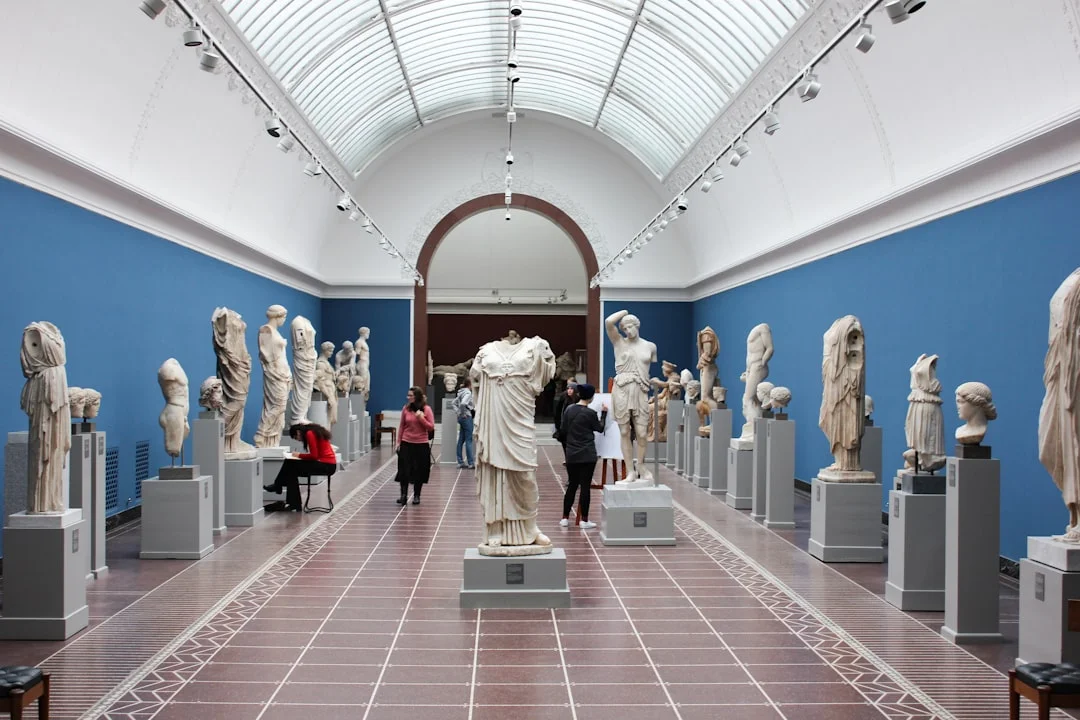
Photo by Elizabeth George on Unsplash
- AU Museum website and the Summer 2026 Exhibitions page: This page will carry the definitive list of works, any changes to dates, and additional context for each show. The page is the primary source for official information and is updated as necessary to reflect programming changes. (american.edu)
- AU University events calendar: The university calendar is an authoritative resource for opening receptions, panel discussions, and other public programs tied to the Summer ’26 cycle. The June 13 opening reception is an example of the kind of event that may be repeated or expanded throughout the summer. (american.edu)
- Plan Your Visit and mailing-list sign-ups: For readers who want timely reminders and curated invitations to talks or tours, the museum’s plan-your-visit and mailing-list options provide direct channels for ongoing engagement. These options are clearly presented on AU’s museum pages and event listings. (american.edu)
Conclusion The American University Museum Summer 2026 Exhibitions mark a deliberate and well-communicated re-entry into a robust cycle of public programming. Opening June 13, 2026, with seven distinct exhibitions—A. Brockie Stevenson: An American Vision; Ghost in the Machine: Works by Timothy Makepeace; Where Water Keeps Time: Graphite Drawings by Janis Goodman; Susan Goldman: Prima Vista; Bonnie Lautenberg: ARTISTICA! Where Hollywood Meets Art History; Richard Dana: People, Places and Otherwise; Gail Rebhan: What Questions Do We Ask?—the cycle signals AU’s ongoing commitment to presenting contemporary art in a university setting, accessible to a broad audience and anchored by a clear, data-informed communications approach. The public opening reception on June 13, 2026, from 6:00 to 9:00 pm, at 4400 Massachusetts Avenue NW, situates the museum as a central node in DC’s summer arts itinerary and reinforces its role as a vital educational and cultural partner for the District. Readers seeking to understand how university museums contribute to the city’s cultural and economic ecosystem—and how these institutions are leveraging technology, media, and public engagement to expand their reach—will find a compelling, data-driven case study in AU’s Summer 2026 Exhibitions cycle. To stay updated, follow the AU Museum’s official channels and sign up for the museum’s mailing list to receive announcements about exhibitions and related events. (american.edu)
Official sources confirm the June 13, 2026 reopening, seven exhibitions, and the opening reception details; the AU Museum is described as a three-story public museum and sculpture garden, strengthening its role in the DC arts ecosystem. Readers can verify full exhibition titles and event dates on the AU Museum site and the university calendar.