America250 DC cultural programming 2026: Center Stage in DC
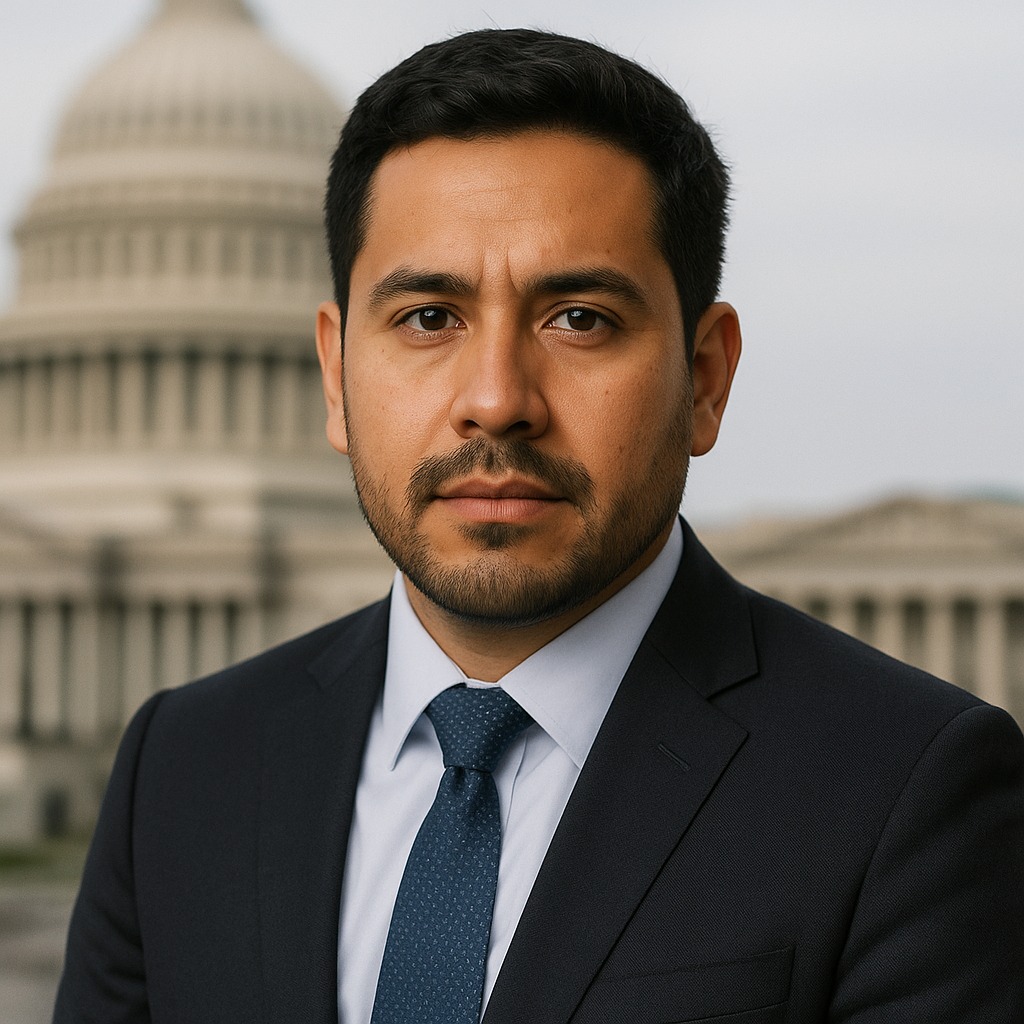

Washington, DC is set to play a defining role in America250 DC cultural programming 2026, a nationwide, yearlong observance designed to mark the United States’ semiquincentennial. As the clock ticks toward July 4, 2026, city authorities, cultural institutions, and national coordinating bodies are aligning a slate of programs, performances, and exhibitions across the District. The aim is not only to celebrate but to deepen public engagement with American history through technology-enabled storytelling, museum partnerships, and large-scale public events. In DC, that effort is unfolding in ways that blend national ambitions with local culture, infrastructure, and economic considerations. The plan, supported by America250 and city partners, envisions a yearlong cadence of activity that will culminate in a high-profile July 4 celebration and a broader month-long festival on the National Mall, among other initiatives. This coverage draws on official program outlines, city and industry announcements, and independent analyses to provide a data-informed snapshot of what is happening, why it matters, and what comes next for residents, visitors, and local businesses. (washington.org)
The national American anniversary calendar centers Washington, DC as a focal point for national storytelling and public programming in 2026. The DC footprint of America250 is being shaped by a coordinated set of activations—from high-visibility outdoor spectacles to museum-centered experiences—that are designed to attract visitors from across the country while highlighting the capital’s cultural institutions. The District’s role is not just ceremonial; it is anchored in observable plans for dates, venues, and audience access. For example, city-facing announcements describe a July 4 fireworks finale, a two-day Pennsylvania Avenue celebration, and a month-long festival on the National Mall, reinforcing DC’s position as “center stage” for the national celebration. The combination of federal and local support, along with partnerships with cultural organizations, is expected to yield measurable benefits in tourism, hospitality, and cultural production in 2026. (washington.org)
The year’s kickoff is already visible in DC’s public-facing countdown to 2026. Projections on the Washington Monument and other landmark visuals have been widely reported as part of the opening acts for America250’s yearlong calendar. Space and news outlets documented a New Year’s Eve 2025 event that projected “America 250” imagery onto the monument, signaling the formal start of the semiquincentennial observance in the capital and beyond. While this event was organized as a nationwide prelude, the Washington, DC, scene is expected to incorporate similar, district-focused programming alongside the national framework. This latest wave of DC-specific activations is complemented by the involvement of local museums and cultural centers planning spring 2026 programming, including the National Gallery of Art and other institutions that will feature exhibitions and programs aligned with America250’s themes. (space.com)
The collaboration between national organizers and DC’s cultural ecosystem is already producing a dense matrix of opportunities for residents, students, and visitors. The National Gallery of Art, for instance, announced an array of America250-related programs for spring 2026, underscoring a museum-centered approach to the semiquincentennial that emphasizes American artists, movements, and historical narratives. The gallery’s plan is to place emphasis on the nation’s artistic narrative as part of the broader commemorative program, with a focus on accessibility and public programming that can scale across audiences. This fits within America250’s broader strategy of broad-based participation through multiple venues and channels. (nga.gov)
The broader DC-cultural programming plan has been framed by national and regional tourism and economic development authorities. For example, the DC-area tourism ecosystem has highlighted the city’s pivotal role in the national celebration, detailing a yearlong schedule that features major public events in key venues and neighborhoods. The city’s approach is to coordinate with national partners to ensure a coherent visitor experience, while still allowing for local flavor and community-led initiatives. The collaboration is expected to support local hospitality, food and beverage sectors, transportation networks, and small businesses that serve on-ramps for visitors arriving for America250 events. (washington.org)
Section 1: What Happened
Announcement Overview
DC Named Center Stage for America’s 250th Celebration
In 2026, Washington, DC will host a year of programming as part of America250, the national semiquincentennial effort established by Congress. The District’s prominence as a symbolic capital for the nation makes it a natural focal point for national celebrations, with organizers emphasizing a high-visibility footprint across official venues, cultural institutions, and public spaces. The DC plan leverages a mix of ceremonies, exhibitions, performances, and experiences designed to engage diverse audiences and to position DC as a living classroom for the story of the United States. This national framework, which includes a formal invitation to cities like DC to participate in a national calendar, is supported by the Semiquincentennial Commission and America250’s organizational partners. (america250.org)
Timeline and Key Dates: A Yearlong Cadence
The programmatic calendar is built around a rhythm of signature dates and thematic windows. The year kicks off with nationwide and local kickoffs around New Year’s Eve 2025 into January 2026, including monumental public displays and storytelling initiatives that have already previewed what’s to come in DC. The DC calendar then stretches through spring and summer 2026, culminating in a July 4, 2026 centerpiece. The national plan calls for a multi-week or multi-month festival on the National Mall and a two-day celebration on Pennsylvania Avenue, supported by fireworks and a range of partner activities across the city. The official schedule, while subject to final approvals and logistical refinements, has been described by DC tourism authorities as a “center stage” moment for the national observance. (space.com)
Public-Private Partnerships and Program Mix
America250 emphasizes a partnership model that includes federal coordination, state and city participation, and collaboration with cultural institutions, museums, media companies, and nonprofit organizations. The plan explicitly includes a slate of public-facing activations across multiple venues while preserving opportunities for local groups to contribute their own programming aligned with national themes. The organization’s published materials highlight a combination of major national activations and community-facing projects designed to maximize reach and inclusivity. The partnership composition includes, among others, cultural institutions in the DC region and national networks that will help deliver content to a broad audience. (america250.org)
Detailed Program Elements and Venues
Museum and Gallery-Focused Exhibitions
A prominent thrust of America250 DC cultural programming 2026 is the integration of large museums and galleries into the commemorative calendar. The National Gallery of Art has signaled a spring-to-summer 2026 program slate that will anchor national conversations in American art and history, providing a curated counterpoint to public spectacles. Museums are expected to host collaborations, artist commissions, and educational programs designed to illuminate the democratic arc of American history through visual culture, architecture, and design. This museum-centered approach complements outdoor festivities and civic ceremonies, offering a durable, indoors-outdoor complement to the city’s public offerings. (nga.gov)
Civic and Cultural Venues: Public Spaces as Theaters
Public spaces in DC—National Mall, Pennsylvania Avenue, and other iconic sites—are positioned as the primary theaters for America250 DC cultural programming 2026. The city’s plan includes a month-long festival on the National Mall and a high-visibility two-day event on Pennsylvania Avenue as focal points for national attention. These spaces provide an accessible platform for citizens and visitors to engage with the nation’s story through performances, installations, and interactive experiences. The branding and logistics surrounding these venues will require careful coordination with local authorities, security services, and transportation planners to ensure safe and inclusive access. (washington.org)
Storytelling and Audience Engagement Initiatives
A central element of America250 DC cultural programming 2026 is storytelling at scale. National initiatives like “Our American Story”—a nationwide storytelling tour with rolling installations—will intersect with DC’s public programming to create a layered narrative across communities. The touring elements are designed to surface personal histories, regional narratives, and civic memory, complementing DC’s museums and cultural venues with a more participatory, citizen-led dimension. While the touring program operates nationwide, its DC footprint is expected to feed into local storytelling events, school partnerships, and community projects. (wdtv.com)
Key Players and Funding Context
National Coordination and Local Collaboration
America250’s national framework relies on a bipartite model: a congressionally established commission and the nonprofit entity America250.org that coordinates national programming and fundraising efforts. DC’s participation is being shaped through formal channels with city agencies, cultural institutions, and industry partners. The collaboration is designed to align the District’s offerings with the national calendar while allowing space for local priorities and community-led initiatives. The aim is to present a unified narrative without sacrificing local authenticity. (america250.org)
Signposts on Funding and Policy
Public funding and private-sector support are critical to delivering the scale of America250 programming. Documents and public reports indicate a multi-year funding plan with congressionally appropriated resources and philanthropic contributions intended to finance major activations, with ongoing discussions about allocation and oversight. A federal planning document outlines the framework for 2024–2026 investments and events, including the July 4 activations and related public programs. Readers should note that funding discussions and allocations may evolve as the year progresses, and observers should watch for official updates from government and America250 outlets. (america250.org)
Local Newsrooms and Public Media Partnerships
As DC-specific programming takes shape, local outlets and national media partners are expected to provide coverage, live broadcasts, and documentary content that chronicles the evolution of America250 DC cultural programming 2026. The partnership approach aims to deliver timely, accurate information about event schedules, safety protocols, accessibility options, and ticketing or registration details as they become available. This is particularly important given the scale of public events planned for late spring through summer 2026. (dc250.us)
Section 2: Why It Matters
Economic and Tourism Impacts for DC
A Big Year for Hospitality and Local Businesses
The America250 DC cultural programming 2026 initiative is positioned to generate substantial economic activity by drawing domestic and international visitors to the District. Events hosted in landmark venues and public spaces can stimulate hotel occupancy, restaurant activity, transportation demand, and retail sales. The city’s capacity to host large-scale public events hinges on coordinated planning across transit agencies, event security, crowd management, and city services. The expectation is that a coordinated DC calendar will contribute to a broader regional tourism surge linked to the national semiquincentennial framing. While concrete economic projections vary by event and venue, experts anticipate meaningful incremental spending in the hospitality and services sectors during peak periods of the DC program. (washington.org)
Cultural Access and Education
Beyond economic effects, America250 DC cultural programming 2026 is framed as an educational opportunity. Museums, galleries, and civic venues can leverage the year to broaden access to historical content, offer fresh interpretive experiences, and foster dialogue about democracy, innovation, and shared heritage. The National Gallery of Art’s spring 2026 programming, for example, highlights a commitment to accessible programming that reaches diverse audiences while connecting art to the nation’s historical narrative. When museums collaborate with national storytelling efforts, the result can be a more nuanced, multi-faceted portrayal of American history that resonates with students, families, and lifelong learners. (nga.gov)
Public-Private Partnerships and Civic Pride
America250’s DC footprint emphasizes partnerships that harness private-sector support and philanthropic engagement to broaden outreach and reduce the risk of access barriers. The involvement of organizations such as the American Legion—and its stated collaboration around related activities—illustrates a broad coalition approach intended to unify various constituencies around a shared national milestone. Public-private collaboration in Washington, DC, has precedent for large-scale cultural programming, and the 2026 plan seeks to extend that model into a high-visibility, nationally significant celebration. (legion.org)
Public Discourse, Oversight, and Equity
Balancing National Ambition with Local Realities
As with any large, multi-venue celebration, the DC program must balance national storytelling with local contexts and equity considerations. Community access to programming, language accessibility, and inclusive participation will be essential to the success of America250 DC cultural programming 2026. Critics and observers will watch for how programs address underserved communities, transportation equity, and opportunities for small, local organizations to contribute to the national narrative. The national planning documents emphasize inclusivity and broad-based participation, but the real-world implementation will hinge on local execution and ongoing stakeholder engagement. (america250.org)
Funding Transparency and Accountability
Public attention on funding, accountability, and governance is heightened during commemorative eras. The federal planning documents describe a funding framework that includes Congress-approved allocations, with oversight requirements and milestones that officials are expected to meet. As the year progresses, observers will look for budgetary transparency, progress updates, and annual reporting from America250 and its partner agencies. The ongoing public records and annual reports provide a baseline for understanding how funds are deployed for DC-based programs and whether allocations align with stated goals for accessibility and impact. (public-inspection.federalregister.gov)
National Context and DC’s Role in a Broader Narrative
The Nation’s Capital as a Symbolic and Practical Hub
America250’s planning framework recognizes the symbolic significance of Washington, DC, as the nation’s capital and a living laboratory for American history. The city’s museums, monuments, and cultural infrastructure give national programs a ready-made ecosystem for large-scale public engagement. At the same time, the District’s governance and public services must coordinate with federal organizers to ensure safety, accessibility, and smooth logistics for millions of visitors. The DC plan’s emphasis on a two-day Pennsylvania Avenue celebration and a month-long National Mall festival aligns with national expectations for a capital-city centerpiece that can help translate national memory into daily civic life. (washington.org)
Media Narratives and Public Perception
Media coverage of America250’s DC activities will shape public perception of the semiquincentennial in the District. The converging themes—historic commemoration, technological storytelling, and culturally inclusive programming—have the potential to broaden reach beyond traditional museum-goers and event-goers. The DC experience, documented through official releases and independent reporting, will influence how residents and visitors understand the 250th anniversary and how DC positions itself in the national cultural economy of 2026. (dc250.us)
What It Means for Washington, DC Residents
Access and Participation Opportunities
For DC residents, America250 DC cultural programming 2026 could offer new opportunities to engage with American history in interactive, technology-enhanced, and community-driven formats. Programs anchored in key institutions may offer free or low-cost access windows, expanded hours, and family-friendly experiences designed to maximize participation. While specific ticketing and admission policies will play out in the coming months, the expectation is that multiple venues will implement inclusive access approaches to ensure broad engagement. (nga.gov)
Education and K-12 Alignment
Educators and schools may find alignment between America250 DC cultural programming 2026 and classroom learning objectives. The storytelling format, in particular, can complement history, civics, and arts curricula by providing contemporary, local perspectives on national narratives. Partnerships between schools and cultural institutions could yield field trips, virtual programs, and classroom resources that tie to state standards and national standards for social studies and arts education. (wdtv.com)
Section 3: What’s Next
Upcoming Milestones and Near-Term Developments
Spring 2026: Museum and Gallery Initiatives Take Shape
As spring 2026 approaches, major DC institutions will likely roll out curatorial projects, artist commissions, and public programs linked to America250. Museums such as the National Gallery of Art are expected to publish schedules and program details, enabling educators, families, and cultural enthusiasts to plan around key exhibitions and performances. These efforts will be integrated into the national storytelling framework to ensure a cohesive, multi-venue experience for visitors traveling through the District. (nga.gov)
Summer 2026: National Mall Festival and City-Wwide Activations
The national plan calls for a month-long festival on the National Mall and a two-day celebration on Pennsylvania Avenue, with fireworks on July 4, 2026. City agencies, venue operators, and event organizers will coordinate logistics for large-scale outdoor events, safety protocols, crowd management, and accessibility. The DC-specific calendar will be synchronized with national activations to deliver a unified experience that reflects the semiquincentennial’s themes of democracy, innovation, and shared heritage. Observers will watch for official confirmations of dates, security arrangements, and transportation planning as the events draw nearer. (washington.org)
July 4, 2026: National Celebration Highlights
July 4, 2026 is slated to be a centerpiece date in the America250 calendar, with DC expected to host prominent fireworks displays, ceremonial activities, and public programming designed to engage millions of people. While the exact configurations may evolve, the national and local plans converge on a high-visibility, publicly accessible celebration designed to showcase the nation’s story through a blend of tradition and innovation. Observers should monitor official channels for the final schedules and safety advisories as the date approaches. (washington.org)
Ongoing Public-Private Partnerships and Community Engagement
In the months ahead, expect the continuation of cross-sector partnerships, community grants, and volunteer initiatives linked to America250’s broader aim of nationwide civic engagement. The “America Gives” initiative, for example, has been highlighted as a central mobilization effort to encourage service and participation across communities in 2026. DC communities may be invited to participate through local volunteer opportunities, school programs, and neighborhood events that connect the national narrative with local action.
What DC Residents and Businesses Should Do Now
Stay Informed Through Official Channels
Residents and local businesses should follow official America250 channels and DC cultural institutions for the most up-to-date event calendars, access options, and safety guidance. Given the scale and complexity of the program, event details, ticketing, and venues may be adjusted as logistical considerations are resolved. The best-practice approach is to subscribe to official newsletters, follow partner institutions on social media, and participate in community forums when available. (america250.org)
Prepare for Travel, Lodging, and Mobility Needs
With a year-long slate of activities concentrated in spring, summer, and fall 2026, planning for lodging and transportation early is prudent. DC’s hospitality sector is expected to benefit from elevated demand during peak periods, and travelers will need to coordinate with transit authorities and venue operators regarding schedules, security procedures, and accessibility arrangements. Industry commentary and hotel-related coverage in national outlets point to a robust opportunity set for the District’s tourism economy in 2026, albeit with the inevitable need for coordination around large-scale public events. (forbes.com)
Education and Civic Engagement Highlights for Schools
Educators should anticipate cross-institutional programming that aligns with social studies and arts standards, offering students opportunities to engage with history through exhibitions, storytelling, and hands-on projects. The DC framework, which integrates museum-based programs with public events, provides pathways for classroom visits, virtual programming, and collaborative projects that connect local histories to national narratives. Schools that align with America250’s themes can leverage this moment to bring debates about democracy, culture, and innovation into the classroom. (nga.gov)
Closing
America250 DC cultural programming 2026 marks a pivotal moment for the District as it participates in a nationwide semiquincentennial celebration. The DC footprint aims to balance awe-inspiring public spectacles with sustained educational experiences, ensuring that residents can participate meaningfully in a yearlong dialogue about the nation’s past, present, and future. As city agencies release schedules and partners finalize programs, DC observers should expect a carefully choreographed blend of monumental events and intimate, community-driven activities that reflect both national ambitions and local realities. The overarching narrative—center stage for America’s 250th—holds promise for expanding cultural access, boosting tourism, and enriching public discourse around democracy, innovation, and shared heritage. For readers seeking updates, the best course is to track official America250 communications and the DC cultural institutions’ announcements, which will provide the most timely and accurate information as plans evolve through 2026. (washington.org)
In sum, America250 DC cultural programming 2026 is not a single event but a yearlong ecosystem of programming that leverages Washington, DC’s museums, venues, and public spaces to tell the nation’s story in dynamic, inclusive ways. The District’s role in this national moment reflects a careful balance of visibility, accessibility, and local relevance, anchored by a structured calendar of activities and a commitment to engaging diverse audiences in meaningful ways. As the year unfolds, observers and participants alike will be watching for how DC translates national symbolism into everyday cultural experiences, how partnerships translate into durable programming, and how the city uses technology and storytelling to illuminate the American narrative for a new generation. (america250.org)