National Guard Deployment in Washington, DC: Update
Neutral, data-driven analysis of the National Guard deployment in Washington, DC and its implications for safety, policy, and markets.
By Julio Sandoval
July 18, 2026
10 minute read
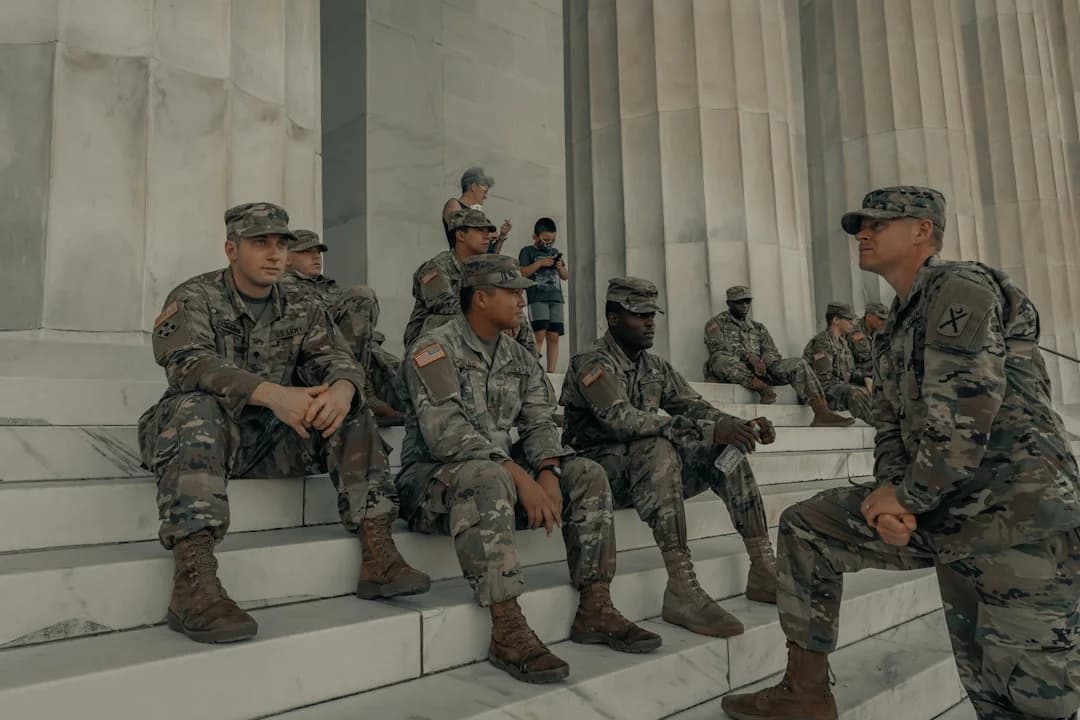
Washington, DC, is again the center of a nationwide security conversation as the National Guard deployment in Washington, DC extends into 2029. On July 15, 2026, the Department of Defense publicly confirmed that Joint Task Force–District of Columbia would maintain a visible security presence across the capital through Inauguration Day, January 20, 2029. The decision, renewed after a multi-year effort that began in 2025, reflects a broader federal-state coordination framework designed to support local law enforcement and public safety during high-profile events, while preserving public life in the nation’s capital. For residents, workers, and visitors, the extension means a continued, visible security footprint in districts ranging from downtown corridors to municipal spaces and corridors around major monuments. The move matters not only for safety planning but also for how federal and local authorities coordinate, communicate, and deploy technology and services that touch the capital’s public sphere. This National Guard deployment in Washington, DC continues to be framed within a policy context that emphasizes public safety, orderly civic life, and transparent engagement with civilian authorities, under the umbrella of the Safe and Beautiful mission that guides both planning and operations. (nbcwashington.com)
This development comes with multiple moving parts, from troop counts and operational lanes to legal challenges and budget considerations. As of early 2026, the Joint Task Force–DC reported a substantial, sustained footprint, with thousands of Guard personnel deployed in the capital under Title 32 status to support federal and local partners. The size and composition of the force have fluctuated with evolving mission needs, event calendars, and court decisions clarifying the scope of uniformed federal support for local public safety. In Washington, the mission has repeatedly been described as a partnership between federal military forces and District agencies, aimed at securing public spaces, enabling critical infrastructure, and maintaining public confidence in the capital city’s functioning during a period of heightened security vigilance. The latest updates indicate a long-term horizon for the deployment, underscoring the need for ongoing planning, community engagement, and transparent reporting about the role of military support in civil society. (washingtonpost.com)
Section 1: What Happened
Timeline of deployments
The National Guard’s presence in Washington, DC did not emerge from a single decision but from a sequence of policy actions and legal authorizations spanning 2025–2026. In August 2025, President Trump announced an executive action to mobilize federal resources in the capital in response to a homicide and crime-emergency scenario reported by city and federal officials, which propelled a national debate about the Guard’s role in local policing. The move initiated a prolonged Guard deployment in DC that would become a defining element of federal-local collaboration in the capital. This sequence culminated in a formal extension and formalization of the mission through 2026 and beyond as courts weighed in on the legality and scope of such deployments. The Washington Post, The Daily Beast, Time magazine, and Associated Press coverage across late 2025 to mid-2026 detail the evolution of that policy and its practical implications for DC’s security posture. (apnews.com)
In late 2025 and early 2026, the Pentagon and White House affirmed continued Guard involvement in DC, with officials describing the mission as a sustained public-safety operation rather than a temporary emergency measure. A January 2026 Defense Department update highlighted roughly 800 Guardsmen mobilized in the district under Title 32 status to support federal and local law enforcement operations as part of the Safe and Beautiful mission framework. Subsequent reporting through 2026 confirmed that thousands of Guard personnel remained assigned to the DC mission, under Joint Task Force–DC, coordinating with civilian agencies to address safety, urban management, and critical infrastructure needs. (defense.gov)
By mid-July 2026, multiple outlets reported that the extended deployment would carry through Inauguration Day 2029, alongside continued operational coordination with the District of Columbia National Guard and federal partners. NBC4 Washington characterized the extension as a formal, long-term commitment, while The Washington Post and other outlets documented the operational realities, including troop counts and the evolving mission scope. The extension reflects not only security considerations but also the political and legal entrenchment of the DC mission as a case study in federal-state collaboration on urban security. (nbcwashington.com)
Key players and announcements
Several actors have been central to the National Guard deployment in Washington, DC. The Joint Task Force–District of Columbia (JTF-DC) serves as the enabling arm of the mission, orchestrating the use of guard resources in alignment with civilian authorities and the “Safe and Beautiful” program. Official DC National Guard releases over the past year have highlighted JTF-DC’s role in coordinating public-safety operations, security presence, and public engagement, emphasizing transparent coordination with District agencies and the public. These statements underscore a governance model that seeks to balance visible security with respect for civil liberties and local governance. The DC National Guard public affairs office and JTF-DC pages offer ongoing updates about personnel, patrol patterns, and the mission’s public-facing posture. (dc.ng.mil)
Federal and local government voices have framed the extension as essential to maintaining order around major events and in the wake of incidents that preceded the 2026 timeline. In early 2026, March and January briefings from the Pentagon and White House reiterated the ongoing need for support to DC law enforcement and municipal services, noting that Guard resources would remain deployed to assist with crowd management, access control, and critical infrastructure protection. The Washington Post and AP News have reported on these clarifications and the legal-constitutional questions surrounding federal deployment in a capital city that does not have a local governor, with the DC National Guard reporting and court filings illustrating the evolving legal framework. (washingtonpost.com)
Legal context and court actions have influenced how long the deployment can continue and under what conditions. District of Columbia courts and state-level authorities have engaged in legal challenges and settlements related to jurisdiction, civil liberties, and the scope of federal assistance to local security operations. An official District of Columbia legal document outlines the procedural context and ongoing considerations, illustrating how the city has navigated questions about administrative procedure and federal involvement in its public-safety framework. Lawyers, policymakers, and security analysts have discussed the implications for both constitutional balance and city governance as the deployment extends through 2029. (oag.dc.gov)
Notable operational details and programmatic context
The DC National Guard has publicly described the mission as part of a broader “Safe and Beautiful” initiative designed to coordinate federal civilian support with District security agencies while improving public safety and public spaces. This framing emphasizes a balanced approach—protecting people and spaces while enabling civic life, tourism, and economic activity. Additionally, the DC Guard’s public-facing materials describe Joint Task Force–DC as the central hub aligning national resources with local needs, ensuring that federal support aligns with civilian authorities’ priorities. The presence is not merely symbolic; it includes real-time coordination, security patrols, and specialized capabilities such as maritime security in some units, reflecting a technological and operational modernization of urban security tasks. (dc.ng.mil)
Section 2: Why It Matters
Public safety, civilian impact, and daily life
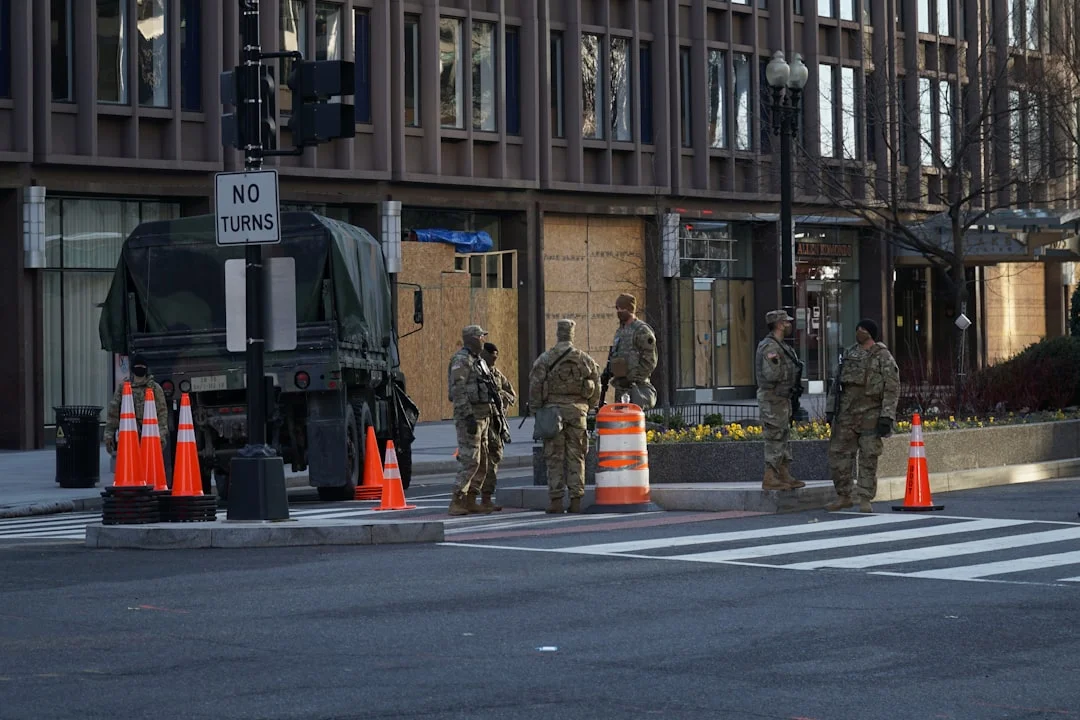
Photo by Ian Hutchinson on Unsplash
For residents and visitors, the National Guard deployment in Washington, DC translates into a sustained security presence in the city’s core corridors, around federal buildings, and near major public gatherings. The government and DCNG communications emphasize that the mission supports public safety while preserving the rhythms of daily city life. The presence is designed to deter threats, facilitate rapid response to incidents, and provide visible reassurance to the public and to businesses operating in the capital. The security posture has immediate implications for traffic, event planning, tourism, and the operations of local businesses, all of which weigh into decisions about staffing, opening hours, and safety protocols for large-scale events and presidential-related activities. (dc.ng.mil)
Legal and civil-liberties considerations remain a constant undercurrent. The DC government and legal scholars have scrutinized the deployment’s alignment with constitutional norms and the Administrative Procedure Act, particularly given the unique status of DC’s local governance and the federalization of security operations within the district. The ongoing legal discourse suggests a cautious balance between security mandates and civil rights protections, a balance that continues to shape public messaging, court briefings, and policy reviews. The ongoing court actions and district-level documents provide a window into how policy is being translated into practice on the streets of Washington. (oag.dc.gov)
Economic and technology implications
From a technology and market-trends perspective, the DC Guard mission is accelerating the adoption of integrated public-safety tools and cross-agency data sharing. The joint operation model requires secure communications, standardized data exchange, and interoperable equipment across federal and local partners. The deployment has coincided with the introduction of new capabilities and platforms, including specialized maritime security vessels for the DC area, demonstrating how the Guard’s portfolio is expanding beyond land-based presence into multi-modal security operations. The rollout of these capabilities in the capital not only supports immediate public-safety needs but also acts as a test case for further commercialization of interoperable security technologies and services in a high-visibility urban environment. (nationalguard.mil)
Market stakeholders—ranging from defense contractors to local technology vendors—are watching the DC deployment as a bellwether for the adoption of mission-critical technologies under civilian-mederal partnerships. The presence of dedicated task forces, public-safety patrols, and coordinated operations offers a real-world case study in how security tech investments translate into measurable outcomes for urban safety, emergency response, and public confidence. The DC Guard’s public materials highlight ongoing collaboration with civilian agencies and the broader objective of maintaining the capital’s function as the nation’s political, economic, and cultural hub. This collaboration is likely to influence procurement strategies, vendor selection, and the development of next-generation urban security solutions. (dc.ng.mil)
Public policy and civil-society implications
The national decision to extend the DC Guard mission has ramifications beyond security, touching on governance, accountability, and democratic norms. The ongoing dialogue across federal and local levels—paired with court involvement and citizen oversight—emphasizes governance transparency and the necessity of clear, accessible updates about mission scope, resource allocation, and safeguards for civil liberties. The public conversation includes questions about the balance between security and civil rights, the appropriate role of the Guard in urban policing, and the long-term fiscal and social costs of extended deployments. Policymakers and observers will continue to assess how this model might inform future security strategies in DC and other urban centers facing similar security dynamics. (washingtonpost.com)
Section 3: What’s Next
Upcoming milestones and next steps
Looking ahead, the National Guard deployment in Washington, DC is positioned to continue through Inauguration Day 2029, with ongoing assessments of risk, event calendars, and legal considerations guiding daily operations. Public announcements and official briefings indicate a planning horizon that extends well beyond the next few months, with JTF-DC coordinating with District agencies to adjust patrol patterns, resource distribution, and mission priorities as events unfold. Readers should expect periodic updates on personnel levels, mission scope, and key policy statements from both the DC National Guard and the Defense Department, along with court decisions that affect the scope of federal support for local public safety operations. (nbcwashington.com)
What readers should watch for
Several indicators will signal how the deployment evolves:
- Troop counts and unit composition: The balance between Army National Guard and Air National Guard personnel, as well as the involvement of specialized units, will inform the operational tempo and capabilities on the ground. Washington Post reporting in early 2026 highlighted totals that can guide readers’ expectations about resource levels through 2029. (washingtonpost.com)
- Legal rulings and policy changes: Court decisions and executive actions that influence the authority and duration of federal support will shape the deployment’s trajectory. Legal documents from DC and federal courts will be relevant touchpoints for readers tracking civil-liberties implications. (oag.dc.gov)
- Technological capabilities: New platforms, such as maritime security vessels and enhanced command-and-control systems, will illustrate how the mission is modernizing urban security in the capital. The DC National Guard’s recent release about the first maritime-security vessel underscores these changes and signals where readers can expect continued tech investments. (nationalguard.mil)
- Public-safety outcomes and public sentiment: Local business activity, tourism trends, and residents’ comfort levels can serve as practical indicators of the deployment’s effectiveness and social impact. Ongoing public communications from DC officials and credible news organizations will offer data points on these outcomes. (nbcwashington.com)
Closing
As Washington, DC continues to navigate a prolonged National Guard deployment, the balance between security, civil liberties, and public life remains at the forefront of public discussion. The extension through 2029 places the capital at the center of a broader conversation about how federal resources can be mobilized to support local safety and public-order goals without undermining the city’s civilian governance framework. Readers can stay informed through official DC National Guard updates, Defense Department releases, and independent reporting from trusted news outlets that track troop levels, legal developments, and policy changes. In this evolving security landscape, data-driven analysis and transparent communication will be essential for understanding both the practical realities on the ground and the longer-term implications for governance, technology, and markets in the nation’s capital. (dc.ng.mil)
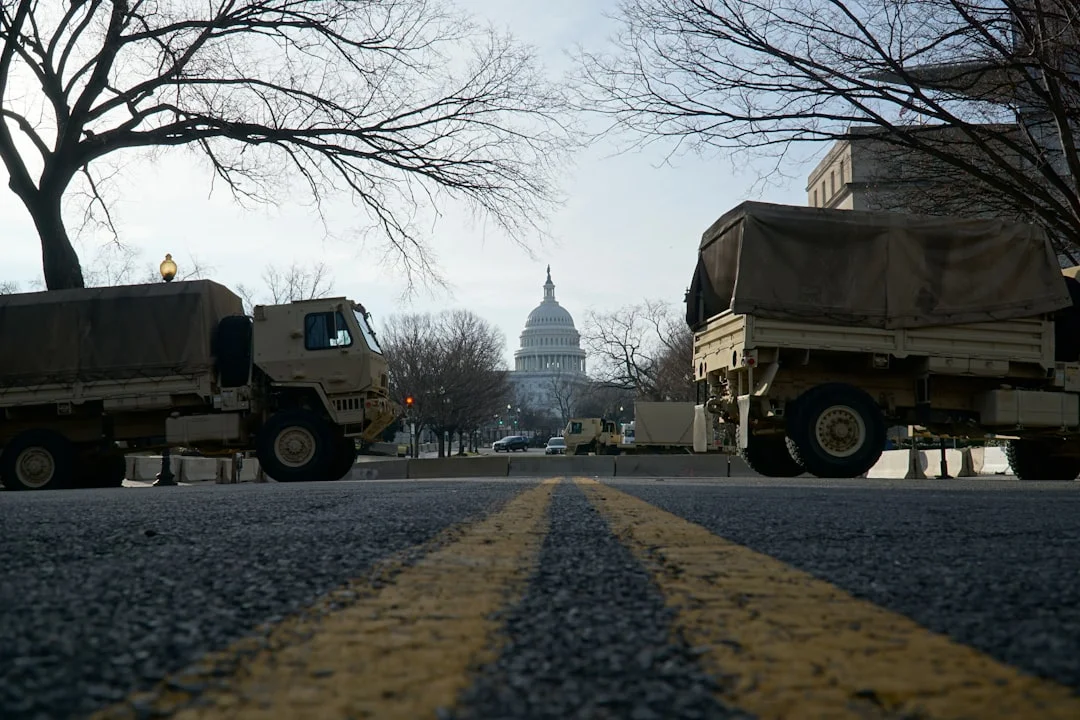
Photo by Ian Hutchinson on Unsplash