Hidden Rooftop Gardens and Skyline Viewpoints Washington DC
Explore a data-driven analysis of hidden rooftop gardens and skyline viewpoints in Washington DC, revealing their impact on local DC markets.
By Julio Sandoval

July 17, 2026
12 minute read
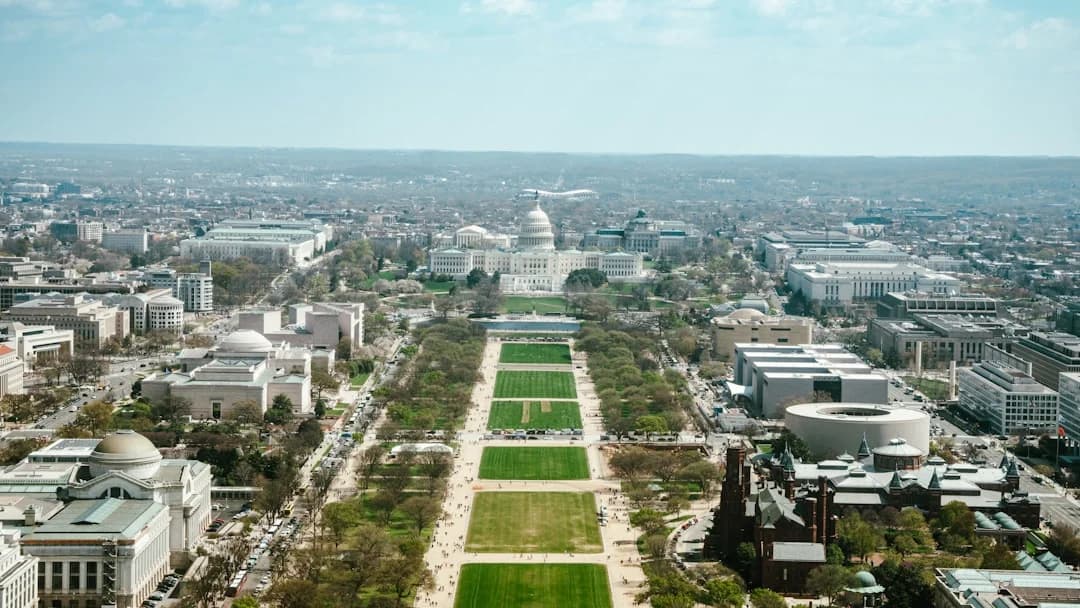
The District of Columbia Times arrives with a data-driven snapshot of a growing urban phenomenon in Washington DC: hidden rooftop gardens and skyline viewpoints. Public and private sector players are increasingly integrating gardened rooftop spaces and elevated vantage points into commercial districts, shaping property values, tenant experiences, and citywide branding. As the city’s skyline continues to evolve, observers are watching how these hidden and semi-hidden spaces influence everything from microclimates to pedestrian footfall. The trend is visible in high-profile downtown developments and in smaller rooftop ventures that quietly transform unused roof decks into productive green spaces and urban-tourism assets. For readers tracking technology-enabled sustainability, market dynamics, and the urban economy, the convergence of green roofs, urban farming, and public-facing skyline viewing points offers a distinctive lens on DC’s evolving built environment. This report combines on-the-ground observations with policy and market context to illuminate what’s happening, why it matters, and what may come next for property owners, policymakers, and residents. The news is not about a single project but about a pattern—one that blends horticulture, architecture, and data-driven management to reshape the city’s rooftop culture.
What Happened
Emergence of private rooftop spaces and green platforms Downtown DC has seen a notable uptick in rooftop spaces that blend horticulture with panoramic city views. Notable examples include a large, agriculture-focused rooftop at 800 17th Street NW, developed in partnership with private firms and designed for year-round use; the project has been described as a major urban agriculture space in the core of downtown Washington, DC. This kind of installation demonstrates a shift from purely ornamental rooftops to productive landscapes that can contribute to local food systems and provide attractive, climate-resilient spaces for tenants and visitors. The project’s public-facing narrative emphasizes productivity and urban farming potential, while still doubling as a dramatic vantage point for city views. The site’s public-facing materials highlight its scale and collaboration with major real estate and investment partners, illustrating how markets are rewarding rooftop spaces that deliver both ecological benefits and visible branding opportunities. While the exact operational metrics are not published here, the project is widely cited as one of the largest urban agriculture rooftops in the district, signaling a broader market tilt toward roof-as-resource ecosystems. (uptopacres.com)
Case studies shaping the narrative, from aesthetic to utility DC’s rooftop culture features several high-profile venues that illustrate the spectrum from private urban gardens to public-facing viewpoints. VUE Rooftop DC has positioned itself as a premier vantage point above the city, offering panoramic views that attract office tenants, residents, and visitors seeking a skyline-centric experience. The venue emphasizes the combination of elevated space, hospitality, and city scenery, underscoring how rooftop assets can contribute to property appeal and local tourism beyond traditional retail anchors. Public-facing rooftop viewpoints are also cited by regional tourism sources as key to experiencing the city’s skyline from different angles, illustrating a market dynamic where elevated spaces become a differentiator for districts and buildings. These examples help anchor the trend in tangible, existing assets that are accessible to the public or to tenants, reinforcing the role of rooftop spaces as strategic assets in DC’s commercial real estate landscape. (vuerooftopdc.com)
A broader mix: private rooftops, public access, and curated experiences Beyond the headline projects, DC features a variety of rooftop experiences, including hospitality-driven spaces on or near the skyline. Public-facing rooftop venues and seasonal events contribute to a perception of the city as a destination for both business and leisure. The presence of multiple rooftop options across different neighborhoods, including some that emphasize gardening, green infrastructure, and year-round usability, signals a market trend toward flexible, multi-use roof space that benefits building owners, operators, and communities. While not every project is a large-scale agricultural platform, many rooftops are designed to support horticultural activity, rainwater harvesting, and microclimate management—techniques that align with data-driven sustainability goals increasingly adopted by DC developers and property managers. Local industry coverage highlights that rooftop bars, gardens, and observation decks are now part of the standard toolbox for urban real estate strategies, rather than niche attractions. (washington.org)
Policy and regulatory context enabling rooftop greenery Washington DC has long pursued green infrastructure as part of its climate and resilience agenda. Green roof guidelines and bird-friendly construction requirements are part of the regulatory backdrop that shapes how rooftop gardens and terraces are designed and operated. The DC Department of Energy and Environment (DOEE) provides guidance on green roof systems, which helps standardize how rooftops can be used to manage stormwater, insulate buildings, and contribute to biodiversity. Separate regulations around bird-friendly construction—for example, provisions aiming to reduce bird strikes near elevated and glass-heavy facades—illustrate a measured, safety-conscious approach to rooftop development. This policy landscape supports the development and operation of hidden or semi-hidden rooftop gardens and rooftop viewing spaces by providing a framework for sustainable design and risk management. (doee.dc.gov)
Height and skyline planning context for DC DC’s urban planning context—particularly discussions around height, density, and the city’s evolving skyline—matters for rooftop strategies. The DC Height Master Plan and associated studies are part of ongoing analyses that influence where rooftop enhancements can be integrated within the fabric of downtown and residential districts. While the specifics of future projects remain subject to approvals and market conditions, the existence of height-related planning documents indicates a framework in which rooftop garden programs and skyline-view points can be considered as elements of broader urban design and economic development strategies. (ncpc.gov)
Public access to skyline viewpoints and the DC visitor experience Public-facing viewpoints and terraces offer a tangible way for residents and visitors to engage with the city’s skyline. DC tourism resources highlight vantage points, terraces, and rooftop locations that provide elevated perspectives on iconic DC architecture and landmarks. The growing number of accessible rooftop spaces—whether operated as hospitality venues or public observation decks—reflects a broader strategy to diversify the city’s urban experiences and create new channels for visitor engagement, while also driving compatible economic activity for nearby businesses. (washington.org)
Why This Trend Matters (Section 2)
Economic and market implications for developers and tenants The rise of hidden rooftop gardens and skyline viewpoints in Washington DC is not simply a design trend; it represents a tangible value proposition for property owners and tenants. Green rooftops and productive roof decks can lower energy costs through improved insulation and reduced urban heat island effects, thereby appealing to tenants who value sustainability credentials and long-term operating efficiency. Moreover, rooftop spaces that combine horticultural activity with panoramic views can command premium branding opportunities, attract higher foot traffic, and create distinctive tenant experiences that differentiate properties in a competitive market. The UptTop Acres project, highlighted as a major urban agriculture rooftop in DC, demonstrates the market potential of rooftop-scale green infrastructure when supported by strategic partnerships with real estate and investment firms. While exact financial metrics are not published here, the qualitative signal is clear: rooftop gardens and view-focused terraces can contribute to asset value, lease diversification, and tenant retention. (uptopacres.com)
Urban biodiversity, climate resilience, and environmental performance Green roofs and rooftop gardens contribute to climate resilience by moderating rooftop temperatures, reducing stormwater runoff, and supporting biodiversity. The DC policy framework emphasizes green roof systems and bird-friendly considerations to ensure that these spaces provide ecological benefits without compromising safety or habitat health. The combination of green infrastructure with urban horticulture can produce measurable environmental gains, particularly in dense city cores where built surfaces dominate. As DC continues to refine its climate action strategies, rooftop gardens are increasingly positioned as a practical implementation path for cities aiming to improve resilience while offering tangible benefits to building occupants. (doee.dc.gov)
Tourism, placemaking, and the visitor economy Skyline viewpoints and rooftop experiences add to DC’s placemaking toolkit, providing unique angles on the city’s architectural identity. Viewpoints and rooftop venues contribute to the broader visitor economy by offering distinctive experiences that complement museums, memorials, and institutional attractions. Media coverage and travel guides note the appeal of rooftop experiences in the DC area, underscoring how elevated spaces can become part of itineraries for out-of-town visitors and local explorers alike. While quantitative tourism metrics tied specifically to rooftop viewpoints are not published here, the qualitative impact—enhanced city branding, increased dwell time in surrounding districts, and extended revenue streams for nearby businesses—appears evident in the growing number of rooftop venues and observation spaces cited by industry outlets. (washington.org)
Technology, data, and operational efficiency Although many rooftop projects are marketed for their aesthetic and experiential value, underlying technology supports performance and reliability. Green roof installations rely on irrigation, substrate management, drainage, and microclimate controls to ensure plant health and system longevity. While public-facing materials emphasize the design and horticultural aspects, the operational reality for building managers is data-driven: moisture sensors, climate monitoring, and integrated building management systems can optimize irrigation schedules, reduce water use, and extend roof-life. DC’s regulatory framework, including green roof guidelines and bird-friendly construction codes, provides a foundation for deploying these technologies in a compliant and scalable way. This tech-enabled approach aligns with broader market trends toward smarter, more sustainable urban infrastructure. (doee.dc.gov)
Public access, safety, and social equity considerations As rooftop spaces transition from private “amenities” to semi-public or public-facing assets, safety standards and access policies become central. The regulatory environment and planning practice in DC emphasize balancing open access with safety and privacy requirements. This dynamic influences how rooftop gardens and skyline viewpoints are designed, managed, and monetized. For neighborhoods adjacent to large rooftop venues, the presence of gardens and viewpoint terraces can affect street-level vibrancy, pedestrian flows, and local commerce. The result is a mixed impact: opportunities for new experiences and economic activity, tempered by considerations of safety, accessibility, and community engagement. Readers should watch how future policy updates and permitting practices address these concerns as more rooftops are repurposed for greenery and city views. (code.dccouncil.gov)
Industry competition, partnerships, and market signals The DC rooftop landscape features a mix of hospitality-driven venues and space-for-hire terraces that can suit corporate events, private celebrations, or public tours. The presence of venues such as VUE Rooftop DC and similarly positioned installations indicates a competitive market where operators differentiate through views, programming, and access to premium spaces. Partnerships between landlords, investment firms, and operators are shaping a market that values not only the horticultural and architectural aspects but also the event and hospitality capabilities of roof platforms. In this context, competition is likely to spur innovations in design, accessibility, and sustainable operation, while partnerships will be essential for financing large rooftop projects and maintaining long-term viability. (vuerooftopdc.com)
Real-world examples enriching the DC skyline story Concrete examples from DC help illustrate how hidden rooftop gardens and skyline viewpoints translate into tangible assets. The 800 17th Street NW rooftop, described as a major urban agriculture space, demonstrates how rooftops can serve dual purposes—productive farming and ecological design—while still contributing to the city’s skyline narrative. The VUE Rooftop DC venue showcases how an elevated space can become a social and commercial hub. The Observatory at America’s Square represents a luxury rooftop event venue that leverages DC’s iconic urban landscape for distinctive experiences. These cases demonstrate the practical viability of rooftop spaces as multi-use assets that combine environmental performance with economic and cultural value. The regulatory context and planning frameworks provide the scaffolding that makes such projects feasible within DC’s urban fabric. (uptopacres.com)
What’s Next (Section 3)
Next steps for DC’s rooftop garden and skyline-view market Looking ahead, Washington DC’s rooftop ecosystem is likely to expand in both scale and diversity, driven by market demand, regulatory clarity, and technological progress. Developers and property managers may pursue additional green roof programs to improve energy efficiency, manage stormwater, and support biodiversity, while also offering distinctive public-facing experiences in a city where the skyline continues to evolve. The Height Master Plan and related planning work suggest that future growth will be managed within a framework that balances height, density, and the public realm. Observers should expect a more nuanced approach to rooftop design that integrates horticulture, climate resilience, and view-centric experiences into core development strategies. (ncpc.gov)
Timeline and milestones to watch
- Short term (0–12 months): Continued emphasis on rooftop gardens as value-adds in office and residential developments; more venues offering public skyline views, with safety and accessibility standards in place. The DC policy environment supports green roofs and bird-friendly design, guiding new installations. (doee.dc.gov)
- Medium term (12–24 months): Expansion of urban agriculture rooftops in downtown corridors, potentially integrated with building systems for data-driven irrigation and climate control; more partnerships between developers and tenants focused on experiential rooftop spaces. Market attention to rooftop spaces as amenity differentiators in lease negotiations and property marketing is likely to rise. (uptopacres.com)
- Long term (2+ years): A more mature rooftop ecosystem with a portfolio of public-facing viewpoints, dedicated observation decks, and curated garden installations that attract visitors and support local business districts. The Height Master Plan continues to influence how these spaces are woven into the city’s urban fabric. (ncpc.gov)
Key players and stakeholders to watch
- Real estate developers and building owners who pursue green roof retrofits or new construction with integrated rooftop gardens and viewing terraces.
- Operators of rooftop venues and observation spaces that blend hospitality with public access.
- City agencies and planning bodies responsible for green infrastructure guidelines, bird-friendly construction standards, and height/density policy shifts.
- Community groups and local businesses impacted by the placement and use of rooftop spaces, particularly in dense, transit-rich neighborhoods.
Public reception and media framing News coverage across DC-focused outlets underscores the dual nature of rooftop projects: aesthetic enhancement and functional infrastructure. Articles and features emphasize the experiential appeal of skyline viewpoints and the practical benefits of rooftop greenery for energy efficiency and stormwater management. This framing helps explain why investors and tenants are drawn to rooftop projects beyond mere novelty, positioning rooftop gardens and viewing spaces as integral components of DC’s urban ecosystem. While not every rooftop garden project will achieve the scale of a major urban agriculture site, the overall direction signals a sustained interest in integrating green spaces with high-density development. (washington.org)
What to watch for in the market and city planning
- Regulatory refinements: As green roofs and bird-friendly design continue to shape rooftop development, expect updates to building codes, permitting processes, and safety standards that could either accelerate or constrain rooftop projects.
- Technology adoption: Buildings that deploy soil moisture sensors, data-driven irrigation controls, and climate-monitoring systems on rooftop gardens may achieve better performance, lower operating costs, and stronger resilience against climate variability.
- Public accessibility: Communities will likely advocate for more rooftop spaces that balance accessibility with safety and privacy, potentially yielding proposals for shared or publicly accessible terraces connected to commercial districts.
- Economic signals: Property values, rent differentials, and lease-up rates for buildings featuring rooftop gardens and skyline viewpoints will be watched as indicators of whether the market rewards these spaces as durable amenities.
Closing
The conversation around hidden rooftop gardens and skyline viewpoints Washington DC is shifting from novelty to a recognizable component of the city’s urban infrastructure and market strategy. As developers, planners, and operators refine designs and align them with sustainability goals, these spaces are likely to become more commonplace in both central business districts and secondary markets. For residents and visitors, rooftop gardens and skyline viewpoints offer new ways to experience DC—closer to the sky, closer to nature, and closer to the city’s living, breathing urban story.
In the months ahead, District of Columbia Times will continue monitoring rooftop garden developments, regulatory updates, and new venue openings to provide readers with data-driven insights into how this trend shapes DC’s economy, climate resilience, and city life. Readers who want to explore these spaces can reference established rooftop venues and viewpoints already integrated into the city’s landscape, including notable downtown rooftops and guided vantage points that offer distinctive perspectives on Washington’s iconic skyline. The evolving rooftop narrative in DC is a clear example of how urban spaces can be reimagined to blend aesthetics, sustainability, and economic vitality for the benefit of tenants, visitors, and communities alike.